
Best Peptides for Hair Loss: A Research-Based Guide to Follicle Regeneration

Written bySpartan Research Team
The scientific investigation of peptide-based interventions in hair follicle biology has accelerated considerably over the past decade. Unlike pharmaceutical approaches that often target a single pathway, peptides offer researchers the ability to probe multiple simultaneous mechanisms — from stem cell activation and vascular remodeling to extracellular matrix reconstruction and inflammatory modulation. This guide synthesizes the current research landscape on peptides studied in the context of follicular regeneration.
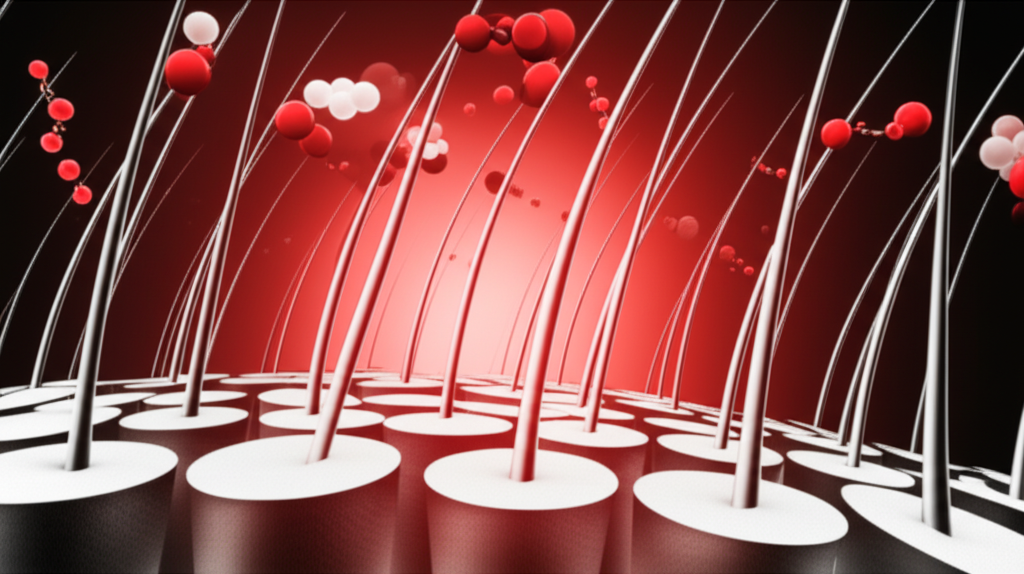
Understanding the biology of hair loss is prerequisite to understanding why peptides are of interest. The majority of non-scarring hair loss involves some combination of: premature follicular cycling (early telogen transition), follicle miniaturization, impaired vascular supply to the papilla, chronic low-grade inflammation in the follicular unit, and stem cell exhaustion or signaling failure. Effective research targets should address one or more of these pathological mechanisms.
GHK-Cu: Copper Peptide for Follicular Regeneration
GHK-Cu (glycyl-L-histidyl-L-lysine-copper) is arguably the most extensively studied peptide in hair biology research. This naturally occurring copper-chelated tripeptide engages follicular regeneration through several simultaneous mechanisms that make it uniquely interesting to hair researchers.
Key mechanisms in hair biology:
- Wnt/beta-catenin pathway activation in dermal papilla cells, driving anagen phase entry
- Stimulation of dermal papilla cell proliferation
- Pro-angiogenic activity via VEGF upregulation, restoring follicular blood supply
- Extracellular matrix remodeling through collagen and glycosaminoglycan synthesis
- Antioxidant activity via superoxide dismutase induction, protecting the follicular microenvironment
Research has documented follicular enlargement of up to 50% in certain laboratory models, alongside measurable increases in hair shaft diameter.
Spartan Peptides’ research-grade GHK-Cu is available for laboratory investigation of these follicular mechanisms.
Thymosin Beta-4 (TB-500): Tissue Remodeling and Follicular Vascularity
Thymosin Beta-4 (the active component of the research compound TB-500) is a 43-amino acid peptide with broad tissue repair and anti-inflammatory properties. While primarily studied in the context of muscle, tendon, and cardiac repair, its mechanisms have notable relevance to hair follicle biology.
TB-500’s mechanism centers on actin sequestration — it binds to G-actin monomers, modulating cytoskeletal dynamics in a way that facilitates cell migration and tissue remodeling. In the follicular context, this is relevant to the migration of epithelial and mesenchymal cells during the anagen-catagen-telogen cycling process.
Hair-relevant mechanisms of TB-500:
- Angiogenesis promotion: TB-500 is a potent stimulator of new blood vessel formation, potentially enhancing the vascular supply to hair follicles during the metabolically demanding anagen phase.
- Anti-inflammatory activity: Chronic peri-follicular inflammation is increasingly recognized as a driver of progressive miniaturization and follicular fibrosis. TB-500’s anti-inflammatory properties may help preserve the follicular microenvironment.
- Keratinocyte migration: Research has documented TB-500’s ability to stimulate keratinocyte migration, relevant to follicular epithelial cell dynamics during cycling.
- Stem cell activation: Some research suggests TB-500 can promote stem cell activation and tissue progenitor cell proliferation, potentially relevant to follicular stem cell populations in the bulge region.
The Wolverine Protocol combining BPC-157 and TB-500 provides additional context on the complementary tissue repair mechanisms of these two peptides. Our dedicated Thymosin Alpha-1 vs Beta-4 comparison also offers useful context on thymosin peptide biology.
BPC-157: Vascular Remodeling and Scalp Perfusion
Body Protection Compound-157 (BPC-157) is a 15-amino acid synthetic peptide derived from a protective gastric protein. Its extensive research profile centers on tissue healing, but its vasculogenic and anti-inflammatory properties have attracted interest from researchers studying scalp biology.
Impaired scalp microcirculation is increasingly recognized as a component of progressive hair thinning. The hair follicle’s papilla derives its nutrient supply from a specialized capillary network, and age-related microvascular changes can compromise the energetic demands of active follicles. BPC-157’s potent pro-angiogenic activity — documented across multiple tissue types in the research literature — makes it a candidate for investigation in scalp vascular biology.
Relevant BPC-157 mechanisms for hair research:
- VEGFR2 pathway stimulation, promoting new capillary formation
- Nitric oxide (NO) system modulation, affecting local vasodilation
- Anti-inflammatory activity relevant to peri-follicular microenvironment
- Fibroblast activation and extracellular matrix support
For comprehensive coverage of BPC-157 research, researchers should review the BPC-157 complete research guide and the dedicated article on BPC-157 and tissue repair research.
Zinc Thymulin: Thymic Peptide and Follicular Cycling
Zinc thymulin (facteur thymique sérique, or FTS) represents a distinct class of peptidergic intervention in hair research. This nonapeptide, produced by thymic epithelial cells and requiring zinc for biological activity, has shown interesting effects on hair follicle biology in research models.
The mechanistic link between thymic peptides and hair follicle biology relates to the immune microenvironment of the follicle. The hair follicle has a complex relationship with the immune system — the bulb region during anagen maintains a relative “immune privilege” state that prevents autoimmune targeting of follicular antigens. Disruption of this immune privilege is implicated in several forms of hair loss including alopecia areata.
Research on zinc thymulin has documented promotion of anagen-phase entry and increased hair follicle density in animal studies, with zinc thymulin’s effects hypothesized to involve modulation of the follicular immune microenvironment. The requirement for zinc as a cofactor also highlights the fundamental importance of micronutrient status in follicular biology.
Research Design Considerations for Follicular Peptide Studies
Researchers designing studies on peptides and hair follicle biology must navigate several methodological considerations:
Model Systems
Each research model has distinct advantages. In vitro cell culture (dermal papilla cells, outer root sheath keratinocytes, fibroblasts) allows precise mechanistic investigation but lacks the complex multicellular architecture of the intact follicle. Ex vivo organ culture systems preserve follicular architecture but are technically demanding and time-limited. Murine in vivo models offer the full systemic context but have known differences from human hair cycling biology.
Endpoint Selection
Relevant research endpoints include: follicle cycling stage (anagen/catagen/telogen ratio), follicular diameter and hair shaft caliber, dermal papilla cell proliferation rates, gene expression (Wnt pathway components, growth factors, cytokines), vascular density in perifollicular tissue, and collagen/ECM composition in follicular dermis.
Peptide Handling
Proper reconstitution and storage are essential for research validity. Researchers should consult our peptide reconstitution guide and ensure all research compounds meet appropriate purity standards. Sourcing from reputable suppliers with analytical documentation is essential — our peptide safety 101 guide covers sourcing considerations.
Frequently Asked Questions: Peptides and Hair Loss Research
Q: Which peptides are most studied for hair follicle regeneration?
GHK-Cu, Thymosin Beta-4 (TB-500), BPC-157, and zinc thymulin are the most extensively researched. Each works through distinct mechanisms involving Wnt signaling, angiogenesis, immune modulation, and ECM remodeling.
Q: How does GHK-Cu compare to TB-500 for hair research?
They’re complementary: GHK-Cu primarily acts on Wnt/beta-catenin signaling and follicular ECM remodeling; TB-500 acts through actin sequestration, anti-inflammatory mechanisms, and angiogenesis — addressing different aspects of follicular biology.
Q: What role does scalp vascularity play in hair loss?
Hair follicles during anagen are metabolically demanding structures requiring robust vascular supply. Microvascular changes in aging scalp can compromise nutrient delivery, contributing to miniaturization. Pro-angiogenic peptides address this component.
Q: Is peri-follicular inflammation relevant to hair loss research?
Yes — chronic low-grade peri-follicular inflammation contributes to follicular cycling disruption and progressive fibrosis. Anti-inflammatory peptides including BPC-157 and TB-500 are studied for their effects on this mechanism.
Q: What research models are used to study peptides and hair follicles?
In vitro cell culture (dermal papilla cells, keratinocytes), ex vivo hair follicle organ culture, murine in vivo models, and human scalp biopsy studies in clinical research contexts.
Research Disclaimer: This article is for educational and research purposes only. Spartan Peptides products are intended for laboratory research use only and are not for human consumption. Always consult qualified professionals before making any decisions related to peptide research.
⚠️ Research Use Only — Not for Human Consumption
The peptides discussed in this article are intended for laboratory and research purposes only. They are not intended for human consumption. All information presented is based on published preclinical research and is provided for educational purposes only.
Written by the Spartan Research Team
The Spartan Peptides Research Team consists of scientists, biochemists, and health researchers dedicated to providing accurate, evidence-based information about peptide research. Our content is reviewed for scientific accuracy and updated regularly to reflect the latest findings in peptide science.