
Best Peptides for Injury Recovery in 2026: BPC-157, TB-500 & Wolverine Protocol Research

Written bySpartan Research Team
Tissue injury — whether involving tendons, ligaments, muscles, or bone — triggers a complex cascade of inflammatory and regenerative processes. For decades, researchers have sought compounds that can modulate these pathways to accelerate repair in preclinical models. Among the most promising candidates studied in laboratory settings are BPC-157 (Body Protection Compound-157) and TB-500 (a synthetic fragment of Thymosin Beta-4). Together, these peptides form the basis of what researchers informally call the “Wolverine Protocol” — a combination that has generated significant interest in tissue repair science.
This article reviews the current state of research into the best peptides for injury recovery, examining preclinical evidence, proposed mechanisms of action, and the scientific rationale behind combining these compounds in laboratory investigations. All information presented here pertains to in vitro and in vivo research models — not human clinical recommendations.
BPC-157 Research: The Gastric Pentadecapeptide and Tissue Repair
BPC-157 is a stable pentadecapeptide derived from a protective protein found in human gastric juice. Since the early work of Sikiric and colleagues in the 1990s, BPC-157 injury research has expanded considerably, with studies examining its effects across numerous tissue types in animal models.
- Angiogenesis promotion: BPC-157 has been shown to stimulate new blood vessel formation in research models, increasing vascular endothelial growth factor (VEGF) expression. Enhanced blood supply to injured tissue is a critical component of repair (PMID: 21030672).
- Growth factor modulation: Studies indicate BPC-157 may upregulate growth hormone receptor expression in injured tissues, enhance EGF-related signaling, and interact with the FAK-paxillin pathway involved in cell migration and wound closure (PMID: 29998800).
- Nitric oxide (NO) system interaction: The peptide appears to modulate the NO system, which plays a central role in vasodilation, inflammation regulation, and tissue remodeling. Research suggests BPC-157 can counteract both NO-synthase inhibitor and NO-releasing agent-induced disturbances (PMID: 25415597).
- Anti-inflammatory activity: In various models, BPC-157 has demonstrated the ability to reduce inflammatory markers and counteract oxidative stress at injury sites.
Key Tendon and Ligament Studies
Some of the most compelling BPC-157 injury research involves tendon repair models. Sikiric et al. demonstrated that BPC-157 administration in rat Achilles tendon transection models resulted in significantly improved biomechanical properties and histological outcomes compared to controls (PMID: 20225319). Additional studies showed enhanced collagen fiber organization and accelerated functional recovery in medial collateral ligament injury models. Our detailed review of BPC-157 joint and tendon repair research explores these findings further.
Muscle Injury Models
In crush injury and laceration models, research subjects administered BPC-157 showed accelerated muscle fiber regeneration, reduced fibrosis, and earlier return of functional capacity. The peptide appears to promote satellite cell activation — the resident stem cells responsible for muscle repair — while reducing excessive scar tissue formation.
TB-500 (Thymosin Beta-4) Research: Cell Migration and Tissue Healing
TB-500 is a synthetic peptide representing the active region of Thymosin Beta-4 (Tβ4), a naturally occurring 43-amino-acid protein present in virtually all mammalian cells. As a TB-500 healing peptide, it has been extensively studied for its role in wound healing and tissue repair. For comprehensive details, consult our TB-500 complete research guide.
Actin Regulation and Cell Migration
Thymosin Beta-4’s primary intracellular function is sequestering monomeric actin (G-actin), regulating cytoskeletal dynamics essential for cell motility. In tissue repair contexts, this translates to enhanced migration of keratinocytes, endothelial cells, and progenitor cells to injury sites — a critical early step in the healing cascade (PMID: 20337553).
Anti-Inflammatory and Anti-Fibrotic Properties
Research in animal models has demonstrated that TB-500 administration reduces pro-inflammatory cytokines at injury sites while promoting a shift from inflammatory to reparative macrophage phenotypes. In cardiac injury models, Thymosin Beta-4 reduced scar formation and improved functional outcomes — findings that have implications across tissue types (PMID: 22248674).
Stem Cell and Progenitor Activation
TB-500 research has revealed the peptide’s ability to activate resident progenitor cell populations. In dermal wound models, Thymosin Beta-4 promoted hair follicle stem cell migration and differentiation, accelerating wound closure. Similar progenitor activation has been observed in musculoskeletal tissue models.

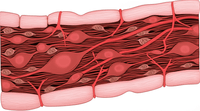
The Wolverine Protocol: Combined BPC-157 + TB-500 Research
The informal name “Wolverine Protocol” refers to the research practice of combining BPC-157 and TB-500 to investigate potential synergistic tissue repair effects. The rationale is grounded in the complementary mechanisms these peptides appear to employ. Researchers interested in this combination can explore the Wolverine (BPC-157 + TB-500) research compound, and our detailed article on the science behind the Wolverine peptide provides additional context.
Potential Synergistic Mechanisms
The theoretical basis for the wolverine protocol peptide stack involves complementary pathway activation:
- Dual angiogenic stimulation: Both BPC-157 and TB-500 promote new blood vessel formation through distinct mechanisms — BPC-157 via VEGF upregulation and NO modulation, TB-500 via direct endothelial cell migration and differentiation.
- Multi-level inflammation management: BPC-157 modulates NO-mediated inflammatory pathways while TB-500 shifts macrophage polarization — potentially creating a more favorable overall inflammatory environment in research models.
- Complementary matrix remodeling: BPC-157 promotes organized collagen deposition while TB-500 reduces excessive fibrosis, potentially yielding stronger, more functional tissue repair.
- Broader stem cell activation: The two peptides appear to recruit and activate different progenitor cell populations, potentially expanding the regenerative cell pool at injury sites.
For further reading on combining research peptides,ref=”https://spartanpeptides.com/blog/peptide-stacking-guide-best-combinations-research/”>peptide stacking guide.
Body-Part Specific Research Findings
Joint and Tendon Models (Knee, Shoulder, Achilles)
Research into peptides for tendon repair research has produced some of the most robust preclinical data in the field. In Achilles tendon transection models, BPC-157-treated subjects demonstrated superior tensile strength measurements and more organized collagen architecture at 14 and 28 days post-injury compared to saline controls.
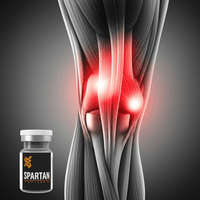
Rotator cuff models have similarly shown promise. In rat supraspinatus tendon detachment and repair models, peptide-treated groups exhibited enhanced enthesis (tendon-to-bone junction) healing with improved collagen fiber continuity. Knee-specific models examining anterior cruciate ligament and patellar tendon injuries have corroborated these findings, with treated subjects showing improved biomechanical outcomes.
Muscle Tear Recovery Models
Skeletal muscle injury research — using crush, laceration, and toxin-induced damage models — has demonstrated that both BPC-157 and TB-500 accelerate the regenerative timeline. BPC-157 appears to enhance early inflammatory resolution and satellite cell activation, while TB-500 promotes myoblast migration and differentiation. In gastrocnemius crush injury models, combined administration resulted in earlier restoration of contractile function compared to either peptide alone.
Bone Healing Research
While tendon and muscle research dominates the literature, emerging studies have examined peptide effects on bone healing. BPC-157 has shown the ability to accelerate fracture repair in animal models, potentially through its angiogenic properties — since bone healing is heavily dependent on vascular ingrowth. Thymosin Beta-4 research has demonstrated effects on osteoblast differentiation and activity, suggesting a role in the mineralization phase of bone repair.
Gut Tissue Repair (BPC-157 Specific)
Given its gastric origin, BPC-157 has been extensively studied in gastrointestinal injury models. Research demonstrates protective and healing effects in models of inflammatory bowel disease, NSAID-induced gastric lesions, esophageal damage, and intestinal anastomosis healing (PMID: 27913794). The peptide’s cytoprotective properties in the gut appear related to its modulation of the dopamine and serotonin systems, as well as prostaglandin and NO pathways. Our review of gut health peptides including BPC-157 and KPV provides expanded coverage of this research area.

Other Recovery Peptides to Consider in Research
GHK-Cu (Copper Peptide)
GHK-Cu is a naturally occurring tripeptide-copper complex that declines with age. Research has shown it promotes collagen and glycosaminoglycan synthesis, attracts immune cells and endothelial cells to injury sites, and possesses antioxidant properties. In skin wound models, GHK-Cu accelerated wound contraction and re-epithelialization. Its mechanisms are complementary to BPC-157 and TB-500, making it an area of active investigation in multi-peptide tissue repair research.
DSIP (Delta Sleep-Inducing Peptide)
Recovery from tissue injury is intimately connected to sleep quality, as growth hormone release during deep sleep drives much of the body’s repair activity. DSIP research has explored the peptide’s ability to normalize sleep architecture in stressed animal models, enhance delta-wave sleep, and modulate corticotropin levels. While not directly a tissue repair peptide, DSIP’s potential role in optimizing the physiological conditions required for recovery makes it relevant to comprehensive recovery research protocols.
Recovery Peptide Research Protocol Considerations
Researchers investigating tissue repair peptides should consider several methodological factors when designing preclinical studies:
- Timing relative to injury: Most published research initiates peptide administration within 24 hours of injury induction. The inflammatory phase timing may significantly influence outcomes.
- Duration of administration: Published tendon and ligament studies typically span 14–28 day observation periods, while muscle injury studies often show measurable differences at 7–14 days.
- Route of administration: Studies have used both systemic (intraperitoneal) and local (perilesional) administration. Local application tends to produce more pronounced local effects, while systemic administration addresses broader inflammatory modulation.
- Combination protocols: When studying the Wolverine protocol, researchers must consider potential peptide interactions, optimal ratios, and whether simultaneous or staggered administration yields different outcomes.
- Outcome measures: Comprehensive assessment should include biomechanical testing (tensile strength, load-to-failure), histological analysis (collagen organization, cellular infiltration), and functional measures where applicable.
- Peptide sourcing and purity: Research-grade peptides with verified purity (≥98%) and proper characterization through HPLC and mass spectrometry are essential for reproducible results.
Frequently Asked Questions
What are the most studied peptides for injury recovery research?
BPC-157 and TB-500 (Thymosin Beta-4) are the most extensively studied peptides in preclinical tissue repair research. BPC-157 has been investigated across tendon, ligament, muscle, bone, and gastrointestinal injury models, while TB-500 research focuses on wound healing, cardiac repair, and musculoskeletal recovery. GHK-Cu is another peptide with significant wound healing research behind it.
What is the Wolverine Protocol in peptide research?
The Wolverine Protocol refers to the combined investigation of BPC-157 and TB-500 in preclinical research settings. The rationale is based on their complementary mechanisms — BPC-157’s angiogenic and growth factor modulation properties paired with TB-500’s cell migration and anti-fibrotic effects — which may produce synergistic tissue repair outcomes in research models.
How does BPC-157 support tissue repair in research models?
In preclinical studies, BPC-157 promotes angiogenesis (new blood vessel formation), modulates growth factor expression, interacts with the nitric oxide system to regulate inflammation, and enhances collagen organization at injury sites. These mechanisms have been observed across tendon, muscle, bone, and gastrointestinal tissue models in animal research.
What makes TB-500 different from BPC-157 in tissue research?
While both peptides promote tissue repair, they operate through distinct mechanisms. TB-500 primarily functions through actin regulation, enhancing cell migration and cytoskeletal dynamics. It also shifts macrophage polarization toward anti-inflammatory phenotypes and activates resident stem cell populations. BPC-157, by contrast, is more closely associated with angiogenesis, growth factor modulation, and nitric oxide pathway interactions.
Are there studies on peptides for tendon repair specifically?
Yes, tendon repair is one of the most well-documented areas of BPC-157 research. Studies by Sikiric and colleagues demonstrated improved biomechanical strength and collagen organization in Achilles tendon transection models. Additional research has examined patellar tendon, rotator cuff, and medial collateral ligament models with positive preclinical outcomes.
What other peptides are researched alongside BPC-157 and TB-500 for recovery?
GHK-Cu (a copper tripeptide) is studied for its collagen synthesis promotion and wound healing properties. DSIP (Delta Sleep-Inducing Peptide) is researched for its potential to optimize sleep architecture, which is closely linked to physiological recovery processes. These peptides address complementary aspects of tissue repair and recovery biology.
Where can I find research-grade recovery peptides?
Spartan Peptides supplies research-grade BPC-157, TB-500, and the combined Wolverine (BPC-157 + TB-500) formulation, all with verified purity for laboratory research applications.
References
- Sikiric P, et al. “Pentadecapeptide BPC 157 enhances the growth hormone receptor expression in tendon fibroblasts.” Growth Hormone & IGF Research. 2010. PMID: 20225319
- Seiwerth S, et al. “BPC 157’s effect on healing.” Journal of Physiology-Paris. 1999. PMID: 21030672
- Sikiric P, et al. “Brain-gut axis and pentadecapeptide BPC 157: Theoretical and practical implications.” Current Neuropharmacology. 2016. PMID: 27913794
- Sikiric P, et al. “Stable gastric pentadecapeptide BPC 157 in trials for inflammatory bowel disease.” Inflammatory Bowel Diseases. 2014. PMID: 25415597
- Sikiric P, et al. “Pentadecapeptide BPC 157 interactions with the NO system.” Current Pharmaceutical Design. 2018. PMID: 29998800
- Crockford D. “Thymosin beta-4: structure, function, and biological properties supporting current and future clinical applications.” Annals of the New York Academy of Sciences. 2012. PMID: 22248674
- Goldstein AL, et al. “Thymosin β4: actin-sequestering protein moonlights to repair injured tissues.” Trends in Molecular Medicine. 2005. PMID: 20337553
Written by the Spartan Research Team
The Spartan Peptides Research Team consists of scientists, biochemists, and health researchers dedicated to providing accurate, evidence-based information about peptide research. Our content is reviewed for scientific accuracy and updated regularly to reflect the latest findings in peptide science.