
BPC-157: The Complete Research Guide to Tissue Repair, Gut Health, and Recovery Science

Written bySpartan Research Team
What Is BPC-157?
BPC-157 (Body Protection Compound-157) is a synthetic pentadecapeptide — a 15-amino-acid sequence — derived from a protective protein found naturally in human gastric juice. First isolated and characterized by researchers at the University of Zagreb, BPC-157 has become one of the most widely studied peptides in preclinical regenerative medicine.
Its amino acid sequence is: Gly-Glu-Pro-Pro-Pro-Gly-Lys-Pro-Ala-Asp-Asp-Ala-Gly-Leu-Val. Unlike many bioactive peptides, BPC-157 is remarkably stable in gastric juice — a unique property that has fueled research into both systemic and oral administration routes.
What makes BPC-157 unusual in the peptide research landscape is the sheer breadth of biological systems it appears to influence. Most peptides have narrow, receptor-specific mechanisms. BPC-157 keeps appearing across seemingly unrelated research domains — from tendon healing to gut protection to neurological function — suggesting a set of foundational biological mechanisms with wide downstream effects.
Mechanism of Action: How BPC-157 Works
BPC-157’s mechanisms are multifactorial, which is part of what makes it both fascinating and complex to study. Current research points to several interconnected pathways that work in concert to accelerate tissue repair and modulate inflammation:
1. Angiogenesis: Building New Blood Supply
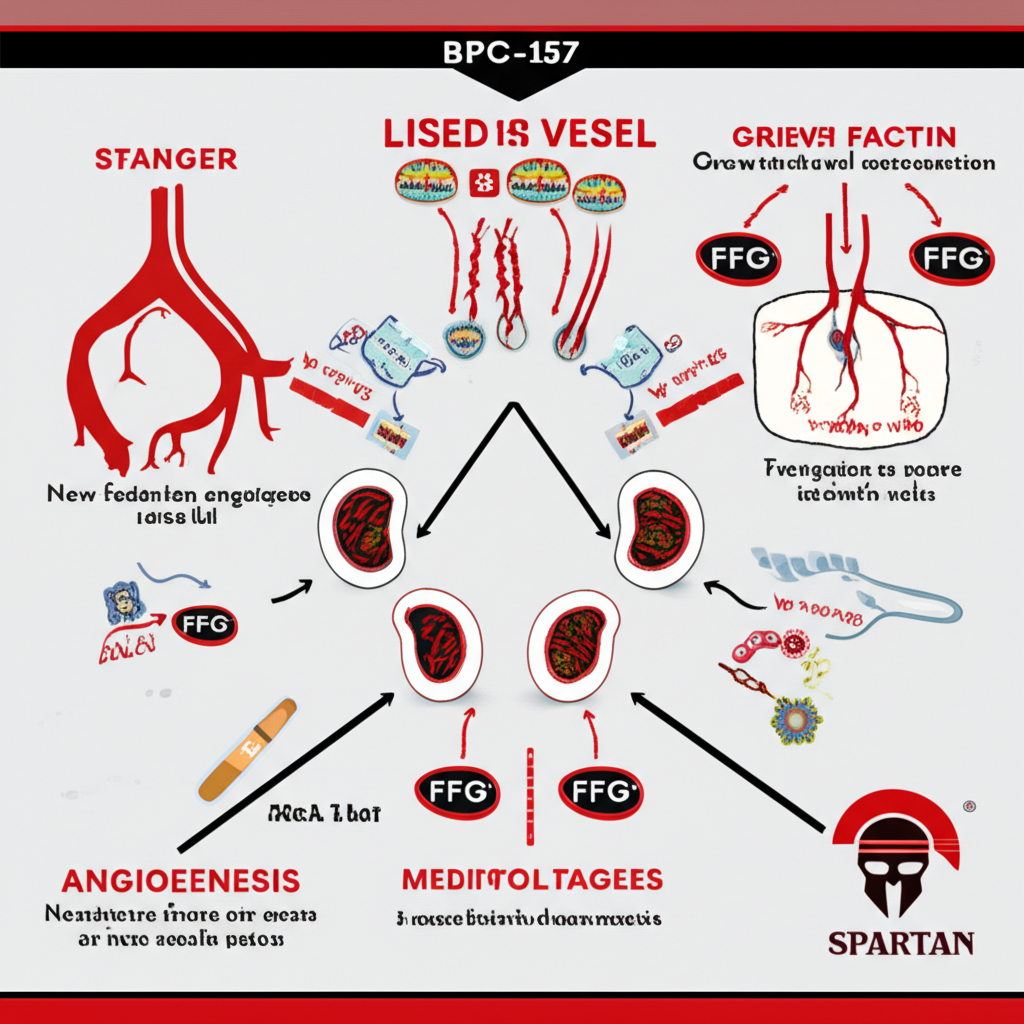
One of BPC-157’s most well-documented actions is its ability to stimulate angiogenesis — the formation of new blood vessels. This is not a minor effect; it is central to understanding why BPC-157 accelerates healing across so many different tissue types. Healing tissue needs blood supply. New vessels deliver oxygen, nutrients, and immune cells while removing metabolic waste. Without adequate vascularization, even structurally intact tissue heals poorly and slowly.
The primary angiogenic mechanism involves upregulation of VEGF (Vascular Endothelial Growth Factor), the master regulator of new vessel formation. BPC-157 has been shown in multiple models to increase VEGF expression at injury sites, driving endothelial cell proliferation and tube formation. Studies using the chorioallantoic membrane (CAM) assay — the gold standard model for studying angiogenesis — have documented significant pro-angiogenic activity.
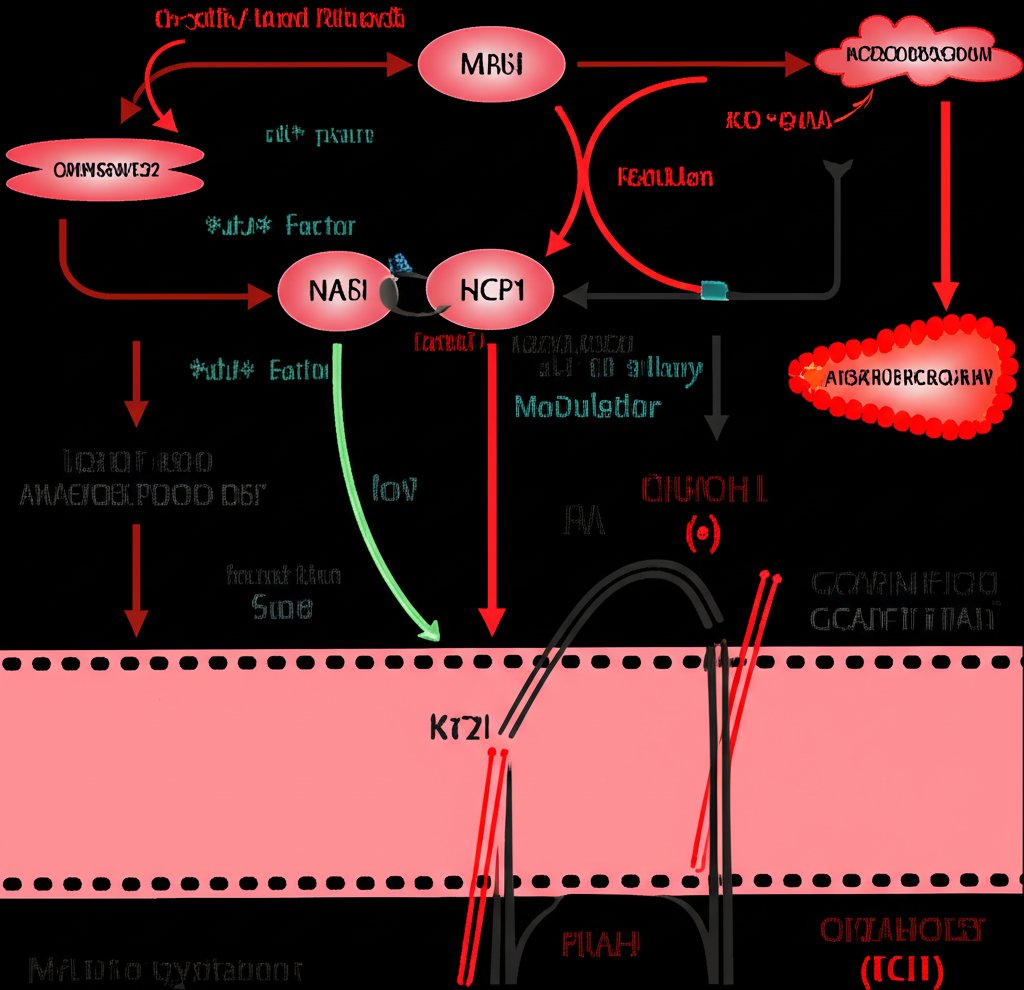
Beyond VEGF, BPC-157 also appears to modulate the EGR-1 (Early Growth Response Protein-1) transcription factor, which regulates the expression of VEGF and other angiogenic genes. This upstream regulatory effect may explain why BPC-157’s angiogenic response is self-limiting and context-sensitive rather than constitutively active — a potentially important safety consideration compared to direct VEGF administration.
The practical outcome: injured tissue treated with BPC-157 in animal models shows markedly increased vascularization at the repair site, which directly correlates with accelerated functional recovery and greater structural integrity of healed tissue.
2. Nitric Oxide (NO) System Modulation
BPC-157 demonstrates a unique relationship with the nitric oxide (NO) signaling system that distinguishes it from most compounds studied in tissue repair research. Rather than simply increasing or decreasing NO production, BPC-157 appears to act as a bidirectional modulator — capable of counteracting both NO-excess and NO-deficiency states depending on the physiological context.
The NO system plays a critical role in:
- Vasodilation and blood flow regulation (via endothelial NOS/eNOS)
- Inflammatory signaling (via inducible NOS/iNOS)
- Neuronal communication (via neuronal NOS/nNOS)
- Mitochondrial function and cellular energy production
Research by Sikiric et al. has demonstrated that BPC-157 can restore NO system homeostasis in models of both NO deficiency (L-NAME-induced hypertension models) and NO excess (NOS-overactivation toxicity models). This modulatory property — rather than a simple agonist or antagonist action — is consistent with BPC-157’s observed effects across seemingly contradictory physiological states and may help explain its consistently favorable safety profile in animal models.
The clinical implication for tissue repair: normalized NO signaling improves microvascular blood flow to injury sites, reduces oxidative damage from excessive NO radical production, and supports the regulated inflammation needed for proper healing without the tissue damage associated with chronic inflammatory states.
3. Growth Factor Upregulation
Research has demonstrated that BPC-157 upregulates several key growth factors involved in tissue repair, creating a broad pro-regenerative signaling environment:
- VEGF (Vascular Endothelial Growth Factor) — promotes new blood vessel formation, critical for tissue vascularization
- EGF (Epidermal Growth Factor) — supports epithelial and mucosal healing, particularly relevant in gut applications
- FGF (Fibroblast Growth Factor) — stimulates fibroblast proliferation and connective tissue regeneration, directly relevant to tendon and ligament repair
- NGF (Nerve Growth Factor) — supports peripheral nerve regeneration and protects neuronal populations under stress
- GH receptor upregulation — Chang et al. (2011) demonstrated that BPC-157 enhances growth hormone receptor expression in tendon fibroblasts, potentially amplifying the tissue-building effects of endogenous GH signaling
This broad growth factor activation profile helps explain why BPC-157 shows effects across such diverse tissue types — it doesn’t just stimulate one specific repair pathway but appears to broadly upregulate the regenerative signaling environment.
4. FAK-Paxillin Pathway Activation
BPC-157 has been shown to activate the FAK (Focal Adhesion Kinase)-Paxillin signaling pathway, which is critical for cell migration, adhesion, and spatial organization during wound healing. When tissue is damaged, repair cells must migrate from surrounding healthy tissue into the wound site, adhere to the extracellular matrix, and organize into functional tissue architecture. The FAK-paxillin pathway coordinates much of this cellular choreography.
Activation of this pathway by BPC-157 results in enhanced fibroblast migration toward injury sites — a finding consistent with the accelerated wound closure observed in multiple model systems. This mechanism is particularly relevant for tendon and ligament repair, where fibroblast migration and organized collagen deposition are the rate-limiting steps in structural recovery.
5. Anti-inflammatory Mechanisms
Multiple studies document BPC-157’s ability to reduce key pro-inflammatory cytokines including TNF-α, IL-6, and IL-1β. Rather than broadly suppressing inflammation (as corticosteroids do), BPC-157 appears to modulate the inflammatory response — reducing the excessive, tissue-damaging phase of inflammation while preserving the initial pro-healing inflammatory signals needed for proper repair.
This nuanced anti-inflammatory action may explain a clinically important observation in animal studies: unlike NSAIDs or corticosteroids, BPC-157 does not appear to impair healing while reducing inflammation. In fact, it simultaneously reduces inflammatory markers AND accelerates structural tissue repair — a combination that conventional anti-inflammatories cannot achieve.
Research Applications: What the Studies Show
Soft Tissue and Musculoskeletal Repair
This is the most extensively studied application of BPC-157. The published research includes:
- Tendon healing — Multiple studies show accelerated recovery from Achilles tendon transection in rat models, with improved biomechanical strength and better collagen fiber organization (Staresinic et al., 2003; Chang et al., 2011)
- Ligament repair — Medial collateral ligament injuries showed faster healing and improved tensile strength (Cerovecki et al., 2010)
- Muscle healing — Crushed muscle tissue showed accelerated functional recovery, with BPC-157-treated subjects regaining strength faster than controls (Novinscak et al., 2008)
- Bone fracture healing — Enhanced osteogenic activity and faster callus formation in segmental bone defect models (Sebecic et al., 1999)
Gastrointestinal Protection and Healing
Given BPC-157’s origin in gastric juice, gut-related research is particularly relevant — and the data here is among the strongest in the BPC-157 literature. The gastrointestinal tract is where this peptide was first identified, and it may represent the physiological context in which BPC-157 evolved its protective functions:
- NSAID-induced damage — BPC-157 showed protective effects against gastric lesions caused by aspirin, ibuprofen, and other NSAIDs in multiple studies
- Inflammatory bowel conditions — Reduced mucosal damage and inflammation in experimental colitis models
- Esophageal damage — Protective effects against acid-reflux-induced esophageal lesions
- Intestinal anastomosis — Improved healing of surgical gut connections, with better wound strength and reduced adhesion formation
- Short bowel syndrome — Showed adaptive benefits in experimental short bowel models
The gut-healing research is explored in depth in our article on Gut Health Peptides: BPC-157 and KPV.
Angiogenesis
As discussed in the mechanism section above, BPC-157’s pro-angiogenic activity is one of its most consistent and well-documented effects. Studies using the chicken chorioallantoic membrane (CAM) assay show robust angiogenic activity. In wound healing models, BPC-157-treated injuries show significantly greater vascularization compared to untreated controls — and this increased blood supply to injured areas is believed to be a primary driver of BPC-157’s broad healing effects.
The angiogenesis connection also explains why BPC-157 appears to be particularly effective in tissues with inherently poor blood supply — such as tendons and ligaments — where inadequate vascularity is a major reason these structures heal slowly and incompletely under normal conditions.
Neuroprotective Effects
An emerging area of BPC-157 research involves its effects on the nervous system:
- Dopaminergic system — Showed protective effects against dopamine system disruptions in animal models, counteracting damage from both dopamine agonists and antagonists
- Serotonergic system — Modulated serotonin-related behaviors and showed antidepressant-like effects in standard behavioral models
- Peripheral nerve repair — Accelerated nerve regeneration following transection injuries, with improved functional recovery (Gjurasin et al., 2010)
- Traumatic brain injury — Early research suggests potential protective effects in TBI models
The neuroprotective effects are discussed further in our overview article: Healing from Within with BPC-157.
Organ Protection
Beyond gut and musculoskeletal tissues, BPC-157 has shown protective effects in studies involving:
- Liver damage (from alcohol, NSAIDs, and hepatotoxins)
- Heart damage (arrhythmias and heart failure models)
- Kidney injury (acute and chronic models)
Across these diverse organ systems, the common thread appears to be BPC-157’s ability to preserve vascular integrity, modulate inflammation, and activate local repair mechanisms — the same core mechanisms active in musculoskeletal and gut healing.
Dosing Protocols in Published Research
The majority of animal studies use BPC-157 in the following dose ranges:
- Standard research dose: 10 μg/kg body weight (most common in rat studies)
- Dose range: 1–50 μg/kg across various published protocols
- Administration routes studied: Intraperitoneal (IP) injection, subcutaneous, intragastric (oral), and topical application
- Duration: Typically 7–28 days in healing studies
Notably, BPC-157 has shown biological activity across all administration routes studied, including oral — which is unusual for peptides and relates to its inherent stability in gastric conditions. This oral bioavailability, if confirmed in further studies, would distinguish BPC-157 from most research peptides that require injection for systemic activity.
The dose-response relationship in published studies generally shows activity across a wide range, with diminishing returns at the high end — further supporting the interpretation that BPC-157 acts through modulatory rather than saturatable receptor mechanisms.
Stability and Unique Properties
BPC-157 has several properties that distinguish it from most research peptides:
- Gastric stability — Does not degrade in stomach acid, unlike most peptides
- No carrier needed — Shows biological activity without requiring a carrier protein
- Multiple administration routes — Active via injection, oral, and topical application
- Broad tissue specificity — Affects muscle, tendon, ligament, gut, nerve, and organ tissues
- Context-sensitive modulation — Appears to normalize dysregulated systems rather than simply amplify or suppress specific signals
Safety Profile in Research
Across hundreds of published studies, BPC-157 has demonstrated a notably favorable preclinical safety profile:
- No reported organ toxicity at standard research doses
- No reported carcinogenic effects
- LD50 has not been determined because researchers have been unable to establish a lethal dose — even at doses far exceeding standard research protocols
- No reported interactions with other compounds in published studies
- No reported negative effects on healthy tissue — only effects in the context of injury or pathology
For a comprehensive analysis of BPC-157’s safety research, including animal study data and what the literature says about potential side effects,
Current Limitations
Transparency requires acknowledging what we don’t yet know:
- Limited human clinical data — The vast majority of BPC-157 research has been conducted in animal models (primarily rats). Published human clinical trials are extremely limited.
- Mechanism complexity — BPC-157’s multi-pathway activity makes it difficult to isolate specific mechanisms definitively. Its pleiotropic effects may reflect interaction with a fundamental regulatory system not yet fully characterized.
- Long-term effects unknown — Most studies run 4 weeks or less. Long-term safety and efficacy data in any species is sparse.
- Standardization challenges — Peptide purity and synthesis quality vary significantly between suppliers, which can affect research reproducibility.
- Translation uncertainty — Animal studies, particularly in rodent models, do not always translate to human biology. The dose-response relationship, tissue distribution, and metabolic fate may differ significantly in humans.
BPC-157 vs. TB-500: Comparing Two Research Peptides
BPC-157 is frequently studied alongside TB-500 (Thymosin Beta-4) — a combination sometimes called the “Wolverine Protocol” in research communities. Understanding how these two peptides differ mechanistically helps clarify why they’re often studied together and what each contributes to the healing cascade.
BPC-157: Local Repair Specialist
BPC-157 operates primarily through localized mechanisms. Its angiogenic activity, FAK-paxillin pathway activation, and direct growth factor upregulation create a pro-healing environment specifically at sites of injury. Animal studies using local application (injecting near the injury site) generally show stronger effects than systemic administration alone, consistent with a compound that works through local tissue signaling rather than exclusively through systemic blood-borne mechanisms.
BPC-157 is particularly strong in its anti-inflammatory actions and its ability to accelerate the structural repair phase of healing — the phase where new collagen is laid down, fibroblasts organize, and tissue architecture is restored.
TB-500: Systemic Cell Migration Promoter
TB-500 (Thymosin Beta-4) works through a fundamentally different mechanism: actin regulation and systemic cell migration. Thymosin Beta-4 binds to G-actin monomers, facilitating actin polymerization and enabling cell motility throughout the body. Its effects are more systemic than localized — it mobilizes repair cells (endothelial cells, stem cells, satellite cells) from distant depots and promotes their migration toward injury sites via the bloodstream.
TB-500 is also a potent anti-inflammatory and shows particular strength in reducing scar tissue formation — an area where BPC-157 data is less robust.
The Research Rationale for Combining Them
The complementarity between BPC-157 and TB-500 has been noted by researchers: BPC-157 prepares the local tissue environment (vascularization, growth factor upregulation, inflammation modulation) while TB-500 drives systemic mobilization of repair cells toward the injury site. The two mechanisms address different rate-limiting steps in the healing cascade, which is the theoretical basis for studying them together in the Wolverine Protocol.
| Feature | BPC-157 | TB-500 |
|---|---|---|
| Primary mechanism | Angiogenesis, FAK-paxillin, NO modulation | Actin polymerization, cell migration |
| Action scope | Local tissue repair | Systemic cell mobilization |
| Anti-inflammatory | Strong (cytokine modulation) | Moderate |
| Angiogenesis | Strong (VEGF pathway) | Moderate |
| Scar reduction | Limited data | Well-documented |
| Oral bioavailability | Demonstrated in studies | Injection preferred |
| Source protein | Human gastric juice | Thymus gland |
Key Published References
- Sikiric P. et al. (2018). “Brain-gut Axis and Pentadecapeptide BPC 157.” Current Neuropharmacology, 16(5), 612-641.
- Seiwerth S. et al. (2014). “BPC 157’s effect on healing.” Journal of Physiology and Pharmacology, 65(6), 753-761.
- Staresinic M. et al. (2003). “Gastric pentadecapeptide BPC 157 accelerates healing of transected rat Achilles tendon.” Journal of Orthopaedic Research, 21(6), 976-983.
- Chang CH. et al. (2011). “BPC 157 enhances the growth hormone receptor expression in tendon fibroblasts.” Molecules, 16(9), 7954-7963.
- Cerovecki T. et al. (2010). “Pentadecapeptide BPC 157 in healing of MCL injuries.” Journal of Orthopaedic Research, 28(8), 1155-1161.
- Novinscak T. et al. (2008). “Gastric pentadecapeptide BPC 157 as an effective therapy for muscle crush injury in the rat.” Surgery Today, 38(8), 716-725.
- Sebecic B. et al. (1999). “Osteogenic effect of a gastric pentadecapeptide, BPC-157, on the healing of segmental bone defect in rabbits.” Journal of Orthopaedic Research, 17(4), 480-484.
- Gjurasin M. et al. (2010). “Peptide therapy with pentadecapeptide BPC 157 in traumatic nerve injury.” Regulatory Peptides, 160(1-3), 33-41.
- Sikiric P. et al. (2016). “Stable gastric pentadecapeptide BPC 157: novel therapy in gastrointestinal tract.” Current Pharmaceutical Design, 22(3), 379-420.
- Tudor M. et al. (2010). “Bowel adhesion prevention by BPC 157.” Surgery Today, 40(6), 522-529.
Frequently Asked Questions
What is BPC-157 used for in research?
BPC-157 is studied for its effects on tissue repair, gut protection, angiogenesis, and neuroprotection. The most extensively researched applications include tendon and ligament healing, gastric mucosal protection, and peripheral nerve regeneration.
What is the difference between BPC-157 and TB-500?
BPC-157 is a 15-amino-acid peptide derived from gastric juice proteins that works primarily through local angiogenesis and inflammatory modulation. TB-500 (Thymosin Beta-4) is a naturally occurring peptide that promotes systemic cell migration through actin regulation.
How long do BPC-157 research protocols typically run?
In published healing studies, protocols typically run 7–28 days. Longer-term studies are limited, which represents a significant gap in the current research literature.
Can BPC-157 be taken orally?
Unlike most peptides, BPC-157 appears to retain biological activity when administered orally due to its stability in gastric acid. Multiple studies have documented effects with intragastric administration. Whether this translates meaningfully to practical oral dosing remains an active area of inquiry.
Conclusion
BPC-157 represents one of the most versatile and widely studied peptides in regenerative research. Its unique gastric stability, multi-pathway mechanisms — spanning angiogenesis, nitric oxide modulation, growth factor upregulation, and FAK-paxillin signaling — and favorable safety profile in preclinical studies have made it a cornerstone compound in tissue repair research.
The breadth of BPC-157’s effects, from musculoskeletal repair to gut protection to neuroprotection, reflects its action on fundamental biological systems that regulate healing and cellular maintenance across multiple tissue types. While the gap between animal data and human clinical evidence remains significant, the volume and consistency of published research — now spanning over 20 years and hundreds of peer-reviewed studies — continues to grow, making BPC-157 one of the most compelling peptides under active preclinical investigation.
For researchers interested in studying BPC-157’s tissue repair mechanisms, Spartan Peptides offers research-grade BPC-157 with third-party purity verification.
Research Disclaimer: This article is for research and educational purposes only. BPC-157 is sold exclusively as a research chemical and is not intended for human consumption, diagnosis, treatment, or prevention of any medical condition. All data referenced reflects preclinical animal studies unless otherwise specified. The statements made have not been evaluated by the FDA. Always consult qualified medical and research professionals before conducting any peptide research.
⚠️ Research Use Only — Not for Human Consumption
The peptides discussed in this article are intended for laboratory and research purposes only. They are not intended for human consumption. All information presented is based on published preclinical research and is provided for educational purposes only.
Written by the Spartan Research Team
The Spartan Peptides Research Team consists of scientists, biochemists, and health researchers dedicated to providing accurate, evidence-based information about peptide research. Our content is reviewed for scientific accuracy and updated regularly to reflect the latest findings in peptide science.