
NAD+ 750mg: Energizing Cells from Within — A Research-Focused Analysis

Written bySpartan Research Team

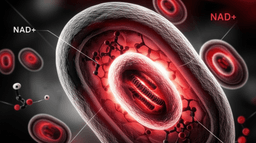
Nicotinamide adenine dinucleotide (NAD+) has emerged as one of the most actively investigated coenzymes in longevity science, metabolic research, and cellular biology. Found in every living cell, this critical molecule participates in over 500 enzymatic reactions — from generating ATP in the mitochondria to enabling the DNA repair machinery that keeps the genome stable. As NAD+ levels decline with age, researchers have turned their attention to whether restoring them can slow or partially reverse hallmarks of cellular aging.
Spartan Peptides offers NAD+ 750mg for qualified laboratory research applications — a high-purity formulation designed for investigators studying this pivotal coenzyme at the cellular and molecular level. This article explores the biochemistry, preclinical research landscape, and key experimental considerations for NAD+ 750mg as a research compound.
What Is NAD+?
Nicotinamide adenine dinucleotide, commonly abbreviated as NAD+, is a dinucleotide coenzyme consisting of two nucleotides joined through their phosphate groups — one containing adenine and the other containing nicotinamide. It exists in two interconvertible forms: NAD+ (the oxidized form) and NADH (the reduced form), and the ratio between these forms reflects the metabolic state of the cell.
First identified in 1906 from yeast extracts, NAD+ was initially recognized for its role in fermentation and cellular respiration. Over the following century, researchers mapped its central role in virtually every major metabolic pathway. NAD+’s precursor, niacin (vitamin B3), was later found to be the key to preventing pellagra — a fatal deficiency disease — cementing the molecule’s foundational importance in human health.
Today, NAD+ is understood to serve as a substrate for three major enzyme classes that regulate cellular health and longevity:
- Sirtuins (SIRT1–7): NAD+-dependent deacetylases that regulate gene expression, mitochondrial biogenesis, DNA repair, and stress response pathways. Sirtuin activity is directly rate-limited by NAD+ availability.
- PARPs (Poly ADP-Ribose Polymerases): Enzymes that consume NAD+ during the detection and repair of DNA strand breaks. Excessive PARP activation — triggered by chronic genotoxic stress — can rapidly deplete cellular NAD+ reserves.
- CD38/CD157 Ectoenzymes: Membrane-bound enzymes involved in calcium signaling, immune function, and NAD+ catabolism. CD38 expression increases with age and is considered a major driver of age-related NAD+ decline.
This multi-system demand explains why NAD+ homeostasis is so important — and why its decline has such broad consequences across multiple organ systems.
How NAD+ Supports Mitochondrial Health
Mitochondrial function is among the most extensively studied applications of NAD+ research. The connection is biochemically direct: NAD+ is an essential electron carrier in the tricarboxylic acid (TCA) cycle and the electron transport chain (ETC). Without adequate NAD+, the mitochondria cannot efficiently convert nutrients into ATP — the cell’s primary energy currency.
Within the ETC, NAD+ accepts electrons from metabolic intermediates to form NADH, which then donates those electrons at Complex I. This electron transfer drives the proton gradient across the inner mitochondrial membrane, powering ATP synthase. Impaired NAD+ availability disrupts this cascade at its foundation, leading to reduced ATP output, increased reactive oxygen species (ROS) production, and mitochondrial membrane potential collapse.
NAD+ also supports mitochondrial health indirectly through sirtuin signaling. SIRT1 and SIRT3 — the primary mitochondrial sirtuins — deacetylate key regulators of mitochondrial biogenesis, including PGC-1α (peroxisome proliferator-activated receptor gamma coactivator 1-alpha). When NAD+ levels are sufficient, PGC-1α activity promotes the formation of new, healthy mitochondria — a process called mitochondrial biogenesis. SIRT3 also deacetylates and activates enzymes in the TCA cycle and ETC, improving metabolic efficiency.
Additionally, NAD+-dependent sirtuin activity regulates mitophagy — the selective autophagy of damaged mitochondria — ensuring that dysfunctional organelles are cleared before they can accumulate ROS and trigger cell death. This NAD+–sirtuin–mitophagy axis represents one of the most promising research targets in cellular aging science.
The NAD+ Decline Problem and Aging
One of the most reproducible findings in aging biology is the progressive decline in cellular NAD+ concentrations over time. Human tissue studies have documented NAD+ reductions of 40–60% between young adulthood and middle age, with continued decline thereafter. This is not uniform across tissues — the brain, liver, and skeletal muscle tend to show the most pronounced age-dependent reductions.
Multiple mechanisms contribute to this decline:
- Increased CD38 activity: CD38 expression rises with aging, chronically degrading NAD+ faster than biosynthetic pathways can replenish it.
- Chronic PARP activation: Accumulating DNA damage with age leads to sustained PARP activation, consuming large quantities of NAD+ in repair attempts.
- Reduced biosynthesis: The salvage pathway — the primary route for NAD+ recycling from nicotinamide — becomes less efficient with age.
- Inflammatory signaling: Age-related inflammation (“inflammaging”) drives further NAD+ catabolism through immune cell activation.
Research in animal models has demonstrated that this decline is not simply a passive byproduct of aging, but an active contributor to age-related pathology. Studies showing that NAD+ restoration reverses mitochondrial dysfunction, reduces inflammation, and improves metabolic markers in aged animals have generated significant scientific interest in understanding whether similar effects translate to human biology.
Key Research Areas for NAD+ 750mg
Longevity and Anti-Aging Research
The most prominent research application for NAD+ 750mg is longevity science. Preclinical studies — particularly in murine models — have established a compelling body of evidence linking NAD+ restoration to improvements in multiple hallmarks of aging.
Landmark research published in Cell Metabolism demonstrated that NMN supplementation in aged mice restored NAD+ levels, improved energy metabolism, increased physical activity capacity, and enhanced insulin sensitivity to levels comparable with younger animals. Importantly, these benefits emerged within weeks of initiating supplementation, suggesting rapid cellular responsiveness to NAD+ restoration.
Additional animal studies have shown:
- Reduced markers of metabolic dysfunction including alcoholic and non-alcoholic steatohepatitis
- Reversal of glucose intolerance and mitochondrial dysfunction in middle-aged mice
- Hepatoprotective effects, including protection against hepatotoxicity and improved recovery capacity
- Reduced arterial stiffness and improved endothelial function, pointing to cardiovascular benefits
- Neuroprotective effects including improved cognition and neuroregeneration markers
Human clinical trials are still accumulating data, but early results confirm that NAD+ levels can be effectively elevated through supplementation and that this elevation correlates with improvements in several biomarkers of metabolic health in older adults.
Cognitive Function and Neuroprotection Research
The brain presents a unique research environment for NAD+ science: it is the most metabolically active organ in the body, consuming approximately 20% of total energy despite representing only 2% of body mass, and it is one of the organs most severely affected by age-related NAD+ decline.
Reduced NAD+ in neural tissue has been associated in preclinical models with impaired synaptic plasticity, disrupted neurotrophin signaling, compromised axonal integrity, and reduced clearance of protein aggregates — all features associated with neurodegenerative disease progression.
A 2023 study identified NAD+ deficiency in individuals with Parkinson’s disease, adding human context to previous animal studies showing NAD+ repletion can reduce oxidative stress-related neuronal death. Earlier case reports documented symptom improvement in Parkinson’s patients following NAD+ treatment, including reductions in resting tremors across multiple axes.
Research in Alzheimer’s disease models has shown NAD+ supplementation — particularly via NMN and NR precursors — can improve cognitive performance, reduce amyloid plaque burden, and enhance synaptic density in transgenic mouse models. Whether these findings translate to clinical benefit remains the subject of ongoing trials, making this a highly active research frontier.
Metabolic Health Research
NAD+ sits at the nexus of metabolic regulation. Its role as a cofactor in glycolysis, the TCA cycle, fatty acid oxidation, and amino acid catabolism means that NAD+ status directly influences the cell’s ability to process all three macronutrient classes.
Research has demonstrated that NAD+ supplementation can increase insulin sensitivity in animal models of metabolic syndrome, reduce ectopic lipid accumulation in the liver, and improve mitochondrial fat oxidation capacity. These effects appear to be mediated largely through SIRT1-dependent deacetylation of metabolic regulators including FOXO1, PGC-1α, and SREBP1c.
SIRT3 — a mitochondria-localized sirtuin — further contributes to metabolic regulation by activating acetyl-CoA synthetase and superoxide dismutase 2 (SOD2), improving both energy efficiency and antioxidant defense within the mitochondrial matrix.
For researchers investigating type 2 diabetes, obesity-related metabolic dysfunction, or mitochondrial metabolic disorders, NAD+ 750mg offers a well-characterized experimental tool to probe these pathways in cell culture and animal model systems.
Cardiovascular Research
Cardiovascular aging is characterized by endothelial dysfunction, arterial stiffness, reduced cardiac output, and impaired regenerative capacity. NAD+ research has intersected with each of these phenotypes in meaningful ways.
Preclinical data show that NAD+ repletion can reduce vascular NADPH oxidase activity and oxidative stress, protecting endothelial cells from damage. SIRT1 activation — downstream of NAD+ — promotes endothelial nitric oxide synthase (eNOS) function, supporting vasodilatory tone and vascular health.
In cardiac muscle specifically, NAD+ supplementation has been shown to improve mitochondrial respiration in cardiomyocytes from heart failure models, reduce proinflammatory cytokine expression, and improve peripheral blood mononuclear cell (PBMC) metabolic function — a systemic indicator of cardiovascular energetics.
Skin Aging and Dermatology Research
Skin aging represents one of the most visible manifestations of cellular aging processes, and NAD+ science has found application in dermatological research as well. UV radiation is among the most potent inducers of PARP activation in skin cells — a rapid NAD+ drain that can impair the cell’s ability to repair photodamage.
Research indicates that restoring NAD+ levels in UV-damaged skin cells enhances PARP-dependent repair of pyrimidine dimers and other photoadducts, potentially reducing the mutagenic burden associated with chronic sun exposure. NAD+-dependent regulation of SIRT1 in keratinocytes also influences cellular senescence pathways that drive photoaging phenotypes.
NAD+ 750mg: Research Formulation Considerations
Spartan Peptides’ NAD+ 750mg is formulated as high-purity lyophilized powder, optimized for laboratory applications. Key specifications for research use:
- Purity: ≥99% by HPLC, with certificate of analysis available for lot verification
- Form: Lyophilized powder — stable, easy to weigh, reconstitutes readily in aqueous buffers
- Storage: –20°C (–4°F) or lower in a sealed, light-protected container. Avoid repeated freeze-thaw cycles.
- Reconstitution: Dissolves in sterile water, PBS, or DMEM for cell culture applications
- Molecular weight: 663.43 g/mol (C₂₁H₂₇N₇O₁₄P₂)
The 750mg quantity provides researchers with sufficient material for extended dose-response experiments, multi-arm animal studies, or longitudinal cell culture work without requiring frequent reordering.
For related research directions, NAD+ pairs well with compounds targeting complementary pathways. Energizer Bunny research stack combining NAD+ with Semax and CJC-1295.
NAD+ vs. NMN vs. NR: Choosing the Right Research Compound
Researchers frequently need to decide between NAD+ and its biosynthetic precursors — nicotinamide mononucleotide (NMN) and nicotinamide riboside (NR) — when designing experimental protocols. Each has distinct characteristics:
| Parameter | NAD+ (Direct) | NMN | NR |
|---|---|---|---|
| Conversion required | None — active form | Yes (NMNAT enzymes) | Yes (NRK then NMNAT) |
| Cell culture control | Excellent (exact [NAD+]) | Variable (conversion efficiency) | Variable (two-step conversion) |
| Oral bioavailability | Limited (degraded in gut) | Moderate | Good |
| Best for in vitro use | ✓ Preferred | Acceptable | Acceptable |
| Mechanistic clarity | Highest | Moderate | Moderate |
| Molecular weight | 663.43 g/mol | 334.22 g/mol | 255.25 g/mol |
For in vitro and mechanistic studies, direct NAD+ remains the gold standard for controlling the experimental variable. NMN and NR are better suited for in vivo bioavailability research and oral supplementation studies.
Safety Profile and Drug Interaction Considerations
Within research settings, NAD+ has demonstrated a favorable safety profile at relevant concentrations. No significant cytotoxicity has been observed in cell culture studies at physiological dose ranges. Animal studies using NAD+ precursors at supraphysiological doses have not revealed major organ toxicity, though some studies note that excessive NAD+ cycling can affect circadian rhythm regulation and feedback inhibition of biosynthetic enzymes.
Researchers should be aware of potential interactions in experimental models:
- Antioxidant compounds: Quercetin and CoQ10 may synergize with NAD+ interventions through complementary mechanisms, potentially confounding results if used in combination without appropriate controls.
- Insulin sensitizers: NAD+ supplementation affects insulin signaling; researchers using insulin or related compounds should account for potential additive effects on glucose metabolism readouts.
- PARP inhibitors: Compounds that block PARP activity will alter NAD+ utilization patterns; careful experimental design is required when combining NAD+ with PARP inhibitor tools in DNA repair studies.
Ethical Guidelines and Lab Protocols for NAD+ Research
Responsible NAD+ research requires adherence to established scientific and institutional ethical frameworks:
- Validated quantification methods: Use enzymatic cycling assays or liquid chromatography-tandem mass spectrometry (LC-MS/MS) for precise NAD+ measurement in biological samples
- Sample handling: Process tissue and cell samples immediately upon collection, or snap-freeze in liquid nitrogen. Pre-analytical temperature and handling time significantly affect NAD+ measurements
- Controls and standards: Include appropriate internal standards for LC-MS/MS quantification; use certified reference materials where available
- Animal research compliance: Follow IACUC-approved protocols for all in vivo studies; adhere to institutional guidelines for animal care, anesthesia, and euthanasia
- Data transparency: Report all relevant experimental variables including compound purity, batch numbers, reconstitution conditions, and storage history
- Reproducibility: Use standard protocols that allow independent replication by other research groups
Ready to Advance Your NAD+ Research?
Spartan Peptides offers NAD+ 750mg with ≥99% purity, full certificate of analysis, and rigorous in-house quality testing. Whether you’re investigating mitochondrial bioenergetics, sirtuin-mediated gene regulation, or the intersection of NAD+ decline with aging phenotypes, this formulation provides the purity and quantity required for meaningful experimental work.
Explore related research at Spartan Peptides:
- Multi-compound NAD+ approaches: NAD+, Semax, and CJC-1295
- Energizer Bunny Peptide Stack Research Overview
- Peptide Therapies in Anti-Aging: Fact vs. Fiction
- Epitalon and Cellular Aging Research
Frequently Asked Questions
What is NAD+ 750mg and what makes it research-relevant?
NAD+ 750mg is a high-purity lyophilized formulation of nicotinamide adenine dinucleotide, the critical coenzyme involved in energy metabolism, DNA repair, and sirtuin signaling. The 750mg quantity provides sufficient material for multi-arm laboratory protocols investigating NAD+’s role in mitochondrial function, cellular aging, and metabolic regulation — making it highly practical for research institutions conducting extended studies.
Why does NAD+ decline with age, and why does that matter?
Age-related NAD+ decline is driven by increased CD38 ectoenzyme activity, chronic PARP activation from accumulating DNA damage, reduced efficiency of the NAD+ salvage pathway, and inflammaging-driven catabolism. This decline matters because it impairs mitochondrial ATP production, reduces sirtuin activity (affecting gene regulation and stress response), and compromises the cell’s DNA repair capacity — contributing to multiple hallmarks of biological aging.
How does NAD+ 750mg support sirtuin and PARP research?
Sirtuins (SIRT1–7) are NAD+-dependent deacetylases — their activity is directly limited by NAD+ availability. Similarly, PARP enzymes consume NAD+ as a substrate during DNA damage repair. By supplementing with research-grade NAD+ 750mg in cell culture or in vivo models, investigators can directly modulate the availability of this shared substrate and study the downstream effects on gene expression, DNA repair kinetics, mitochondrial biogenesis, and metabolic outputs.
What is the difference between NAD+ and its precursors NMN and NR?
NMN (nicotinamide mononucleotide) and NR (nicotinamide riboside) are biosynthetic precursors that cells convert to NAD+ through enzymatic reactions requiring NMNAT enzymes. Direct NAD+ bypasses these conversion steps, allowing precise control over intracellular NAD+ concentrations in experimental settings. For in vitro mechanistic studies, direct NAD+ is preferred because it eliminates confounding variables from variable conversion efficiency. NMN and NR are more appropriate for oral bioavailability and in vivo pharmacokinetic studies.
What lab protocols are recommended for NAD+ quantification?
The two gold-standard methods for NAD+ quantification are enzymatic cycling assays (using alcohol dehydrogenase or similar enzymes) and liquid chromatography-tandem mass spectrometry (LC-MS/MS). LC-MS/MS provides greater specificity and can simultaneously quantify NAD+, NADH, NMN, NR, and related metabolites in a single run. Samples should be processed immediately or snap-frozen to prevent NAD+ degradation. Include appropriate internal standards (e.g., isotope-labeled NAD+) for quantitative accuracy.
Can NAD+ 750mg be used alongside other research peptides?
Yes. NAD+ is frequently studied in combination with peptides targeting complementary metabolic pathways. Common research combinations include NAD+ with Semax (BDNF/neurotrophin signaling), CJC-1295 (growth hormone axis research), and MOTS-c (mitochondrial-derived peptide signaling). Spartan Peptides also offers a pre-formulated Energizer Bunny stack combining these compounds for research applications.
NAD+ 750mg is intended strictly for laboratory and research purposes. It is not approved for human use, therapeutic application, or consumption. All information in this article is based on published preclinical and early-stage clinical research and is provided for educational and scientific purposes only. Researchers should follow all applicable institutional and regulatory guidelines when working with this compound.
Written by the Spartan Research Team
The Spartan Peptides Research Team consists of scientists, biochemists, and health researchers dedicated to providing accurate, evidence-based information about peptide research. Our content is reviewed for scientific accuracy and updated regularly to reflect the latest findings in peptide science.