
GLP-3 Reta FDA Approval Timeline: When to Expect the Next-Gen Research Peptide

Written bySpartan Research Team
The GLP-3 Reta FDA approval timeline is one of the most-watched developments in metabolic science.
This powerful new peptide is generating major excitement for its potential to redefine research in weight management and metabolic health.
As it moves through the final stages of clinical testing, researchers and health enthusiasts are asking critical questions about its future.
This comprehensive guide will walk you through everything you need to know.
We’ll cover its current approval status, the detailed steps of the FDA process, and the projected timeline for when this next-generation compound might become available for prescription use.
In This Article
- Is GLP-3 Reta FDA Approved? The Current Status
- The Road to Approval: A Look at the FDA Process
- Promising Data: What the Research Shows
- The Final Hurdle: Phase 3 Trials and the Projected Timeline
- GLP-3 Reta vs. Other Peptides: A New Frontier
- Advancing Your Research with Spartan Peptides
Is GLP-3 Reta FDA Approved? The Current Status
To be clear, GLP-3 Reta is not yet FDA-approved as of late 2025. It is an investigational drug developed by the pharmaceutical giant Eli Lilly and Company.
This means it cannot be legally prescribed by doctors or sold in pharmacies as a treatment. The peptide is currently in Phase 3 clinical trials, the final and most demanding stage of testing required to demonstrate its safety and effectiveness for public use.
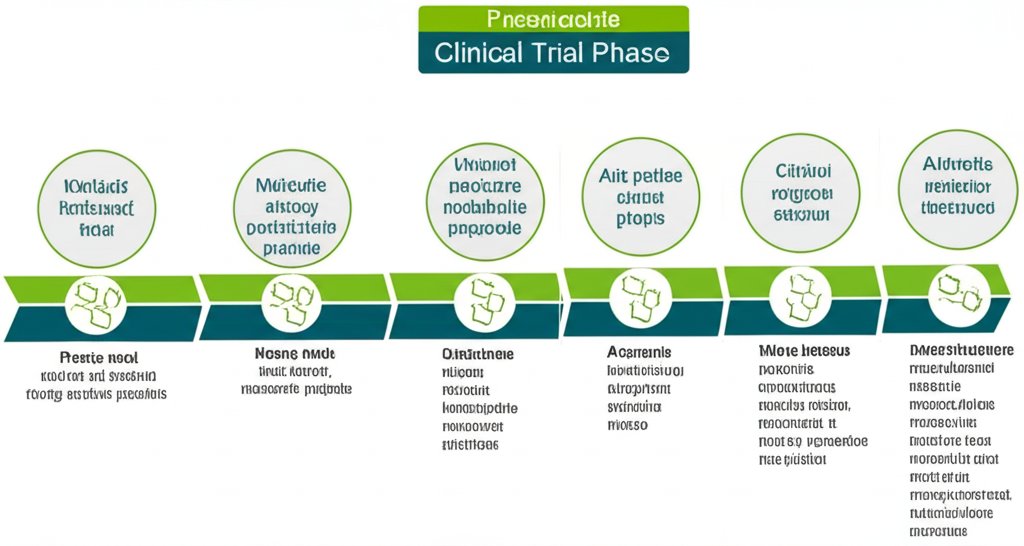
The Road to Approval: A Look at the FDA Process

The path to FDA approval is a marathon, not a sprint, often taking 10 to 15 years from discovery to market. This rigorous process is designed to ensure every new medication is both safe and effective for patients.
It begins with preclinical research, where scientists conduct extensive laboratory and animal studies. This initial phase helps determine if the compound is safe enough to be tested in humans.
If the preclinical data are positive, the developer submits an Investigational New Drug (IND) application to the FDA. Once the IND is approved, the compound can move into clinical trials with human participants.
These trials are broken into three main phases. Phase 1 trials usually involve a small group of 20 to 80 healthy volunteers to evaluate safety, determine a safe dosage range, and identify side effects.
Phase 2 trials expand to a larger group of several hundred people who have the condition the drug is intended to treat. This phase focuses on the drug’s effectiveness and further evaluates its safety.
Phase 3 trials are the largest and most critical, involving several hundred to several thousand volunteers. These studies confirm effectiveness, monitor side effects, and compare the new drug to commonly used treatments.
After completing all three phases, the company submits a New Drug Application (NDA) to the FDA. The FDA then conducts a thorough review of all the data, which can take another 6 to 10 months, before deciding whether to approve the drug.
Promising Data: What the Research Shows
The buzz surrounding GLP-3 Reta is fueled by its groundbreaking Phase 2 clinical trial results. The data, published in The New England Journal of Medicine, showed unprecedented levels of weight reduction.
After just 24 weeks, participants on the highest dose lost an average of 17.5% of their body weight. By the 48-week mark, that number climbed to a staggering 24.2% average weight loss, which translates to about 58 pounds.
The results were consistent across the board. At 48 weeks, 100% of participants taking the 8mg and 12mg doses lost at least 5% of their body weight, and nearly half of those on the highest dose lost more than 25%.
Remarkably, researchers noted that participants had not yet hit a weight loss plateau by the end of the 48-week study. This suggests that even greater weight reduction could be possible with longer-term use.
The benefits extended far beyond the scale. The study also documented significant improvements in key cardiometabolic health markers, including blood pressure, triglycerides, and LDL cholesterol.
Furthermore, participants with prediabetes saw their blood sugar levels normalize, and a substudy found that GLP-3 Reta led to a dramatic reduction in liver fat. These findings highlight its potential as a comprehensive tool for metabolic research.
The Final Hurdle: Phase 3 Trials and the Projected Timeline
GLP-3 Reta is currently in its final phase of testing, a large-scale program known as the TRIUMPH trials. This is the last major step before Eli Lilly can submit the drug to the FDA for approval.
The TRIUMPH program is incredibly comprehensive. It includes multiple studies evaluating GLP-3 Reta not only for chronic weight management but also for obesity-related health complications.
Specific trials are investigating its effects on patients with obstructive sleep apnea, knee osteoarthritis, and established cardiovascular disease. This broad research aims to build a complete picture of the peptide’s potential benefits.
So, what is the projected timeline? Based on the schedules for the ongoing Phase 3 trials, which are expected to conclude around 2025-2026, experts have a clear forecast.
Eli Lilly is anticipated to submit its New Drug Application to the FDA in late 2025 or early 2026. With a standard review period, final FDA approval is projected for mid-to-late 2026, with commercial availability in the U.S. expected in early 2027.
GLP-3 Reta vs. Other Peptides: A New Frontier
To understand the excitement around GLP-3 Reta, it helps to see how it evolves from previous peptides. Its unique mechanism of action is what truly sets it apart in metabolic science.
Many are familiar with GLP-1 Sema, a GLP-1 receptor agonist. It works by targeting a single hormone pathway to help regulate appetite and blood sugar.
The next evolution was GLP-2 Tirz, a dual-agonist that targets both the GLP-1 and GIP receptors.
This dual action provided even greater results, a topic covered in our GLP-1 Sema vs GLP-2 Tirz blog post.
GLP-3 Reta is the next leap forward, functioning as a triple-agonist peptide. It is a single molecule designed to activate three different hormone receptors: GLP-1, GIP, and glucagon.
This triple-action mechanism creates a powerful synergy. The GLP-1 and GIP pathways help reduce appetite and improve insulin secretion, while adding the glucagon receptor is thought to increase energy expenditure and lipolysis (the breakdown of fats).
This allows it to tackle both calorie intake and energy output, which may explain its profound effects.
Advancing Your Research with Spartan Peptides
The clinical approval of GLP-3 Reta is still a few years away, but the scientific exploration of its potential is happening right now.
For researchers dedicated to advancing our understanding of metabolic health, access to high-quality compounds is essential.
At Spartan Peptides, we are committed to supporting the scientific community by providing premium, research-grade peptides.
Our products are intended strictly for laboratory and in-vitro research purposes, empowering scientists to conduct groundbreaking studies.
Explore our catalog of weight loss peptides to find the tools for your next project.
To investigate the unique triple-agonist mechanism, you can find high-purity GLP-3 Reta available for your research needs today.
Frequently Asked Questions
What is GLP-3 Reta and how does it differ from GLP-1?
GLP-3 Reta (GLP-3(Reta)) is an investigational triple-receptor agonist targeting GLP-1, GIP, and glucagon receptors simultaneously. Unlike GLP-1 monotherapy, this multi-receptor approach is being studied for potentially greater effects on weight loss, glucose control, and energy expenditure in research models.
What stage is GLP-3 Reta at in the FDA approval process?
GLP-3(Reta) has advanced through Phase 2 clinical trials demonstrating substantial weight reduction. Phase 3 trials are currently evaluating long-term safety and efficacy. FDA approval timelines depend on trial outcomes, with researchers closely monitoring progress toward potential NDA submission.
What did Phase 2 trials show about GLP-3 Reta effectiveness?
Phase 2 data published in The New England Journal of Medicine showed GLP-3(Reta) produced dose-dependent weight reduction with the highest doses achieving over 17% mean weight loss at 24 weeks. These results positioned it among the most potent investigational obesity treatments studied to date.
How does the FDA review process work for novel peptide drugs?
After Phase 3 trial completion, manufacturers submit a New Drug Application (NDA) to the FDA. Review periods typically range from 6-12 months for priority review. The agency evaluates efficacy data, safety profiles, and manufacturing quality before granting approval.
Where can researchers access GLP-related peptides for laboratory studies?
Research-grade GLP receptor agonists including GLP-1 Sema and GLP-2 Tirz are available through specialty peptide suppliers. Spartan Peptides provides ≥98% purity metabolic peptides with full Certificates of Analysis for in vitro and preclinical laboratory research.
Ready to advance your GLP-1 Sema research?
Spartan Peptides offers ≥98% purity GLP-1 Sema with full in-house purity verification and in-house quality testing.
⚠️ Research Use Only — Not for Human Consumption
The peptides discussed in this article are intended for laboratory and research purposes only. They are not intended for human consumption. All information presented is based on published preclinical research and is provided for educational purposes only.

Our team of peptide researchers and biochemists reviews every article for scientific accuracy. Learn more about our team →