
How to Reconstitute Peptides: Step-by-Step Guide

Written bySpartan Research Team
Reconstituting peptides can feel intimidating at first, especially when you’re staring at an expensive vial and worrying about contamination or dosage mistakes. That hesitation is completely normal.
Correct reconstitution matters because it directly affects peptide potency, sterility, and dosing accuracy. Improper mixing can damage fragile peptide structures, introduce bacteria, or create inconsistent concentrations that undermine results.
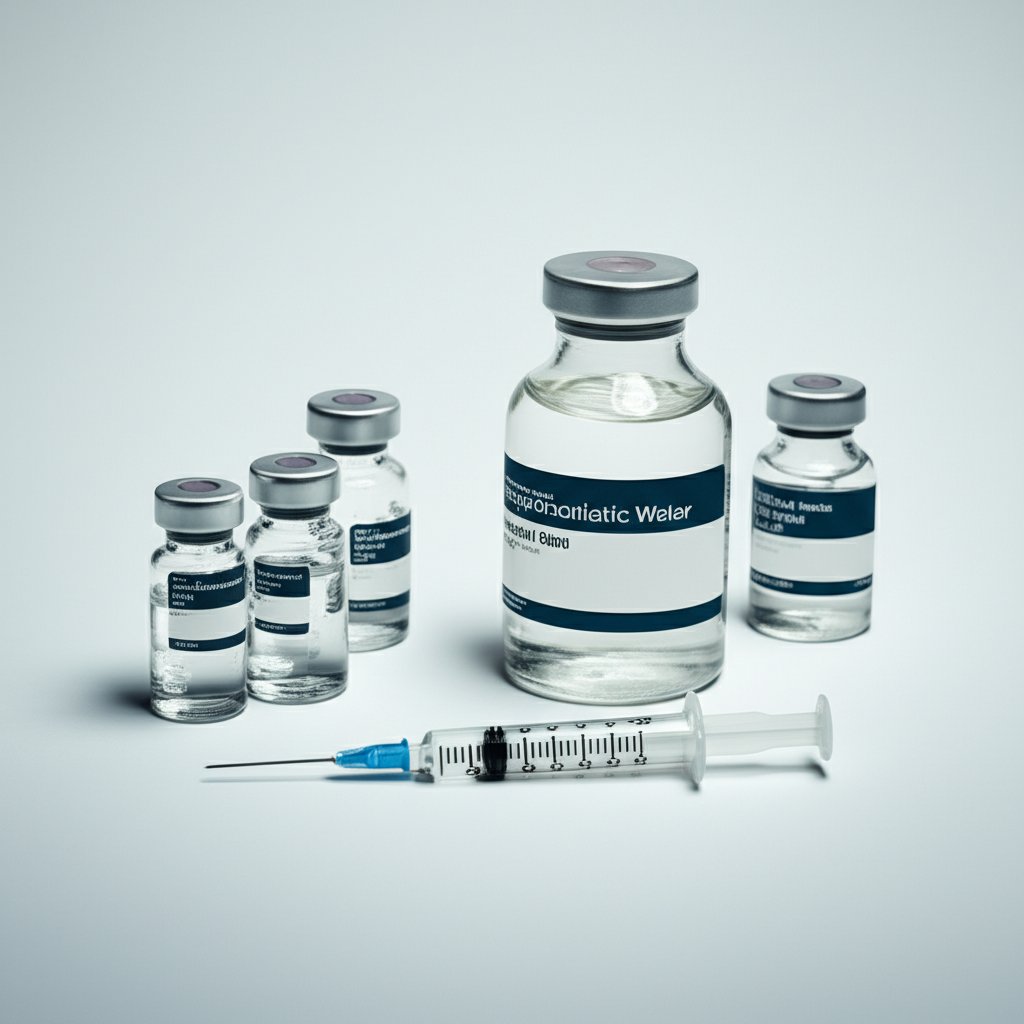 bacteriostatic water” style=”width:100%;border-radius:8px;” />
This guide walks you through the entire process step-by-step, showing exactly how to move from dry vial to usable solution with confidence.
Reconstitution defined:
Reconstitution means dissolving lyophilized (freeze-dried) peptide powder into a sterile solvent like bacteriostatic water to create a usable solution. Peptides arrive freeze-dried because liquid peptides degrade quickly when exposed to moisture, heat, or light. This format protects stability and extends shelf life until you’re ready to prepare them correctly.
This guide covers the tools you need, solvent selection, proper mixing technique, and safe handling practices backed by lab standards. You’ll also see common mistakes to avoid and storage considerations.
Peptide Reconstitution Quick View
- What it is: Dissolving freeze-dried peptide powder in sterile solvent like Spartan Peptides Bacteriostatic Water to create an injectable solution for accurate dosing.
- Supplies needed: Lyophilized peptide vial, bacteriostatic water, alcohol swabs, 1mL insulin syringes (100-unit). Optional: magnetic stirrer.
- High-level steps: Clean vial tops with alcohol. Draw solvent, slowly inject along the vial wall, gently swirl until dissolved. Refrigerate.
- Common mistakes: Never shake the vial. Avoid tap water, rushed handling, or incorrect solvent volumes that cause contamination or dosing errors.
- Who should slow down: First-time users, anyone new to sterile handling, or those using injectable peptides like BPC-157. Precision protects integrity and safety.
What You Need to Reconstitute
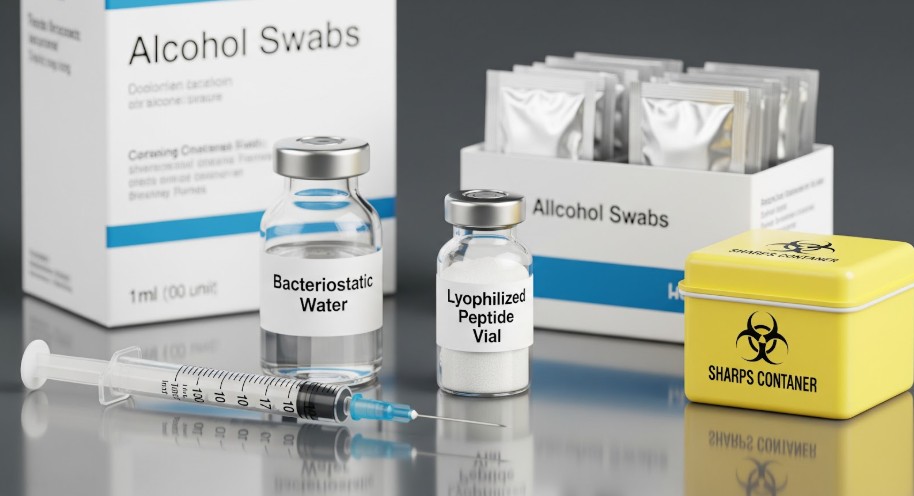
Reconstituting peptides safely starts with having the correct supplies ready before you open any vial. Each item plays a specific role in maintaining sterility, accuracy, and peptide stability throughout the process. Missing even one essential can increase contamination risk or compromise dosing precision.
This checklist ensures you’re fully prepared, whether working in a home or research setting.
Visual Reconstitution Checklist
- Lyophilized peptide vial: Contains your freeze-dried peptide powder, commonly ranging from two to ten milligrams per vial. Always confirm the exact amount listed on the label before calculating solvent volume.
- Bacteriostatic water: The preferred solvent for most injectable peptides because it inhibits bacterial growth after reconstitution. Use Spartan Peptides Bacteriostatic Water for consistent sterility and reliable post-mixing stability.
- Sterile syringe: A one milliliter insulin syringe with one hundred unit markings allows precise solvent measurement. Smaller gauges reduce coring and help maintain vial integrity during repeated use.
- Alcohol swabs: Seventy percent isopropyl alcohol swabs disinfect vial tops, hands, and surfaces before every step. Always use a fresh swab to avoid transferring bacteria between items.
- Clean workspace: Choose a flat, non-porous surface wiped thoroughly with alcohol before beginning. A calm, organized setup helps prevent rushed mistakes during critical steps.
- Sharps container: Proper needle disposal protects you and others from accidental injury or contamination. Never recap used syringes or discard them in household trash.
Why Only Bacteriostatic Water Is Recommended
Bacteriostatic water contains benzyl alcohol, which slows bacterial growth once a vial is opened and accessed multiple times. Plain sterile water lacks preservatives and should only be used once, increasing contamination risk in multi-dose vials.
Avoid alternatives like saline, tap water, DMSO, or vinegar, as they compromise stability or purity. To reduce risk further, verify quality before mixing using trusted purity standards.
How Much Bacteriostatic Water to Use?
Choosing the correct amount of bacteriostatic water is one of the most important steps in peptide reconstitution. Too much dilution leads to awkward dosing, while too little increases error risk with tiny syringe measurements.
Getting this step right protects accuracy, consistency, and long-term usability of each vial.
Understanding Concentration Basics
Peptide concentration is calculated by dividing the peptide amount in milligrams by the solvent volume in milliliters (ml). For example, dissolving five milligrams (mg) of peptide into 2ml of water creates a concentration of 2.5 mg/ml. This number determines how many syringe units equal a specific microgram dose.
Understanding this simple relationship prevents guesswork later.
Vial strength matters because stronger vials concentrate more peptides into smaller volumes. A lower strength vial often benefits from slightly more water to keep syringe draws readable and consistent.
Higher strength vials usually require less water to avoid unnecessarily large injection volumes. Matching concentration to your syringe markings improves precision every time.
Common Reconstitution Ratios
Common reconstitution ratios are widely used for usability, not medical instruction. A 5mg vial often uses 2–3ml of bacteriostatic water for flexible dosing. A 10mg vial commonly uses 2ml for simple unit math. A 20mg vial may use 4ml to balance stability and accuracy.
Always consider your syringe type when deciding volume. U-100 insulin syringes measure one unit as 0.01 milliliters, making math easier at certain concentrations. Before mixing, confirm peptide quality and labeling, and review core peptide concepts to avoid preventable errors.
Quick Calculation Example
Example: A 10mg vial mixed with 2mL bacteriostatic water creates a 5mg/mL concentration. To dose 250mcg (0.25mg), you’d draw 0.05mL, which equals 5 units on a U-100 insulin syringe.
Always double-check your math before drawing your first dose. When in doubt, start with standard ratios and adjust based on your comfort level with syringe precision.
Step-by-Step Process
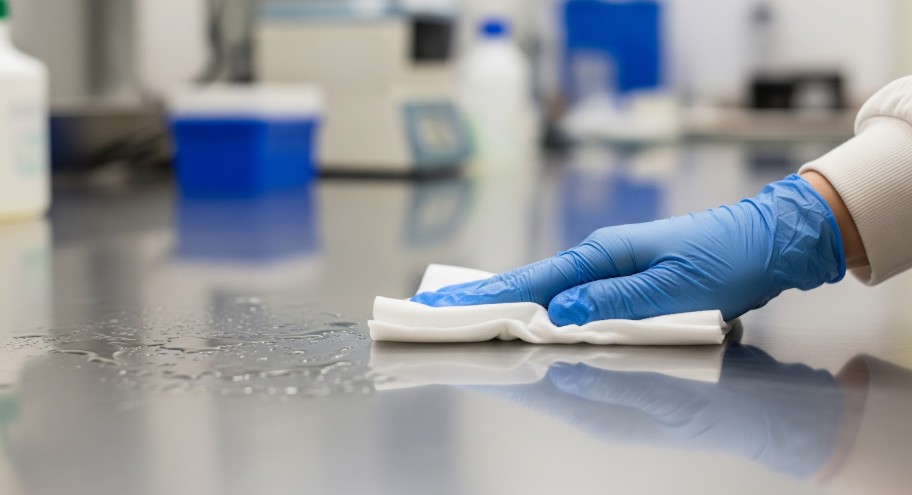
When reconstituting peptides, it’s crucial to follow a precise sequence designed to protect sterility, preserve peptide structure, and maintain consistent concentration. This step-by-step checklist ensures repeatable results. So move slowly, stay organized, and complete each step before advancing to the next step.
Step 1: Sanitize Your Workspace
Choose a flat, stable surface away from airflow, pets, or food preparation areas. Wipe the entire surface with seventy percent isopropyl alcohol using a clean cloth or sterile pad. Allow the surface to air dry completely before placing any supplies down to reduce airborne contamination.
Step 2: Clean Vial Stoppers
Remove the caps from both the peptide vial and the bacteriostatic water vial. Using a fresh alcohol swab, scrub each rubber stopper with firm circular motions for at least fifteen seconds. Let the stoppers air dry naturally and avoid touching them once cleaned.
Step 3: Draw Bacteriostatic Water Into the Syringe
Use a new sterile one milliliter insulin syringe with clear unit markings. Insert the needle into bacteriostatic water and slowly draw the exact volume you calculated earlier. Tap the syringe gently to release bubbles and expel excess air before proceeding.
Step 4: Inject Water Slowly Into the Peptide Vial
Hold the peptide vial at a slight angle so the liquid can run down the inner glass wall. Insert the needle with the bevel facing upward and avoid touching the dry powder directly. Depress the plunger slowly so the water trickles gently instead of forcefully striking the peptide.
Aim the needle so the stream hugs the vial wall rather than dripping straight onto the powder.
Step 5: Gently Swirl, Never Shake
Once all the water is added, remove the needle and recap the vial carefully. Roll or swirl the vial slowly between your fingers or on a flat surface until the powder dissolves. If particles remain, let the vial rest briefly, then continue gentle swirling without agitation.
A correctly mixed peptide solution appears clear and uniform, without cloudiness, floating particles, or foam.
Step 6: Inspect the Solution for Clarity
Hold the vial up to the light and check for consistency throughout the liquid. Discard the vial if you see haze, unexpected discoloration, or suspended material. Label the vial with the date and concentration, then refrigerate immediately according to storage guidelines.
Warning Signs of Contamination
Cloudiness, unusual odor, fizzing, or rapid color changes after mixing indicate possible contamination and should not be ignored.
Take your time with each step, especially if this is your first reconstitution. Precision and patience protect peptide quality and reduce avoidable mistakes.
Storage & Handling
Once peptides are reconstituted, proper storage becomes just as important as the mixing process itself. Incorrect handling after mixing can quickly degrade peptide structure and reduce effectiveness within days.
Treat your solution like a pharmaceutical product, not a supplement sitting on a shelf. Careful storage protects potency, sterility, and consistency across every dose.
Refrigeration Requirements
Refrigeration is required immediately after reconstitution to slow chemical breakdown and bacterial growth. Store peptides between 2–8℃/35–46℉ in the main refrigerator compartment for temperature stability. Avoid placing vials in the door, where frequent opening causes fluctuations.
Freezing is not recommended unless specifically stated, as ice crystals can damage delicate peptide bonds.
Shelf Life After Mixing
Shelf life depends on the solvent used during reconstitution. Peptides mixed with bacteriostatic water typically remain stable for up to 28 days when refrigerated. Solutions made with plain sterile water should be discarded within 24 hours.
Always discard peptides early if cloudiness, discoloration, or particles appear.
Light and Temperature Sensitivity
Peptides are highly sensitive to light and heat exposure. Keep vials in their original packaging or protect them with opaque or amber wrapping. Direct sunlight and warm environments accelerate degradation and shorten usable lifespan significantly.
When traveling, use insulated cooler bags to maintain proper temperature control.
Labeling Best Practices
Labeling is a critical but often overlooked step after mixing. Each vial should clearly list the peptide name, concentration, reconstitution date, and expected expiration. Waterproof labels or tape prevent smudging and confusion over time.
Accurate labeling helps prevent dosing errors and accidental use of expired material.
Refer to our peptide storage guide for full storage protocols.
Common Storage Mistakes to Avoid
- Leaving peptides at room temperature overnight causes rapid potency loss
- Freezer storage damages the structure
- Unlabeled vials lead to mix-ups and expired use
- Door storage and light exposure further reduce effectiveness over time
Common Mistakes
Reconstituting peptides is straightforward when a few common errors are avoided. Most issues arise from rushing the process, substituting supplies, or overlooking basic hygiene. Breaking these mistakes down clearly helps protect peptide integrity and keeps the process calm, repeatable, and stress-free.
Using the Wrong Type of Water
- Mistake: Reconstituting with sterile water instead of bacteriostatic water
- Why it matters: Sterile water contains no preservatives, allowing bacteria to grow quickly once a vial is accessed more than once
- Best practice: Use bacteriostatic water for multi-dose vials to support stability and safer storage under refrigeration
Shaking the Vial After Mixing
- Mistake: Shaking or vigorously agitating the vial
- Why it matters: Shaking can damage fragile peptide structures and introduce foam or bubbles that reduce potency
- Best practice: Gently swirl or roll the vial until the solution is fully dissolved and clear
Adding the Wrong Amount of Water
- Mistake: Using too much or too little bacteriostatic water
- Why it matters:
- Too little water makes syringe measurements overly precise and hard to repeat
- Too much water leads to large injection volumes and inefficient dosing
- Best practice: Calculate concentration in advance and match water volume to vial strength and syringe type
Poor Hygiene During Reconstitution
- Mistake: Skipping alcohol swabs or working on unclean surfaces
- Why it matters: Poor hygiene increases contamination risk and can result in cloudy or compromised solutions
- Best practice: Sanitize hands, vial stoppers, and your workspace before every step
Reusing Needles or Syringes
- Mistake: Reusing needles during preparation or dosing
- Why it matters: Reused needles dull quickly, increase coring, and transfer bacteria between vials
- Best practice: Always use fresh, sterile syringes to protect sterility, accuracy, and personal safety
Avoiding these common mistakes ensures consistent results and preserves peptide quality from the first mix through the final dose.
When Reconstitution Is Required (And When It Isn’t)
Not all peptides require reconstitution. Injectable, freeze-dried peptides need careful preparation, while many research peptides arrive pre-mixed for convenience in lab settings.
Spartan Peptides focuses on high-quality R&D peptides designed for research applications, helping scientists and labs handle their materials safely and consistently. Browse our catalog to find peptides suited for your experimental needs.
Frequently Asked Questions About Peptide Reconstitution
Q: What is bacteriostatic water and why is it used for peptide reconstitution?
A: Bacteriostatic water is sterile water containing 0.9% benzyl alcohol, which inhibits bacterial growth. It is the preferred solvent for peptide reconstitution because it extends the shelf life of the reconstituted peptide (typically up to 28 days when refrigerated), unlike standard sterile water which should be used within a few days.
Q: How much bacteriostatic water should be used to reconstitute a peptide?
A: The amount of bacteriostatic water depends on the desired concentration. For research purposes, a common approach is to add 1–2 mL of bacteriostatic water to a 5 mg vial, yielding a concentration of 5 mg/mL or 2.5 mg/mL respectively. Always calculate your target concentration before adding solvent.
Q: Does swirling or shaking a peptide vial damage the peptide?
A: Research indicates that vigorous shaking can potentially denature (damage) peptide structures. Best practice is to gently roll or swirl the vial until the lyophilized powder has fully dissolved. Never use a vortex mixer or shake aggressively.
Q: How should reconstituted peptides be stored?
A: Reconstituted peptides should be stored in a refrigerator at 2–8°C (36–46°F), away from light. For long-term storage of unused portions, freezing at -20°C is recommended. Avoid repeated freeze-thaw cycles, as these can degrade peptide integrity.
Q: Are reconstituted peptides for research use only?
A: Yes. All peptides sold by Spartan Peptides are strictly for in vitro research and laboratory use only. They are not approved for human consumption, clinical use, or veterinary use. Researchers should follow all applicable safety guidelines and institutional protocols when handling research peptides.
Related Research Resources
- BPC-157 and TB-500 (Wolverine Protocol)
- BPC-157 research peptide
- Complete Peptide Reconstitution and Storage Guide
- Shop all research peptides
Ready to advance your Research Peptides research?
Spartan Peptides offers ≥98% purity research peptides with full in-house purity verification and in-house quality testing.
⚠️ Research Use Only — Not for Human Consumption
The peptides discussed in this article are intended for laboratory and research purposes only. They are not intended for human consumption. All information presented is based on published preclinical research and is provided for educational purposes only.

Our team of peptide researchers and biochemists reviews every article for scientific accuracy. Learn more about our team →