
NAD+ 750mg: The Complete Research Guide to Cellular Energy, DNA Repair, and Longevity Science

Written bySpartan Research Team
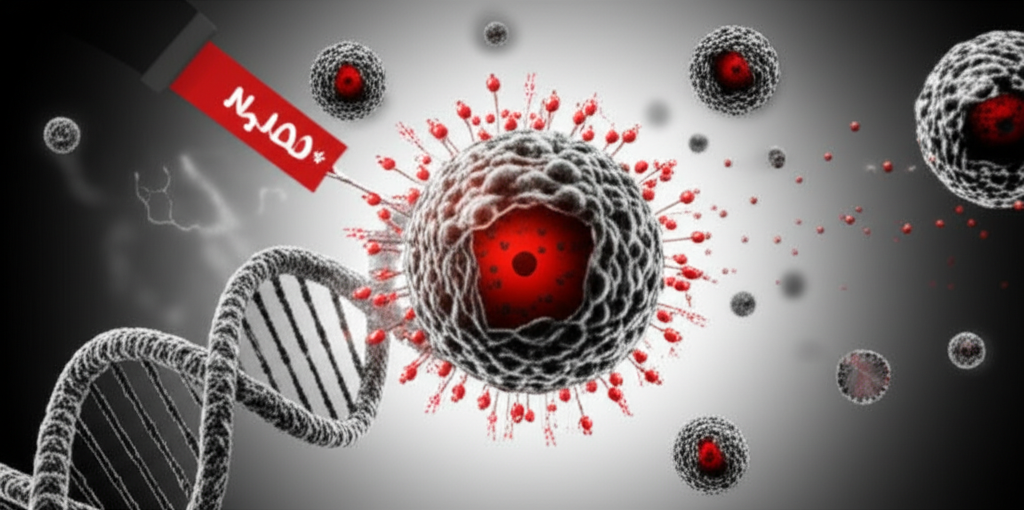
Nicotinamide adenine dinucleotide — better known as NAD+ — is one of the most studied coenzymes in modern biochemistry. Present in every living cell, NAD+ plays a central role in energy metabolism, DNA repair, and cellular signaling. As research into age-related cellular decline accelerates, NAD+ has emerged as a focal point for investigators studying how cells maintain function over time — and how restoring declining NAD+ levels might slow or modulate that process.
Spartan Peptides offers NAD+ 750mg for qualified research applications, providing a high-purity formulation designed for laboratory investigation into this critical coenzyme. This complete guide examines the biochemistry, molecular mechanisms, research evidence, and practical experimental considerations for researchers working with NAD+ 750mg.
What Is NAD+ and Why Does It Matter?
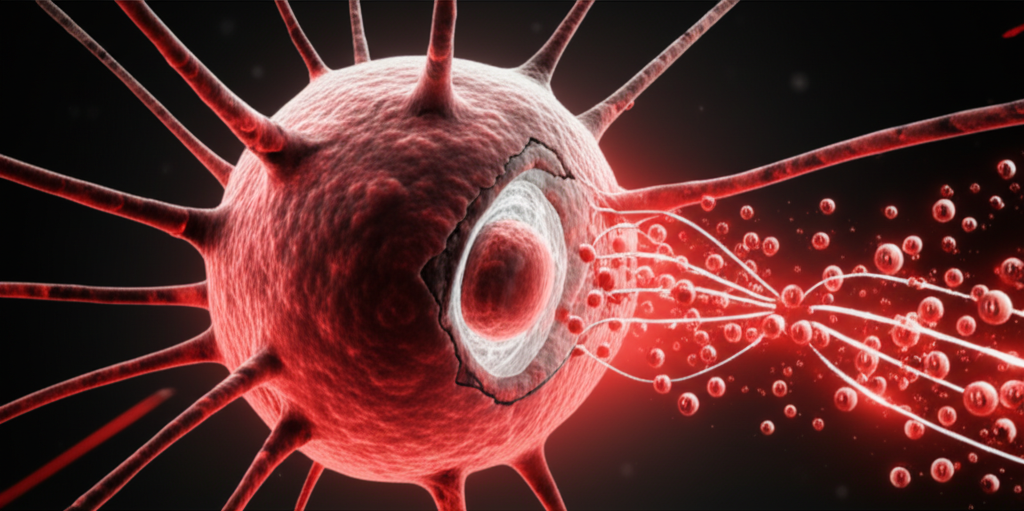
NAD+ is a coenzyme that participates in over 500 enzymatic reactions within the cell. It exists in two interconvertible forms — NAD+ (oxidized) and NADH (reduced) — and shuttles electrons between metabolic reactions, making it essential for converting nutrients into cellular energy (ATP). First identified in 1906 from yeast extracts, NAD+ is structurally a dinucleotide: two nucleotides joined through their phosphate groups, one containing adenine and one containing nicotinamide.
Beyond energy production, NAD+ serves as a substrate for three major enzyme families that are central to current aging and cellular health research:
- Sirtuins (SIRT1–7): a family of NAD+-dependent deacetylases involved in gene expression regulation, mitochondrial function, stress response, and longevity signaling. Sirtuin activity is directly dependent on NAD+ availability — making NAD+ the rate-limiting factor in sirtuin-mediated cellular regulation.
- PARPs (Poly ADP-Ribose Polymerases): enzymes that consume NAD+ during DNA damage repair. PARP activation is one of the largest consumers of cellular NAD+, and chronic PARP activity from persistent DNA damage can rapidly deplete NAD+ reserves.
- CD38/CD157 Ectoenzymes: membrane-bound enzymes involved in calcium signaling and immune cell function that also degrade NAD+ as a substrate. CD38 expression increases significantly with aging and is now considered a primary driver of age-related NAD+ decline.
This triple demand on NAD+ — from energy production, DNA repair, and immune signaling — is what makes maintaining adequate NAD+ levels a central question in aging and metabolic research.
The NAD+ Decline Problem
One of the most consistent findings in aging research is that NAD+ levels decline significantly with age. Studies in both animal models and human tissue samples have shown that NAD+ concentrations can drop by as much as 40–60% between young adulthood and middle age, with continued decline thereafter. This reduction is not uniform — the brain, liver, and skeletal muscle exhibit the most pronounced age-dependent decreases, tissue types that are also among the most metabolically demanding.
The mechanisms driving this decline are now better understood:
- CD38 upregulation: Aging immune cells and other cell types progressively increase CD38 expression, chronically catabolizing NAD+ faster than biosynthetic pathways can replace it.
- Chronic PARP activation: Accumulating genomic DNA damage with age leads to sustained PARP activation — a state sometimes called the PARP trap — depleting NAD+ continuously.
- Reduced salvage pathway efficiency: The enzymatic recycling of nicotinamide back to NAD+ through the salvage pathway becomes less efficient with age, compounding the supply-demand imbalance.
- Inflammaging: Chronic low-grade inflammation characteristic of aging drives immune cell activation and further NAD+ catabolism through both PARP and CD38 pathways.
This decline has been associated in research settings with reduced mitochondrial function, impaired DNA repair capacity, decreased sirtuin activation, increased susceptibility to metabolic dysfunction, and chronic inflammatory signaling. The central hypothesis driving NAD+ research is whether pharmacological restoration of NAD+ levels can slow, prevent, or partially reverse these age-associated cellular changes.
Molecular Mechanisms of Action: Sirtuins, PARP, and the NAD+ Axis
Sirtuin Pathway
The seven mammalian sirtuins (SIRT1–7) are NAD+-dependent protein deacetylases and deacylases that regulate an extraordinarily diverse set of cellular processes. Each sirtuin has a distinct subcellular localization and functional specialization:
- SIRT1 (nucleus/cytoplasm): Deacetylates and activates PGC-1α, driving mitochondrial biogenesis. Also regulates p53 (apoptosis suppression under stress), NF-κB (anti-inflammatory), and FOXO transcription factors (stress resistance and longevity).
- SIRT2 (cytoplasm): Involved in tubulin deacetylation, cell cycle regulation, and mitotic checkpoint control.
- SIRT3 (mitochondria): Deacetylates and activates key enzymes in the TCA cycle, electron transport chain, and fatty acid oxidation. Activates SOD2 (mitochondrial antioxidant defense) and prevents hyperacetylation of mitochondrial proteins.
- SIRT4 (mitochondria): Regulates glutamine metabolism and the mitochondrial unfolded protein response (mtUPR).
- SIRT5 (mitochondria): Demalonylase and desuccinylase activity affecting urea cycle and ketone body metabolism.
- SIRT6 (nucleus): Critical for telomere maintenance, base excision repair, and suppression of inflammatory gene programs. SIRT6 activity directly influences genomic stability and has been studied in the context of longevity in multiple species.
- SIRT7 (nucleolus): Regulates ribosomal RNA transcription and the cellular stress response to DNA damage.
Because every sirtuin depends on NAD+ as a co-substrate (releasing nicotinamide as a byproduct), NAD+ availability is the master regulator of this entire signaling network. When NAD+ is abundant, sirtuins are active, and the cell is primed for efficient energy use, stress resistance, and genomic maintenance. When NAD+ declines, sirtuin activity falls across the board — creating a cascade of downstream dysfunction that closely mirrors the phenotypes of biological aging.
PARP Pathway
Poly ADP-ribose polymerases (PARPs) are the cell’s first responders to DNA damage. Upon detecting DNA strand breaks, PARP1 rapidly consumes NAD+ to synthesize poly-ADP-ribose (PAR) chains on histones and other proteins near the break site — a signal that recruits the DNA repair machinery. Under normal conditions, this is a brief, contained event. However, in the context of aging, cumulative genotoxic stress from ROS, replication errors, and environmental damage keeps PARP1 persistently activated.
This chronic PARP activation creates a vicious cycle: NAD+ is depleted → sirtuin activity falls → mitochondrial quality control declines → ROS production increases → more DNA damage → more PARP activation. Research targeting this cycle — either by boosting NAD+ supply or by modulating PARP activity — represents a major area of investigation in aging biology.
PARP2, PARP7, and PARP10 also consume NAD+ for ADP-ribosylation signaling beyond DNA repair, including roles in RNA regulation, inflammation, and telomere biology — further broadening the relevance of NAD+ sufficiency to genome and cell health.
Key Research Areas for NAD+ 750mg
Mitochondrial Bioenergetics
NAD+ is indispensable for oxidative phosphorylation — the process by which mitochondria generate ATP. Research has demonstrated that declining NAD+ levels correlate with reduced mitochondrial membrane potential and decreased respiratory chain efficiency. Studies using NAD+ precursors in aged animal models have shown restoration of mitochondrial function markers, including improved oxygen consumption rates and ATP output.
SIRT1 and SIRT3 activation downstream of NAD+ repletion promotes PGC-1α-driven mitochondrial biogenesis, improving both the quantity and quality of mitochondria in tissues that have undergone age-related decline. This biogenesis effect, combined with SIRT3-mediated activation of TCA cycle enzymes and SOD2, represents a comprehensive restoration of mitochondrial metabolic capacity.
DNA Damage Response and Genomic Stability
PARP enzymes are among the first responders to DNA strand breaks, and their activity is entirely dependent on NAD+ as a substrate. When NAD+ is depleted — whether by age, metabolic stress, or excessive PARP activation — the cell’s ability to repair DNA damage is compromised, leading to genomic instability, a hallmark of both aging and oncogenesis.
Research has shown that supplementing NAD+ in cell culture models enhances PARP-mediated repair of both single-strand and double-strand DNA breaks. SIRT6, which is also NAD+-dependent, contributes to base excision repair and telomere maintenance, providing a parallel NAD+-dependent mechanism for genomic stability.
Neurological Research
The brain is one of the most metabolically demanding organs, consuming approximately 20% of the body’s total energy. NAD+ depletion in neural tissue has been associated with impaired synaptic plasticity, reduced neurotrophin signaling, and compromised axonal integrity in preclinical models.
A 2023 study identified NAD+ deficiency in individuals with Parkinson’s disease, adding clinical context to previous animal studies. Earlier case reports documented symptom improvements following NAD+ treatment. Cross-species Alzheimer’s models have shown NAD+ supplementation improving cognitive deficits, reducing amyloid burden, and enhancing synaptic density. Research also points to potential protective roles in vascular dementia, traumatic brain injury, and stroke models.
Metabolic Health
SIRT1-dependent deacetylation of FOXO1, PGC-1α, and SREBP1c — all downstream of NAD+ — regulates insulin sensitivity, hepatic lipid metabolism, and glucose homeostasis. Research in animal models of metabolic syndrome shows NAD+ supplementation can reduce ectopic lipid accumulation, improve insulin sensitivity, and enhance mitochondrial fat oxidation. These findings have driven interest in NAD+ as a research tool for metabolic disease models.
Cardiovascular Research
SIRT1 activation downstream of NAD+ promotes endothelial nitric oxide synthase (eNOS) function, supporting vasodilatory tone and vascular health. Preclinical data show NAD+ repletion reduces vascular NADPH oxidase activity and oxidative stress in endothelial cells. In cardiac muscle, NAD+ supplementation has been shown to improve mitochondrial respiration in heart failure models and reduce proinflammatory cytokine expression in peripheral blood mononuclear cells.
NAD+ vs. NMN vs. NR: Research Compound Comparison
Investigators must often choose between direct NAD+ and its biosynthetic precursors when designing experimental protocols. The following table summarizes the key distinctions:
| Parameter | NAD+ (Direct) | NMN | NR |
|---|---|---|---|
| Conversion required | None — active form | Yes (NMNAT1/2/3) | Yes (NRK1/2, then NMNAT) |
| Molecular weight | 663.43 g/mol | 334.22 g/mol | 255.25 g/mol |
| In vitro precision | Excellent — exact [NAD+] | Moderate — conversion varies | Moderate — two-step conversion |
| Oral bioavailability | Limited (gut degradation) | Moderate (transporter-dependent) | Good (well-absorbed) |
| Human clinical trials | Fewer | Multiple ongoing | Multiple completed |
| Best research application | In vitro mechanistic studies | In vivo pharmacokinetics | Oral bioavailability studies |
| Confounding variables | Lowest | Moderate | Moderate-high |
For in vitro and mechanistic studies, direct NAD+ remains the preferred research compound because it eliminates conversion-step variability and provides the most precise experimental control. NMN and NR are better suited for in vivo bioavailability research and studies specifically investigating precursor pharmacokinetics.
Dosing Considerations for Research Applications
The 750mg formulation from Spartan Peptides is designed to provide researchers with a practical, flexible quantity for extended experimental protocols. Key parameters:
- Purity: ≥99% by HPLC with certificate of analysis
- Form: Lyophilized powder for reconstitution
- Molecular formula: C₂₁H₂₇N₇O₁₄P₂ | MW: 663.43 g/mol
- Storage: –20°C (–4°F) or lower, protected from light and moisture
- Reconstitution: Sterile water, PBS, or DMEM; avoid strong bases or acids
- Stability reconstituted: 2–8°C, use within protocol timeframe; avoid repeated freeze-thaw cycles
For cell culture dose-response studies, researchers typically use NAD+ concentrations ranging from 0.1 mM to 5 mM. The 750mg quantity provides sufficient material for approximately 1.1 mmol of NAD+, allowing multiple experimental conditions across extended time courses. For animal studies, NAD+ is typically administered via intraperitoneal injection or infusion; dosing parameters should follow the specific model’s validated protocols from peer-reviewed literature.
NAD+ pairs well with complementary research compounds in multi-pathway experimental designs. Researchers investigating neurotrophin signaling may combine NAD+ with Semax; those studying metabolic and growth hormone interactions may add CJC-1295.iderations. The Energizer Bunny stack is a pre-formulated combination for labs investigating these synergistic pathways.
For broader context on where NAD+ fits in the landscape of anti-aging peptide research, Researchers interested in complementary cellular aging mechanisms may also find our Epitalon and cellular aging research overview a valuable companion read.
Research Citations and Evidence Base
The following landmark publications underpin the core claims in this guide and provide starting points for investigators designing NAD+ research protocols:
- Yoshino et al. (2011): Demonstrated that NMN supplementation restored NAD+ levels and reversed age-associated physiological decline in mice — a foundational paper in the preclinical NAD+ literature. Cell Metabolism, 14(4):528-536.
- Verdin (2015): Comprehensive review of NAD+ metabolism in aging, metabolic disease, and neurodegeneration. Science, 350(6265):1208-1213.
- Rajman et al. (2018): Therapeutic potential of NAD+ boosting molecules — a systematic analysis of the preclinical and early clinical evidence. Cell Metabolism, 27(3):529-547.
- Camacho-Pereira et al. (2016): Identified CD38 as the enzyme responsible for NAD+ degradation in aging — a key mechanistic insight into why NAD+ declines. Cell Metabolism, 23(6):1127-1139.
- Imai & Guarente (2014): NAD+ and sirtuins in aging and disease — a pivotal review of the NAD+–sirtuin–longevity axis. Trends in Cell Biology, 24(8):464-471.
- Brakedal et al. (2023): Clinical evidence for NAD+ deficiency in Parkinson’s disease and improvements with NR supplementation. Cell Metabolism, 35(4):549-572.
Frequently Asked Questions
What is the molecular weight of NAD+ and how is it structured?
NAD+ has a molecular weight of 663.43 g/mol. Its chemical formula is C₂₁H₂₇N₇O₁₄P₂, and it functions as a dinucleotide consisting of two nucleotides joined through their phosphate groups — one containing an adenine base and the other containing nicotinamide. This structure enables it to accept and donate electrons (as NADH/NAD+) across hundreds of metabolic reactions.
How should NAD+ 750mg be stored for research?
Store lyophilized NAD+ at –20°C (–4°F) or lower in a sealed container protected from light and moisture. Once reconstituted, keep at 2–8°C (36–46°F) and use within the timeframe appropriate for your research protocol. Avoid repeated freeze-thaw cycles as these degrade NAD+ over time. Proper storage is critical for maintaining purity and biological activity across extended research timelines.
What are the primary research applications for NAD+ 750mg?
NAD+ 750mg is used in research investigating mitochondrial bioenergetics, sirtuin-mediated gene regulation (SIRT1–7), PARP-dependent DNA repair, neuronal metabolism, cardiovascular biology, and age-related cellular decline. It serves as both a direct experimental variable and a co-substrate in enzymatic assays, making it versatile across multiple research disciplines from biochemistry to neuroscience to metabolic disease research.
How does NAD+ support the sirtuin signaling network?
All seven mammalian sirtuins (SIRT1–7) require NAD+ as a co-substrate for their deacetylase/deacylase activity. When NAD+ is available, sirtuins deacetylate target proteins to regulate mitochondrial biogenesis (SIRT1, SIRT3 via PGC-1α), genomic stability (SIRT6), and metabolic enzyme activity (SIRT3). When NAD+ is depleted, sirtuin activity falls and these regulatory pathways are suppressed — closely mirroring the cellular changes observed in biological aging.
Can NAD+ be used in combination with other research peptides?
Yes. NAD+ is frequently studied alongside peptides targeting complementary pathways. Common research combinations include NAD+ with Semax (BDNF/neurotrophin signaling), CJC-1295 (growth hormone axis research), and MOTS-c (mitochondrial-derived peptide signaling). Spartan Peptides offers a pre-formulated Energizer Bunny stack combining NAD+, Semax, and CJC-1295 for investigators studying these intersecting pathways.
What distinguishes NAD+ from NMN and NR for research purposes?
NMN (nicotinamide mononucleotide) and NR (nicotinamide riboside) are precursors that cells convert into NAD+ through enzymatic pathways. Direct NAD+ eliminates the conversion step, providing the most precise control over NAD+ concentrations in research settings — making it preferred for in vitro mechanistic studies where exact substrate levels are critical. NMN and NR are better suited for in vivo pharmacokinetic studies and oral bioavailability investigations where the conversion process itself is a research variable.
NAD+ 750mg is intended strictly for laboratory and research purposes. It is not approved for human use, therapeutic application, or consumption. All information presented in this guide is based on published preclinical and early-stage clinical research and is provided for educational and scientific purposes only. Researchers must follow all applicable institutional, ethical, and regulatory guidelines when working with this compound.
Written by the Spartan Research Team
The Spartan Peptides Research Team consists of scientists, biochemists, and health researchers dedicated to providing accurate, evidence-based information about peptide research. Our content is reviewed for scientific accuracy and updated regularly to reflect the latest findings in peptide science.