
Peptides for Joint Pain and Arthritis Research: BPC-157, TB-500, and Beyond

Written bySpartan Research Team
Understanding Joint Pain at the Molecular Level
Joint pain affects over 350 million people worldwide, making it one of the most prevalent chronic conditions in modern medicine. Whether driven by osteoarthritis, rheumatoid arthritis, or acute injury, the underlying molecular mechanisms share common pathways — and understanding these pathways is key to appreciating why peptides for joint pain have become such an active area of research.
At the cellular level, joint pain originates from a complex interplay of inflammation, cartilage degradation, and synovial dysfunction. The articular cartilage — the smooth, protective tissue covering bone ends — relies on chondrocytes to maintain its extracellular matrix (ECM), composed primarily of type II collagen and proteoglycans like aggrecan. When this system breaks down, the consequences are progressive and painful.
The Inflammatory Cascade
Joint inflammation begins when pro-inflammatory cytokines — particularly interleukin-1β (IL-1β), tumor necrosis factor-alpha (TNF-α), and interleukin-6 (IL-6) — accumulate in the synovial fluid. These cytokines activate matrix metalloproteinases (MMPs), enzymes that literally digest cartilage tissue. MMP-13, in particular, cleaves type II collagen, while ADAMTS-5 degrades aggrecan. The result is a self-perpetuating cycle: cartilage breakdown releases damage-associated molecular patterns (DAMPs), which trigger further inflammation through toll-like receptors (TLRs) on synovial macrophages (PMID: 27733199).
Simultaneously, the synovial membrane — the tissue lining the joint capsule — becomes hyperplastic. Fibroblast-like synoviocytes (FLS) proliferate aggressively, producing additional inflammatory mediators and contributing to pannus formation in rheumatoid arthritis. Synovial fluid, normally rich in hyaluronic acid for lubrication and shock absorption, becomes diluted and less viscous, reducing its protective properties.
Beyond Cartilage: Subchondral Bone and Nerve Sensitization
The damage extends beyond cartilage. Subchondral bone undergoes remodeling, with abnormal osteoblast and osteoclast activity creating bone marrow lesions visible on MRI. Sensory nerve fibers in the joint become sensitized through nerve growth factor (NGF) signaling, lowering pain thresholds and contributing to both nociceptive and neuropathic pain components. This peripheral sensitization can progress to central sensitization, where the spinal cord amplifies pain signals even in the absence of active tissue damage.
Traditional Treatments: Limitations and Risks
Current standard-of-care treatments for joint pain primarily manage symptoms rather than addressing underlying tissue damage. Non-steroidal anti-inflammatory drugs (NSAIDs) inhibit cyclooxygenase (COX) enzymes to reduce prostaglandin synthesis, providing pain relief but carrying well-documented risks of gastrointestinal bleeding, cardiovascular events, and renal toxicity with chronic use (PMID: 28192677).
Corticosteroid injections offer potent anti-inflammatory effects but are limited to 3-4 administrations per year due to their catabolic effects on cartilage and tendons — paradoxically accelerating the very degeneration they aim to treat. A landmark 2017 trial published in JAMA demonstrated that repeated intra-articular triamcinolone injections actually increased cartilage volume loss compared to saline placebo over two years (PMID: 28586895).
Hyaluronic acid viscosupplementation, platelet-rich plasma (PRP), and eventually total joint replacement represent progressively more invasive options — none of which truly regenerate damaged tissue. This therapeutic gap has driven intense research interest in bioactive peptides that may promote genuine tissue repair at the molecular level.
How Peptides Address Joint Pain Mechanisms

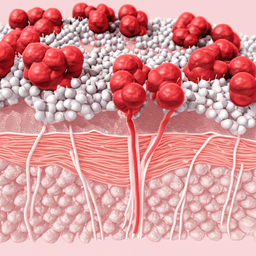
Unlike conventional treatments that suppress symptoms, peptides for arthritis research focuses on molecules that may modulate the underlying biological processes — promoting angiogenesis, reducing inflammatory cytokine expression, stimulating collagen synthesis, and enhancing cellular migration to damaged tissues. These short-chain amino acid sequences act as signaling molecules, interacting with specific receptors to trigger repair cascades.
The most extensively studied joint repair peptides include BPC-157 (Body Protection Compound), TB-500 (a fragment of Thymosin Beta-4), and GHK-Cu (a copper-binding tripeptide). Each addresses different aspects of the joint degeneration pathway, and emerging research suggests their mechanisms may be complementary — a concept that has driven interest in combination protocols.
BPC-157: The Cornerstone of Joint Pain Peptide Research
BPC-157, a 15-amino acid peptide derived from a protein found in human gastric juice, has accumulated one of the most impressive preclinical research profiles of any peptide for joint pain. Originally identified for its gastroprotective properties, BPC-157 has demonstrated remarkable effects on musculoskeletal tissue repair across dozens of animal studies.
Mechanisms Relevant to Joint Health
Angiogenesis and Blood Supply: BPC-157 promotes the formation of new blood vessels through upregulation of vascular endothelial growth factor (VEGF) and its receptor VEGFR2. This is particularly significant for joint structures like tendons, ligaments, and menisci that have notoriously poor blood supply, limiting their natural healing capacity. In rat models of Achilles tendon transection, BPC-157 administration significantly accelerated tendon-to-bone healing with improved biomechanical properties (PMID: 21030672).
Anti-Inflammatory Activity: BPC-157 modulates the inflammatory response by reducing levels of pro-inflammatory cytokines including TNF-α and IL-6 while promoting anti-inflammatory mediators. This dual action — reducing destructive inflammation while supporting repair — distinguishes it from corticosteroids that broadly suppress immune function. Research has shown BPC-157 interacts with the nitric oxide (NO) system, a critical mediator of both inflammation and tissue repair in joints.
Tendon and Ligament Healing: Multiple studies demonstrate BPC-157’s ability to accelerate healing of transected tendons in animal models. The peptide promotes fibroblast proliferation and collagen organization, resulting in mechanically superior repair tissue. In a detailed study of medial collateral ligament (MCL) injuries, BPC-157 improved both histological appearance and functional outcomes. For more on this topic, our dedicated article on BPC-157 for joint and tendon repair provides additional research details.
Growth Hormone Receptor Interaction: BPC-157 has been shown to upregulate growth hormone (GH) receptor expression in tendon fibroblasts, potentially amplifying the tissue-repair effects of endogenous GH signaling — a mechanism that may be particularly relevant for age-related joint degeneration where GH levels naturally decline.
Joint-Specific Research Findings
In adjuvant-induced arthritis models in rats, BPC-157 administration reduced joint swelling, decreased inflammatory cell infiltration, and preserved cartilage integrity compared to untreated controls. The peptide also demonstrated protective effects against NSAID-induced gastrointestinal damage, suggesting potential as a complementary approach that could allow reduced NSAID dosing.
Researchers interested in sourcing research-grade BPC-157 can find third-party tested options at our BPC-157 product page.
TB-500: Thymosin Beta-4 and Joint Tissue Repair
TB-500, a synthetic peptide representing the active region of Thymosin Beta-4 (Tβ4), has emerged as one of the most promising peptides for inflammation and tissue repair in joint research. Thymosin Beta-4 is a naturally occurring 43-amino acid peptide found in virtually all mammalian cells, where it plays a central role in actin polymerization and cell motility.
Mechanisms of Action in Joint Repair
Cell Migration and Recruitment: TB-500’s primary mechanism involves promoting the migration of endothelial cells, keratinocytes, and stem cells to sites of injury. By sequestering G-actin monomers, it regulates cytoskeletal dynamics essential for cell movement. In the context of joint injury, this means faster recruitment of repair cells — including mesenchymal stem cells (MSCs) — to damaged cartilage, tendons, and synovium.
Anti-Inflammatory Properties: TB-500 downregulates inflammatory mediators in damaged tissues. Studies have demonstrated reduced NF-κB activation and decreased expression of inflammatory cytokines in treated tissues. This anti-inflammatory effect occurs without the immunosuppressive consequences of corticosteroids, maintaining the beneficial aspects of the immune response while dampening excessive inflammation.
Tissue Remodeling: TB-500 promotes the deposition of new extracellular matrix components, including collagen and laminin, at injury sites. In animal models of tendon injury, TB-500 treatment improved collagen fiber organization and increased tensile strength of repaired tissue. The peptide also reduces scar tissue formation — a critical factor in maintaining joint flexibility after injury (PMID: 20560983).
Cardiac and Systemic Effects: While primarily studied in cardiac tissue repair, TB-500’s ability to promote neovascularization and reduce fibrosis has clear implications for joint health, particularly in improving blood supply to avascular or poorly vascularized joint structures.
Researchers can find third-party tested TB-500 at our TB-500 product page.
GHK-Cu: Collagen Synthesis and Cartilage Regeneration
GHK-Cu (glycyl-L-histidyl-L-lysine copper complex) is a naturally occurring tripeptide-copper complex found in human plasma, saliva, and urine. Its concentration in plasma decreases significantly with age — from approximately 200 ng/mL at age 20 to 80 ng/mL by age 60 — correlating with the age-related decline in tissue regenerative capacity.
Relevance to Joint Health
Collagen Synthesis Stimulation: GHK-Cu is one of the most potent known stimulators of collagen synthesis, increasing production of types I, III, and importantly for joints, type II collagen. It achieves this through upregulation of tissue inhibitors of metalloproteinases (TIMPs), which counteract the destructive MMPs driving cartilage degradation.
Glycosaminoglycan Production: GHK-Cu stimulates the synthesis of glycosaminoglycans (GAGs) including chondroitin sulfate and dermatan sulfate — key components of cartilage extracellular matrix. Decorin, a small leucine-rich proteoglycan critical for collagen fibril organization, is also upregulated by GHK-Cu treatment.
Anti-Inflammatory Gene Modulation: Genome-wide studies have revealed that GHK-Cu modulates the expression of over 4,000 genes, with significant anti-inflammatory effects. It suppresses genes associated with inflammation (IL-6, IL-8) while upregulating genes involved in tissue remodeling, stem cell differentiation, and antioxidant defense (PMID: 24508075).
Stem Cell Attraction: GHK-Cu acts as a chemoattractant for mesenchymal stem cells and promotes their differentiation toward chondrocyte lineages — potentially supporting genuine cartilage regeneration rather than fibrocartilage scar formation.
The Wolverine Stack: BPC-157 + TB-500 for Joint Applications
One of the most discussed combinations in peptide research is the so-called “Wolverine Stack” — the concurrent use of BPC-157 and TB-500. Named for the comic book character’s legendary healing ability, this combination has gained significant attention in the research community for its potentially synergistic mechanisms.
Complementary Mechanisms
The rationale for combining BPC-157 and TB-500 rests on their complementary — rather than redundant — mechanisms of action:
- BPC-157 primarily drives angiogenesis, growth hormone receptor upregulation, and local tissue protection through NO system modulation
- TB-500 primarily promotes cell migration, actin-based motility, and systemic distribution of repair signals
Together, they theoretically address both the “supply side” (creating new blood vessels and growth factor receptors via BPC-157) and the “demand side” (mobilizing and directing repair cells via TB-500) of the tissue repair equation.
Joint-Specific Applications
For joint applications specifically, the combination may offer advantages over either peptide alone:
- BPC-157’s tendon/ligament specificity combined with TB-500’s broader tissue repair capacity could address the multiple tissue types affected in joint pathology
- BPC-157’s local anti-inflammatory effects complement TB-500’s systemic anti-inflammatory signaling
- The angiogenic effects of both peptides — working through different pathways — may more effectively address the vascular insufficiency that limits healing in joint structures
For researchers exploring combination protocols, our peptide stacking guide covers best practices and research considerations. The pre-combined Wolverine peptide is available on our Wolverine product page.
Emerging Research: KPV and MOTS-c
Beyond the established trio of BPC-157, TB-500, and GHK-Cu, newer peptides are entering the joint health research landscape.
KPV: Targeted Anti-Inflammatory Peptide
KPV is a tripeptide (Lys-Pro-Val) derived from alpha-melanocyte-stimulating hormone (α-MSH). It exerts potent anti-inflammatory effects by entering cells and directly inhibiting NF-κB signaling — the master regulator of inflammatory gene expression. In models of inflammatory bowel disease, KPV dramatically reduced tissue inflammation and cytokine production.
For joint applications, KPV’s mechanism is compelling because NF-κB activation is central to both rheumatoid arthritis and osteoarthritis pathology. By directly targeting this pathway intracellularly, KPV may offer more specific anti-inflammatory effects than broad-spectrum approaches. Early in vitro studies suggest KPV can reduce MMP expression in chondrocytes exposed to inflammatory stimuli, potentially protecting cartilage from enzymatic degradation.
MOTS-c: Mitochondrial Peptide for Age-Related Joint Degeneration
MOTS-c is a mitochondria-derived peptide encoded within the 12S rRNA gene. It functions as a mitochondrial signaling molecule that regulates metabolic homeostasis and has demonstrated significant effects on age-related tissue degeneration.
In the context of joint health, MOTS-c is relevant because mitochondrial dysfunction in chondrocytes is increasingly recognized as a driver of osteoarthritis. Aging chondrocytes show decreased mitochondrial membrane potential, increased reactive oxygen species (ROS) production, and impaired oxidative phosphorylation. MOTS-c treatment has been shown to improve mitochondrial function and reduce oxidative stress in various cell types, suggesting potential protective effects against age-related cartilage degeneration.
Additionally, MOTS-c activates AMPK signaling, which has been shown to be chondroprotective in animal models of osteoarthritis. AMPK activation promotes autophagy — the cellular “recycling” system — which is critical for maintaining chondrocyte health and removing damaged organelles.
Peptide Comparison: Mechanisms, Research Status, and Joint Applications
| Peptide | Primary Mechanism | Research Status | Joint Application |
|---|---|---|---|
| BPC-157 | Angiogenesis, NO system modulation, GH receptor upregulation | Extensive preclinical (100+ animal studies); no completed human trials | Tendon/ligament repair, anti-inflammatory, cartilage protection |
| TB-500 | Actin regulation, cell migration, anti-fibrotic | Strong preclinical; Phase II cardiac trials (Tβ4) | Tissue remodeling, stem cell recruitment, reduced scarring |
| GHK-Cu | Collagen synthesis, gene modulation (4,000+ genes), MSC attraction | Extensive in vitro; limited in vivo joint-specific studies | Cartilage regeneration, ECM restoration, anti-aging |
| KPV | NF-κB inhibition, intracellular anti-inflammatory | Early preclinical; primarily studied in gut inflammation | Targeted inflammation reduction, MMP suppression |
| MOTS-c | Mitochondrial signaling, AMPK activation, metabolic regulation | Early preclinical; growing interest in aging research | Age-related cartilage degeneration, chondrocyte protection |
| BPC-157 + TB-500 (Wolverine) | Synergistic angiogenesis + cell migration | Theoretical synergy; individual components well-studied | Comprehensive joint repair — multiple tissue types simultaneously |
The Future of Peptide Research in Joint Health
The field of peptides for joint pain research is evolving rapidly. Several key developments are worth monitoring:
Targeted Delivery Systems: Intra-articular hydrogel formulations that provide sustained peptide release directly within the joint space are under development. These could dramatically improve bioavailability at the target tissue while reducing systemic exposure. Researchers are exploring hyaluronic acid-based hydrogels loaded with BPC-157, which could combine the viscosupplementation benefits of HA with the tissue-repair properties of the peptide.
Combination Protocols: Beyond the Wolverine Stack, researchers are investigating multi-peptide protocols that address inflammation (KPV), tissue repair (BPC-157 + TB-500), and matrix regeneration (GHK-Cu) simultaneously. The best peptides for injury recovery in 2026 continue to evolve as new research emerges.
Biomarker-Guided Treatment: Advances in joint fluid biomarker analysis may eventually allow personalized peptide selection based on an individual’s specific pathological profile — choosing peptides that target the dominant mechanisms driving their particular joint disease.
Human Clinical Trials: While most peptide joint research remains preclinical, the growing body of animal data and established safety profiles are building the foundation for eventual human clinical trials. The transition from bench to bedside will be critical for establishing evidence-based protocols.
Frequently Asked Questions
What are the most researched peptides for joint pain?
BPC-157 and TB-500 (Thymosin Beta-4) are the two most extensively researched peptides in the context of joint pain and tissue repair. BPC-157 has been studied in over 100 preclinical trials demonstrating effects on tendon healing, angiogenesis, and inflammation reduction. TB-500 has strong preclinical evidence for promoting cell migration and tissue remodeling. GHK-Cu is also well-studied for its collagen-stimulating and cartilage-regenerative properties.
How do peptides for arthritis differ from NSAIDs and corticosteroids?
Traditional treatments like NSAIDs and corticosteroids primarily suppress symptoms — reducing pain and inflammation — but do not repair damaged tissue. In fact, long-term corticosteroid use can accelerate cartilage loss. Peptides under research, by contrast, aim to address the underlying mechanisms: promoting new blood vessel formation, stimulating collagen synthesis, recruiting repair cells, and modulating (rather than suppressing) inflammation. This represents a fundamentally different approach — regeneration versus symptom management.
What is the Wolverine Stack and why is it used in joint research?
The Wolverine Stack refers to the combination of BPC-157 and TB-500 used together. The name comes from the comic book character’s regenerative abilities. The rationale is synergy: BPC-157 excels at angiogenesis and local tissue protection, while TB-500 promotes cell migration and systemic repair signaling. Together, they address both the vascular supply and cellular components of tissue repair, potentially offering more comprehensive joint healing than either peptide alone.
Can peptides actually regenerate cartilage?
This remains an active area of research. GHK-Cu has demonstrated the ability to stimulate type II collagen and glycosaminoglycan production — the key structural components of articular cartilage — in laboratory studies. BPC-157 has shown chondroprotective effects in animal arthritis models. However, true cartilage regeneration (as opposed to fibrocartilage formation) is one of the most challenging goals in orthopedic research, and no peptide has yet been proven in human clinical trials to fully regenerate damaged articular cartilage.
Are peptides for joint pain safe to research?
In preclinical studies, BPC-157 and TB-500 have demonstrated favorable safety profiles with no significant toxicity reported across hundreds of animal studies. BPC-157, derived from a naturally occurring human gastric protein, has shown no adverse effects even at doses many times higher than those used in typical research protocols. However, these peptides have not completed rigorous human clinical trials, and long-term safety data in humans is not yet available. All peptide research should be conducted under appropriate institutional oversight.
What role does inflammation play in joint peptide research?
Inflammation is central to joint disease and a primary target of peptide research. Chronic inflammation drives cartilage destruction through MMP activation, disrupts synovial fluid composition, and sensitizes pain nerve fibers. Peptides like BPC-157, TB-500, and KPV each address inflammation through different mechanisms — NO system modulation, NF-κB pathway inhibition, and cytokine regulation respectively. Importantly, these peptides appear to modulate rather than completely suppress inflammation, potentially preserving the beneficial aspects of the inflammatory response needed for tissue repair.
Research Disclaimer: This article is for informational and research purposes only. These products are not intended for human consumption. All peptides discussed are sold strictly as research chemicals for in vitro and preclinical research applications. The information presented here summarizes published preclinical research and does not constitute medical advice. Always consult with qualified healthcare professionals regarding any health conditions. Spartan Peptides does not claim that any product is intended to diagnose, treat, cure, or prevent any disease.
Written by the Spartan Research Team
The Spartan Peptides Research Team consists of scientists, biochemists, and health researchers dedicated to providing accurate, evidence-based information about peptide research. Our content is reviewed for scientific accuracy and updated regularly to reflect the latest findings in peptide science.