
The Future of Weight Loss: A Deep Dive into Next-Generation GLP-1 Agonists (GLP-2 Tirz, GLP-3 Reta & Beyond)

Written bySpartan Research Team
Obesity and metabolic disorders continue to rise worldwide, driving the search for more advanced weight loss solutions. With this, researchers and clinicians turn their attention to a new class of peptide-based therapies.
Emerging GLP-1 agonists like GLP-2 Tirz and GLP-3 Reta are at the forefront of this scientific movement. These next-generation peptides leverage hormonal pathways to support appetite control, improved insulin sensitivity, and enhanced energy balance.
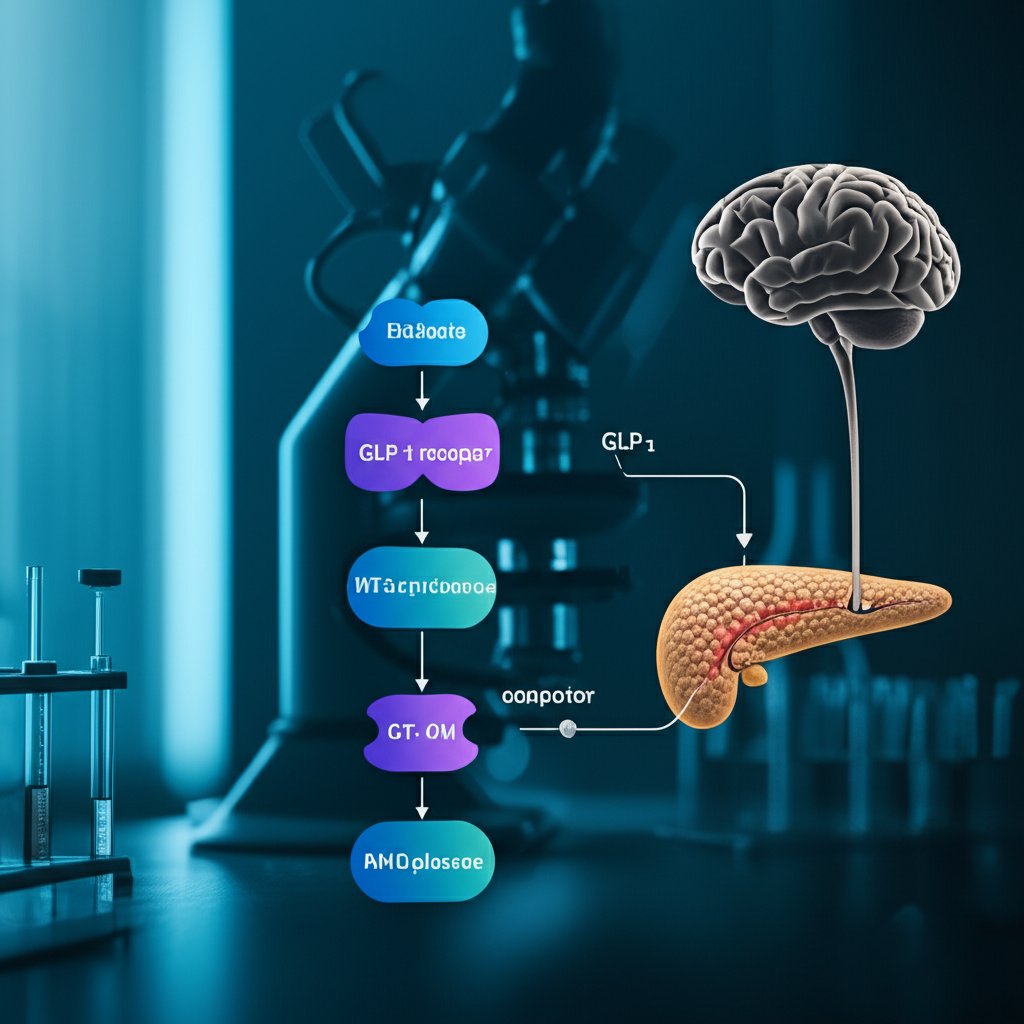
For researchers studying these new peptides for weight loss, the early clinical findings have been remarkable. Let’s look at how these next-generation peptides are advancing and their role in redefining how science approaches obesity management and metabolic health.
Understanding GLP-1 Agonists

To understand today’s breakthroughs in peptide-based weight loss, it helps to start with GLP-1 agonists and their unique role in metabolism. GLP-1, or glucagon-like peptide-1, is a hormone released after eating that signals fullness, slows digestion, and supports insulin secretion. Acting on the brain’s appetite centers, it helps reduce hunger and promote balanced blood sugar levels.
First-generation GLP-1 drugs, like exenatide and liraglutide, were designed to mimic this natural hormone. They improved glucose control and mostly aided in weight reduction by suppressing appetite and slowing gastric emptying.
The downside, however, was that they required frequent dosing and often produced only moderate weight loss results.
The field has since advanced to new peptide GLP-1 agonists, offering more robust and sustained effects.
- GLP-2 Tirz is a dual GLP-1 and GIP receptor agonist, intensifying insulin regulation and boosting metabolic efficiency.
- GLP-3 Reta targets three receptors, GLP-1, GIP, and glucagon, unlocking additional fat-burning and appetite-control pathways.
These next-generation peptides deliver greater satiety, reduced food intake, and improved energy balance compared to earlier therapies. They also show promise in promoting longer-lasting weight management outcomes.
By building on the foundations of earlier drugs, these new peptides for weight loss signal a major step forward in precision weight management science.
GLP-2 Tirz: The Dual GIP & GLP-1 Agonist
Among the most promising innovations in peptide-based weight loss research is GLP-2 Tirz, a dual GIP and GLP-1 receptor agonist that amplifies metabolic regulation through a combined incretin effect.
This 39-amino-acid peptide activates two critical receptors involved in insulin secretion, appetite control, and energy balance. By engaging both pathways, GLP-2 Tirz increases insulin sensitivity, delays gastric emptying, and supports satiety.
Mechanistically, GLP-2 Tirz acts as a powerful integrator of metabolic signals. It preferentially activates GIP receptors while simultaneously stimulating GLP-1 receptors, leading to improved glucose utilization and reduced caloric intake. This dual activation drives more efficient fat metabolism and helps regulate blood sugar levels without causing hypoglycemia.
Clinical data highlight its exceptional efficacy. Across multiple SURPASS trials, GLP-2 Tirz produced reductions in HbA1c ranging from 1.24 to 2.58%, alongside average body weight losses of 12 to 25 pounds. Participants also experienced meaningful improvements in cardiovascular markers and insulin resistance. Many achieved over 10% body weight reduction and even normalized their blood sugar levels.
Compared to GLP-1 Sema, GLP-2 Tirz consistently delivered superior outcomes in both weight management and glycemic control.
Safety findings remain encouraging. The following reported side effects are dose-dependent and typically short-lived:
- Nausea
- Vomiting
- Mild gastrointestinal discomfort
There was no significant increase in major cardiovascular events observed, reinforcing its overall tolerability.
In essence, GLP-2 Tirz represents a first-in-class innovation that merges GIP and GLP-1 signaling to achieve better metabolic outcomes. This redefines peptide-based approaches to obesity and diabetes research.
GLP-3 Reta: Next-Generation Triple Agonist
Among the next-generation weight loss peptides, GLP-3 Reta stands out as a groundbreaking triple agonist. It activates three critical receptors, GLP-1, GIP, and glucagon, to deliver a comprehensive approach to metabolic regulation.
This unique mechanism supports appetite control, improved insulin sensitivity, improved fat metabolism, and higher energy expenditure.
GLP-3 Reta’s multi-receptor engagement sets it apart from earlier peptide therapies.
- GLP-1 receptor activation curbs hunger, slows digestion, and prolongs fullness after meals.
- GIP receptor stimulation boosts insulin secretion and plays a central role in lipid metabolism, reducing fat accumulation while improving nutrient efficiency.
- Glucagon receptor activation boosts thermogenesis and promotes oxidation, increasing calorie burning and energy balance.
Together, these effects target multiple metabolic pathways for superior weight management.
Early research and clinical trials have shown impressive results. Participants experienced dose-dependent reductions in both body weight and HbA1c, often exceeding outcomes seed with single or dual agonists.
In some studies, GLP-3 Reta achieved up to 24% average weight loss in under 48 weeks…outperforming many current treatments. Its extended half-life supports once-weekly dosing, improving compliance and convenience for ongoing studies.
Tolerability remains consistent with other incretin-based peptides. The most common side effects include mild gastrointestinal discomfort, like nausea or diarrhea, which typically lessen as dosing stabilizes.
GLP-3 Reta exemplifies the new peptide for weight loss innovation. By combining GLP-1, GIP, and glucagon receptor activation, it offers a next-level approach to metabolic improvement and weight control, signaling a significant step forward in obesity research.
GLP-2 Tirz vs GLP-3 Reta: Mechanistic and Clinical Comparison
When comparing the two, the difference lies in their receptor targets and resulting metabolic impact. Both are advanced GLP-1 agonists, yet they operate through distinct mechanisms that shape their clinical outcomes.
GLP-2 Tirz functions as a dual agonist, engaging the GLP-1 and GIP receptors to regulate appetite, improve insulin secretion, and slow digestion. This combination improves glucose metabolism and promotes significant weight loss, up to 22.5% in some studies. Its dual activity primarily supports insulin sensitivity and type 2 diabetes management, offering a reliable foundation for metabolic improvement.
GLP-3 Reta, in contrast, takes peptide science a step further. As a triple agonist, it stimulates GLP-1, GIP, and glucagon receptors. This third receptor adds a thermogenic component, increasing energy expenditure and fat oxidation. Clinical trials indicate GLP-3 Reta may achieve greater weight reduction, around 24%, and broader metabolic benefits due to its extended mechanism of action.
Both peptides share comparable tolerability profiles. Mild gastrointestinal symptoms like nausea or diarrhea are common but tend to resolve with continued use. GLP-3 Reta’s glucagon activity may cause minor blood sugar variability, though typically within manageable ranges.
| Feature | GLP-2 Tirz | GLP-3 Reta |
|---|---|---|
| Receptor targets | Dual agonist: GLP-1 and GIP receptors | Triple agonist: GLP-1, GIP, and glucagon receptors |
| Mechanism of action | Regulates appetite, enhances insulin secretion, and slows digestion to improve glucose metabolism | Adds glucagon-mediated thermogenesis, boosting energy expenditure and fat oxidation |
| Primary clinical focus | Type 2 diabetes management and metabolic improvement | Advanced weight reduction and expanded metabolic regulation |
| Average Weight Loss (Clinical Data) | Up to 22.5% | Around 24% |
| Metabolic benefits | Enhances insulin sensitivity and glucose control | Increases energy burn, fat oxidation, and metabolic rate |
| Tolerability | Mild GI symptoms (nausea, diarrhea) that generally resolve with continued use | Similar GI effects; may cause mild blood sugar variability due to glucagon activity |
| Regulatory status | FDA-approved with established clinical use | In clinical trials, an investigational peptide |
| Research application | Available through **Spartan Peptides** and other GLP-1 research catalogs for metabolic studies | Under active study; potential next-generation candidate for obesity and metabolic research |
| Key advantage | Proven dual agonist efficacy for diabetes and weight control | Potential for greater fat loss and metabolic enhancement via triple agonism |
Currently, GLP-2 Tirz offers proven dual agonist benefits, while GLP-3 Reta’s triple action may define the next era of new peptides for weight loss.
Emerging GLP-1 and Multi-Target Peptides
The next wave of GLP-1 and multi-target peptides is transforming how researchers approach obesity and metabolic disorders. These innovative molecules go beyond single-hormone therapies by combining multiple receptor targets to create broader and more sustained metabolic effects.
Combination and hybrid peptides are being engineered to activate several key pathways simultaneously, like GLP-1, GIP, and glucagon receptors. This multi-receptor engagement promotes stronger appetite suppression, improved insulin sensitivity, improved fat metabolism, and greater energy expenditure. The result is a more comprehensive strategy for weight management and metabolic optimization.
Early-stage research shows encouraging outcomes. These next-generation peptides improve weight loss, help preserve lean muscle, support cardiovascular health, and reduce the burden of fatty liver disease. Scientists are refining molecular structures and dosing strategies to maximize therapeutic efficiency while minimizing side effects and adherence challenges.
Several promising candidates, including advanced triple and hybrid agonists like GLP-3 Reta, are progressing through late-stage clinical trials. Each represents a step toward safer and more effective long-term weight management solutions.
New peptides for weight loss are developing into sophisticated, multi-targeted tools that may redefine the future of obesity and metabolic health research.
Mechanisms Behind Weight Loss Beyond Appetite Suppression
The benefits of GLP-1 and multi-target peptides extend far beyond curbing hunger. These compounds influence multiple biological systems that regulate energy balance, metabolism, and glucose control.
These peptides work by increasing energy use and improving how the body manages food intake. They activate thermogenesis in brown fat, helping the body burn more calories even at rest. Through GLP-1 and glucagon receptor activity, they boost fat burning and metabolic efficiency while keeping blood sugar levels stable.
They also improve satiety signaling in the brain, helping you feel full sooner and avoid overeating. Along with boosting insulin sensitivity, this supports better glucose control and helps reduce insulin resistance. These are key factors in managing obesity and type 2 diabetes.
Together, these actions create a synergistic approach to metabolic regulation…addressing not just appetite, but the deeper biological factors that sustain weight loss.
Safety Considerations and Patient Selection

While GLP-1 and multi-target peptides offer impressive efficacy in weight loss and metabolic control, safety and patient selection remain crucial factors in their clinical use and ongoing research.
The most common side effects include nausea, vomiting, diarrhea, and constipation, typically mild to moderate and dose-dependent. These gastrointestinal symptoms usually lessen as the body adapts to treatment.
Hypoglycemia can occur when GLP-1 therapies are combined with other glucose-lowering medications, requiring close monitoring. Less common but serious risks include pancreatitis, gallbladder disorders, and, in rare cases, thyroid C-cell tumors, emphasizing the need for cautious dose titration and appropriate candidate selection.
GLP-1 therapies work best for people with obesity, metabolic syndrome, or type 2 diabetes who haven’t seen enough results from diet and exercise alone. They’re typically recommended for those with a BMI over 30, or over 27 if they also have conditions like high blood pressure or sleep apnea.
GLP-1 and hybrid peptide therapies offer significant benefits, contingent on careful dosing, patient selection, and safety monitoring under rigorous R&D standards.
Future Perspectives in Weight Loss Peptides
The future of metabolic therapeutics is being shaped by new peptides for weight loss that combine intensified efficacy, patient convenience, and personalized precision. Triple agonists, like GLP-3 Reta, are a significant advancement. They activate GLP-1, GIP, and glucagon receptors at once to boost fat loss and improve metabolism.
A key innovation is oral and non-injectable peptide formulations. Absorption enhancers, enteric coating, and nanoparticles make oral GLP-1 delivery effective.
These methods overcome injectable limitations and improve patient adherence. Research into sublingual and transdermal systems is expanding accessibility and convenience.
Hybrid therapies combining multi-target peptides with lifestyle interventions may define next-generation treatments.
Precision dosing using biomarkers and metabolic profiling allows individualized obesity and metabolic disease management.
Spartan Peptides supports this field with a cutting-edge catalog, driving research and innovation in next-generation weight loss peptides.
The future of peptide therapeutics focuses on multi-target, oral, and precision approaches, offering safer and more effective weight loss solutions.
Frequently Asked Questions About GLP-1 Agonist Peptides
Q: What are GLP-1 receptor agonists and why are they significant in metabolic research?
A: GLP-1 (Glucagon-Like Peptide-1) receptor agonists are a class of peptide-based compounds that mimic the action of the naturally occurring incretin hormone GLP-1. Research demonstrates they reduce blood glucose, suppress appetite, slow gastric emptying, and promote significant weight loss. They represent one of the most impactful developments in metabolic disease research in recent decades.
Q: What is the difference between GLP-1 Sema and GLP-2 Tirz?
A: GLP-1 Sema is a selective GLP-1 receptor agonist, while GLP-2 Tirz is a dual GIP/GLP-1 receptor co-agonist. Research indicates that GLP-2 Tirz’s dual action on both GIP and GLP-1 receptors produces greater weight loss than GLP-1 Sema alone, with clinical trials showing up to 22.5% body weight reduction with GLP-2 Tirz versus approximately 15% with GLP-1 Sema. Both are active areas of research for metabolic disorders.
Q: What is GLP-3 Reta and how does it differ from GLP-1 Sema and GLP-2 Tirz?
A: GLP-3 Reta is a triple receptor agonist targeting GLP-1, GIP, and glucagon receptors simultaneously — hence sometimes called a “triple-G” agonist. Phase 2 clinical trials showed remarkable weight loss results, with some participants losing up to 24% of body weight. Its triple mechanism of action distinguishes it as a potentially next-generation metabolic research compound.
Q: What safety profile has been observed with GLP-1 agonists in research?
A: The most common side effects observed in clinical trials of GLP-1 agonists are gastrointestinal — nausea, vomiting, diarrhea, and constipation — particularly during dose escalation. More serious potential concerns under investigation include pancreatitis, thyroid effects (at high doses in animal models), and cardiovascular monitoring requirements. All clinical use is under physician supervision.
Q: Are GLP-1 research peptides the same as pharmaceutical versions?
A: Research-grade GLP-1 peptides are intended exclusively for laboratory and in vitro research. They differ from pharmaceutical formulations in terms of intended use, regulatory status, and manufacturing standards. Pharmaceutical versions are FDA-approved drugs with extensive clinical trial data. Research peptides enable scientists to study mechanisms and develop new applications in controlled laboratory settings.
Related Research Resources
- GLP-1 Sema product
- GLP-2 Tirz (GLP-2 Tirz) product
- GLP-3 Reta (GLP-3 Reta) product
- Skinny & Fit weight management stack
Ready to advance your GLP-2 (GLP-2(Tirz)) research?
Spartan Peptides offers ≥98% purity GLP-2 (GLP-2(Tirz)) with full in-house purity verification and in-house quality testing.
⚠️ Research Use Only — Not for Human Consumption
The peptides discussed in this article are intended for laboratory and research purposes only. They are not intended for human consumption. All information presented is based on published preclinical research and is provided for educational purposes only.
Exploring These Peptides in a Research Setting
For researchers ready to investigate the mechanisms underlying next-generation GLP receptor agonism, Spartan Peptides provides research-grade compounds across the full agonist spectrum. GLP-1(Sema) enables monoagonist baseline studies. GLP-2(Tirz) adds GIP receptor co-activation for dual-agonist experiments. GLP-3(Reta) completes the picture with triple-receptor engagement covering GLP-1, GIP, and glucagon pathways simultaneously.
Comparative research designs that include all three compounds allow researchers to map the incremental metabolic contributions of each receptor addition — a question that clinical trial data alone cannot fully resolve at the mechanistic level. Additional metabolic research peptides such as AOD-9604 (targeting lipolytic pathways via a growth hormone fragment mechanism) and MOTS-C (engaging mitochondrial AMPK signalling) provide further experimental dimensions for comprehensive metabolic studies.
Researchers new to working with GLP peptides should consult the peptide reconstitution guide for handling protocols and the peptide safety resource for sourcing best practices. All Spartan Peptides GLP compounds are verified at ≥98% purity by HPLC and mass spectrometry before dispatch.
For deeper background on each individual compound, see the dedicated research posts: How Does GLP-3(Reta) Work?, GLP-3(Reta) Clinical Trial Results, and Exploring GLP-3(Reta): A Next-Generation Research Peptide.
📚 Further Reading

Our team of peptide researchers and biochemists reviews every article for scientific accuracy. Learn more about our team →