
The Wolverine Protocol Explained: The Science Behind the BPC-157 & TB-500 Stack for Accelerated Injury Repair

Written bySpartan Research Team
Have you heard about the wonders of peptide stacking? Then
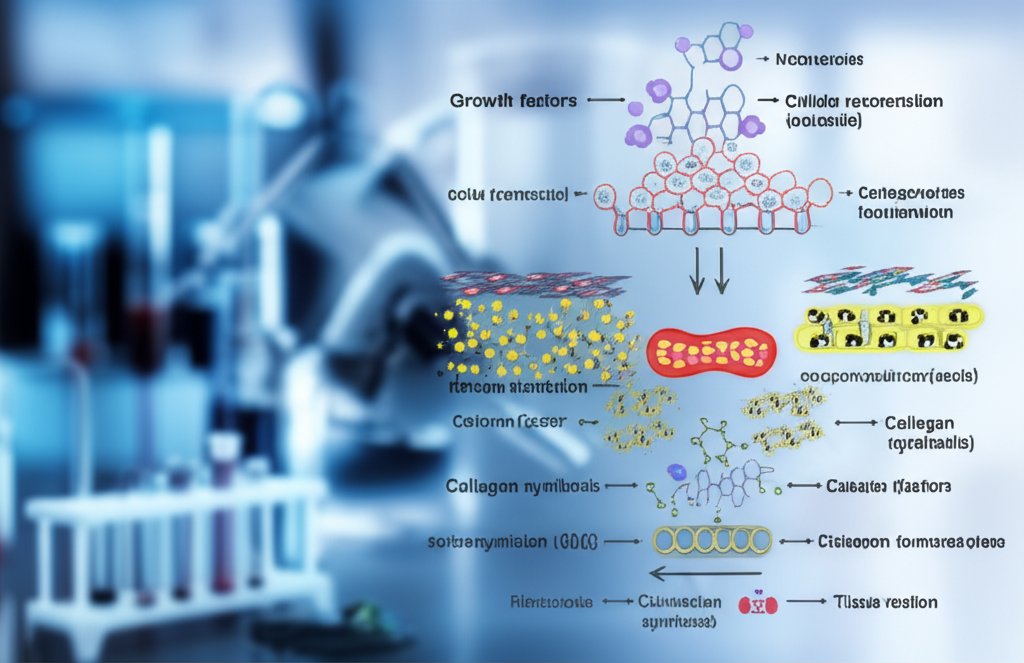
wolverine peptides will amaze you.
Stacking is nothing new and has become extremely popular. It’s the act of combining two or more peptides to reach a desired result.
What is the Wolverine peptide?
Also known as Wolverine Protocol, it’s the combination of BPC-157 and TB-500. It’s a peptide stack that targets muscles, tendons, and ligaments.
Researchers and athletes have looked for various ways to support strains and joint issues. They have found that the wolverine peptide stack is the answer.
Are you wondering how this stacking works? Interested in the science behind accelerated tissue repair?
BPC-157 supports the repair of tendons and ligaments. TB-500 enhances cell migrations and reduces inflammation. Combining the two forms a synergy that potentially regenerates tissue. Many believe it delivers more than the individual peptides do.
This guide will discuss the effectiveness of this peptide stack for injury repair. It will reveal both peptide mechanisms and their potential benefits. We’ll also share some practical uses in safe research or experimental contexts.
Are you curious about the best sources for experiments? At Spartan Peptides, we offer quality products for research. These peptides include BPC-157 and TB-500.
Understanding BPC-157: “The Body Protection Compound”
BPC-157, also known as body protection compound, is a synthetic peptide. This compound, derived from human gastric juice, has gained much attention.
Why has it become so popular? It has notable tissue repair properties and angiogenesis abilities. These features could potentially aid acceleration of muscle, tendon, and ligament healing.
In addition, this peptide also appears to influence nitric oxide. This action enhances the blood flow and cell migration. Both features form a critical part of healing.
Wolverine peptide promotes these repairs by enhancing vascular growth. It also supports collagen synthesis. It’s a process that could improve the function and health of fibroblasts. These effects can potentially help regenerate damaged tissue rapidly and effectively.
Have you realized that certain tendon injuries may take months to heal? Preclinical studies show that BPC-157 benefits could speed up the recovery process.
Animal research shows rapid recovery from muscle, ligament, and tendon injuries. It reduces pro-inflammatory cytokines and decreases COX-2. These actions ease inflammation, which could delay healing.
BPC-157’s anti-inflammatory properties also support joint healing. Human research data are still emerging. However, early findings show the potential of peptides for injury repair.
The key mechanism of BPC-157 involves increasing VEGF levels, which improves blood flow. This action also enhances tissue oxygenation. It improves “local repair” responses. Combined with TB-500, it could amplify the recovery process.
BPC-157 also displayed potential benefits in aiding nerve regeneration. Research reveals a reduction in neuronal damage with improved recovery after stroke.
As a researcher, you require high-quality products. At Spartan Peptides, we provide research-grade BPC-157. It’s important to remember that the dosage, model, and study design will affect the results.
TB-500: “The tissue repair accelerator”

TB-500 is a synthetic version of Thymosin Beta-4, a naturally occurring peptide. Its primary mechanism involves regulating the protein actin. It encourages cell migration and tissue regeneration.
Have you noted the rapid repair of damaged muscles? TB-500, the other half of wolverine peptide, may be the answer.
TB-500 promotes tissue restructuring while reducing inflammation. It regulates actin within cells, which improves the movement to the injured area. Angiogenesis becomes stimulated through the enhancement of VEGF pathways.
The development of these new blood vessels improves blood flow. It then increases the delivery of oxygen and nutrients to damaged tissue. Angiogenesis therefore plays an important role in efficient healing.
Certain animal studies highlight TB-500’s effectiveness. It plays an important role in tendon, ligament, and muscle repair. Other research involving animals also displayed wound healing properties.
Currently, there are very few human case studies. Researchers continue to explore the potential of peptides for injury repair, including TB-500.
This peptide promotes anti-inflammatory properties, which influence macrophages. The action enhances cellular migration and tissue repair.
The impact potentially speeds up the healing process. It also protects these cells from future harm. It defends them against bacteria and viruses.
When combining BPC-157 and TB-500’s benefits, this Wolverine Protocol displays synergistic effects. It unites local vascular support with systemic regeneration.
At Spartan Peptides, we offer pure TB-500 for research. It helps support experimental consistency.
The science behind the stack: “Why BPC-157 + TB-500 works better together”
Why combine BPC-157 and TB-500?
Each peptide has its own yet similar mechanism. When combined, these features create a unique synergy. TB-500 provides systemic support by regenerating tissue.
They both display therapeutic potential. BPC-157 focuses on “local healing,” working at the injured area when administered there.
The combination potentially supports a faster recovery.
Synergistic effects
The regeneration of tissue and reduced inflammation could speed up healing. The faster recovery applies to soft tissue such as muscles, tendons and ligaments.
The synergistic effects include the following:
- Angiogenesis: Both TB-500 and BPC-157 promote angiogenesis, forming new blood vessels. The process optimizes blood flow to injured areas. It is significant in healing muscles and other soft tissue.
- Collagen formation: These peptides also boost collagen formation. This helps promote tissue repair, which could aid rapid healing.
- Tissue remodeling: As it supports blood flow and reduces inflammation, it rebuilds tissue. Fibroblast migration, increased collagen, and angiogenesis also contribute to this process.
- Reduced inflammation and pain: Combined, this stack can ease chronic and acute inflammatory responses.
These effects could potentially accelerate the repair process, improving functional outcomes.
Accelerate recovery
Wolverine peptide stack for injury repair could speed up recovery. The healing occurs faster than the single-use option. Anecdotal evidence supports both substances as agents of swift healing.
Wolverine peptide also shows anti-inflammatory effects and actions that protect cells. It contributes to faster recovery.
Research
Emerging evidence suggests that these peptides may improve cardiovascular and neurovascular resilience. While there are limited human trials, the enhancement of tissue repair appears promising.
The effects of the Wolverine peptide are largely based on anecdotal reports. Further evidence comes from research with animals. BPC-157 shows reduced inflammation, angiogenesis, and rapid healing of soft tissue. TB-500 contributes to the repair and regeneration of damaged cells.
Administration and dosage considerations: “Maximizing recovery safely”

How is Wolverine Protocol administered for research? While there is no approved BPC-157 TB-500 dosage, there are anecdotal amounts.
Dosage
The dosage of wolverine peptide varies. BPC-157 is between 250 to 500 mcg per day. The dose of TB-500 is only a few mg per week. The method of administration varies, with subcutaneous injections being the most popular option. Larger muscles may require an intramuscular shot.
Certain studies have administered BPC-157 orally. The technique used is vital to ensure accuracy and safety. Researchers should exercise great care when administering these peptides.
A rest period after this cycle helps the participants’ bodies to reset. Adverse reactions may also surface during this time.
There may also be different schedules for the two peptides. Some may administer TB-500 weekly and BPC-157 daily near the injured area. Tapering is then required after the dosing period.
Experimental cycles could last between 4 to 6 weeks. Where needed, make necessary adjustments.
Safety considerations
They should use sterile equipment to avoid the risk of infection after injections. Alter the sites where shots occur and monitor progress. To safely use peptides for injury repair, watch for fatigue or redness.
The side effects reported are mild. It may include nausea and headaches. Whether administered orally, subcutaneously, or intramuscularly, BPC-157 appears to be well-tolerated.
The same applies to TB-500, although there is a lack of evidence from clinical trials. Both peptides appear to have safe profiles. Yet, there is no data to support long-term safety.
Following proper safety measures ensures reliable results.
There is a lack of evidence regarding possible drug interactions. Researchers should exercise care with individuals exposed to multiple prescription drugs. Also, proceed cautiously with patients who have complex comorbidities or receive immunosuppressive treatment.
For enhanced effect, combine wolverine peptide with good nutrition and exercise. Physical therapy may also boost the effect.
Spartan Peptides provides high-quality guidance and dosing protocols. We are a trusted source of premium-grade peptides for research. Study results will vary depending on the participants, design, and peptide purity.
Target users and applications: “Who can benefit from Wolverine Protocol?”
Amidst the limited human data, clinical studies conducted on animals revealed positive results. These were improvements observed among those with muscle, tendon, and ligament injuries.
One human study revealed an improvement in knee pain after BPC-157 injection. There was 87.5% recovery recorded. Other anecdotal evidence supports it as a potential aid in repairing injured tissue.
Who then can benefit from Wolverine Protocol? Athletes and individuals who are physically active. With their potential faster recovery, these individuals can return to training faster.
BPC-157 benefits include supporting local repair. Combined with TB-500 benefits of systemic healing may aid many injured athletes.
Based on current research, the following injuries may find wolverine peptide potentially useful:
- Tendon: Achilles tendon injuries or damage to the rotator cuff.
- Ligament: Tears and sprains
- Muscle: Muscle trauma, tears, and sprains
- Bone related: Bone fractures. Supported healing around the bone.
- Joint and cartilage: The area where joint injury occurs. Stressed cartilage resulting from tendon or ligament damage.
- Post-surgery recovery: Assisted recovery post-surgery.
Patients receiving physical therapy may recover faster. Athletes recovering from injuries such as tears and sprains are ideal candidates.
Research and development labs studying tissue repair have also explored this stack. ACL strains and rotator cuff tears have shown potential improvement in preclinical trials.
The research context and observations play a critical role in obtaining optimal results. The experimental reliability depends on the personalized protocol and careful monitoring.
There are other potential applications of the wolverine peptide. These alternatives include regenerative medicine and anti-aging treatment. The motivation behind the experimental use is the mechanism of action. It includes processes such as tissue repair.
To help ensure successful studies, Spartan Peptides offers high-quality Wolverine peptides. Suitable for research, it ensures consistent results.
Unlock faster recovery with peptide science
Wolverine Protocol is a combination of BPC-157 and TB-500. Like its name, it describes the stack’s potential for regeneration as rapid.
Certain research observed rapid recovery. The synergy in combining these peptides for injury repair included angiogenesis. It also encompasses collagen formation and collagen regeneration.
Researchers invested in learning more about wolverine peptides can explore Spartan peptides. We source pure quality products ideal for research studies. Informed and responsible experimental research could enhance the benefits while ensuring safety.
Closely monitor new studies relating to wolverine peptides. Remaining informed helps you keep up to date with the rapidly developing world of science. Understanding the mechanisms and applying protocols can enhance your research. It can assist labs in exploring innovative ways to speed up healing.
As research progresses, Wolverine Protocol will become a definitive feature in peptide therapy.
Are you ready to take your research to the next level? Spartan Peptides’ BPC-157 and TB-500 offering is an excellent place to start.
Frequently Asked Questions About the Wolverine Protocol (BPC-157 + TB-500)
Q: What is the Wolverine Protocol in peptide research?
A: The Wolverine Protocol refers to the combined use of BPC-157 (Body Protection Compound 157) and TB-500 (a synthetic version of Thymosin Beta-4) in research settings. Studies suggest this stack may promote synergistic tissue repair and recovery, with BPC-157 targeting local healing and TB-500 providing broader systemic regenerative support.
Q: What is BPC-157 and what does research show about it?
A: BPC-157 is a 15-amino acid peptide fragment derived from a protein found in gastric juice. Preclinical studies have demonstrated its potential in accelerating healing of tendons, ligaments, muscles, and gut tissue. Research suggests it promotes angiogenesis (new blood vessel formation) and upregulates growth hormone receptors in tendons.
Q: What is TB-500 and how does it differ from Thymosin Beta-4?
A: TB-500 is a synthetic peptide corresponding to the active region of Thymosin Beta-4, a naturally occurring protein that regulates actin polymerization, cell migration, and tissue repair. TB-500 has a shorter amino acid sequence but is believed to retain the key regenerative properties of the full protein based on available preclinical research.
Q: Is the BPC-157 + TB-500 stack safe for research use?
A: All research involving BPC-157 and TB-500 should be conducted according to institutional guidelines and safety protocols. Current preclinical data suggests a favorable safety profile in animal models, but these peptides are not approved for human use. Researchers must adhere to all applicable regulations regarding peptide research.
Q: How should the Wolverine Protocol peptides be stored?
A: Both BPC-157 and TB-500 should be stored as lyophilized (freeze-dried) powder at -20°C for long-term stability. Once reconstituted with bacteriostatic water, they should be refrigerated at 2–8°C and used within 28 days. Protect from light and avoid repeated freeze-thaw cycles.
Related Research Resources
- Wolverine BPC-157/TB-500 stack product
- BPC-157 product page
- Thymosin Beta-4 product
- What Are Peptides: Complete Research Guide
Ready to advance your Wolverine Stack (BPC-157 + TB-500) research?
Spartan Peptides offers ≥98% purity Wolverine Stack (BPC-157 + TB-500) with full in-house purity verification and in-house quality testing.
⚠️ Research Use Only — Not for Human Consumption
The peptides discussed in this article are intended for laboratory and research purposes only. They are not intended for human consumption. All information presented is based on published preclinical research and is provided for educational purposes only.

Our team of peptide researchers and biochemists reviews every article for scientific accuracy. Learn more about our team →