
Thymosin Alpha‑1 vs Beta‑4: Immune-Boosting Peptides Explained

Written bySpartan Research Team
At Spartan Peptides, we often get asked about thymosin beta 4 vs alpha 1 – what’s the difference, and which peptide is better for immunity? Both Thymosin Alpha-1 (Tα1) and Thymosin Beta-4 (Tβ4, also known by its research name TB-500) are powerful immune modulating peptides derived from the thym
🔬 Key Research Findings
- At Spartan Peptides, we often get asked about thymosin beta 4 vs alpha 1 – what’s the difference, and which peptide is better for immunity?
- In this article, we’ll compare Tα1 vs TB-500 in depth, exploring their mechanisms, benefits, and research use cases.
- By the end, you’ll understand how these thymosin peptides for immunity work and how researchers are leveraging them to strengthen immune function.
- Thymosin Alpha-1 is a 28-amino-acid peptide originally isolated from the thymus (the organ that programs our immune cells).
- It is best known for boosting immune system activity – in fact, Tα1 has long been recognized for its ability to modify, enhance, and restore immune function .
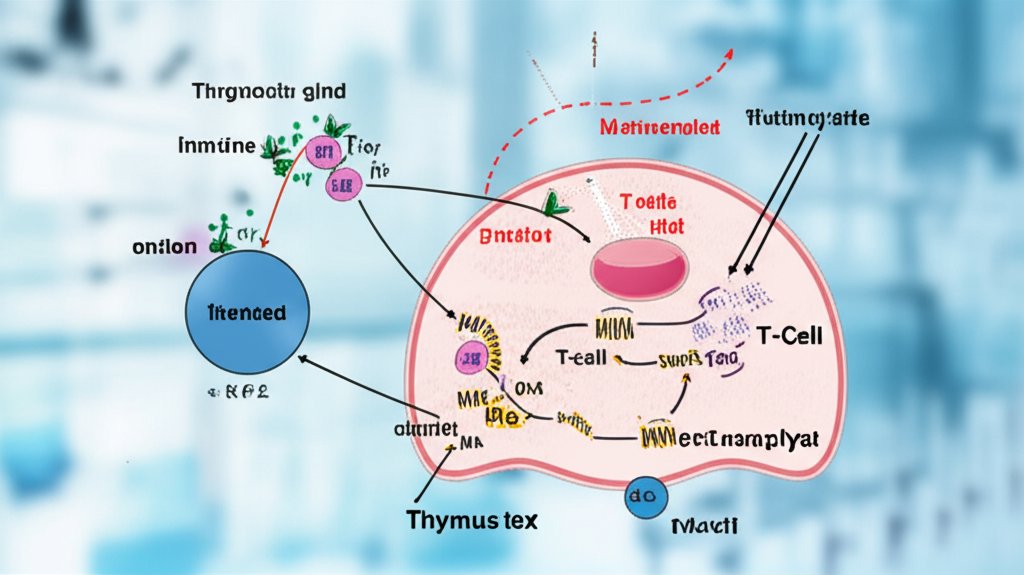
us gland. Each plays a unique role in supporting immune health. In this article, we’ll compare Tα1 vs TB-500 in depth, exploring their mechanisms, benefits, and research use cases. By the end, you’ll understand how these thymosin peptides for immunity work and how researchers are leveraging them to strengthen immune function. Let’s dive in.
Researchers may also find relevant context in our guide to The Complete Guide to Peptide Stacking: How to Combine Research Peptides for Maximum Results.
What is Thymosin Alpha-1 (Tα1)?
Thymosin Alpha-1 is a 28-amino-acid peptide originally isolated from the thymus (the organ that programs our immune cells). It is best known for boosting immune system activity – in fact, Tα1 has long been recognized for its ability to modify, enhance, and restore immune function. Thymosin Alpha-1 has been used to help immunocompromised patients fight infections and even as an adjuvant to improve vaccine responses.
How does Thymosin Alpha-1 work? Tα1 essentially acts as an immune system trainer. It interacts with various immune cells – including T cells, B cells, macrophages, and natural killer cells – largely by binding to Toll-like receptors on these cells. By activating these receptors (such as TLR3, TLR4, and TLR9), Thymosin Alpha-1 triggers downstream signaling (IRF3, NF-κB pathways) that promote immune cell activation and cytokine production. In simple terms, Thymosin Alpha-1 stimulates T-lymphocyte activity and maturation, enhances antiviral and antimicrobial responses, and helps coordinate both innate and adaptive immunity. This immunostimulatory effect is why Tα1 has been used as an immune enhancer in viral diseases like hepatitis and even HIV.
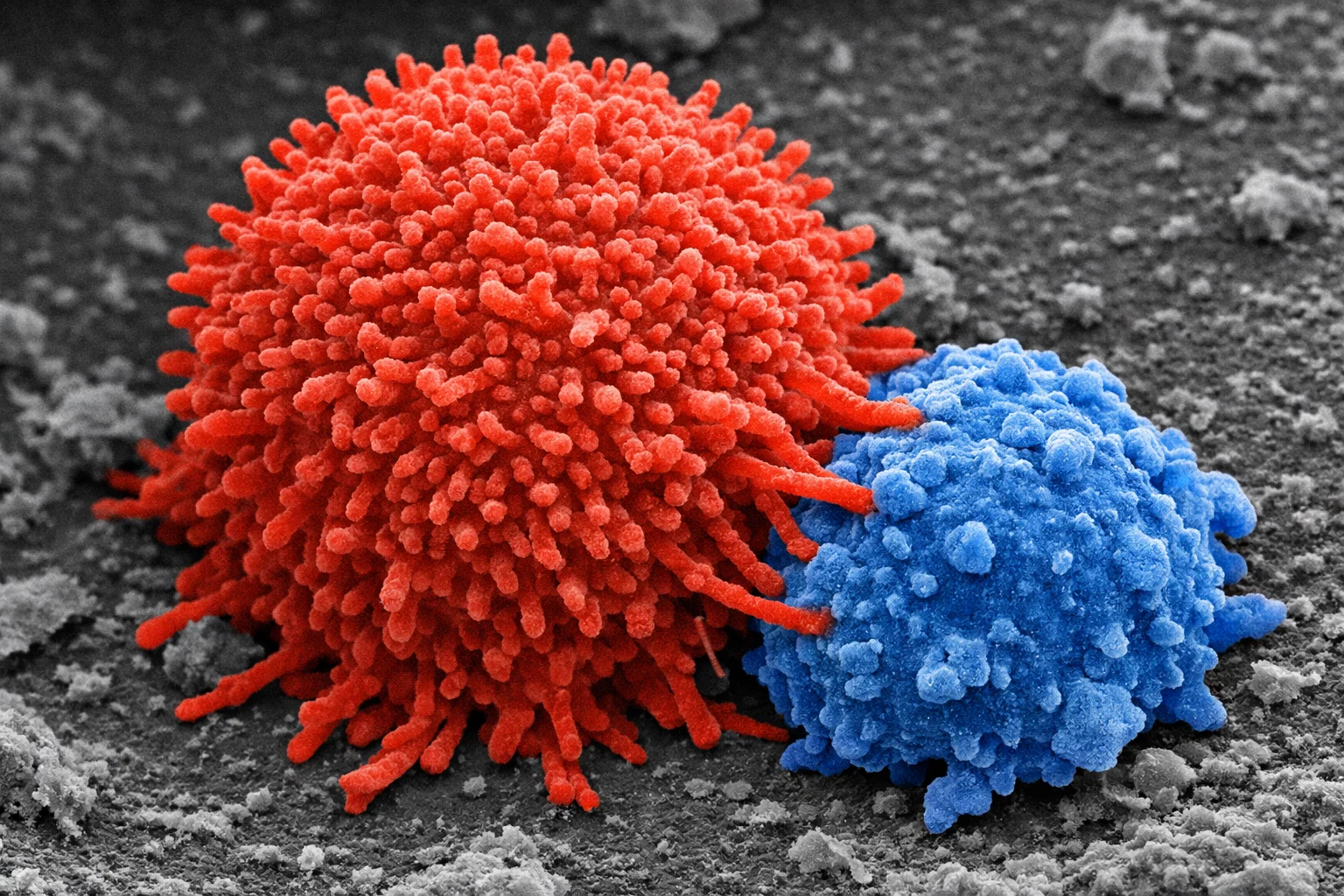
At Spartan Peptides, we’re deeply familiar with Thymosin Alpha-1’s science-backed benefits.) Research suggests Tα1 can increase T-cell counts, boost antibody production, and improve the body’s response to infections. It’s even being explored in cancer immunotherapy and as a supportive therapy in conditions like chronic hepatitis and sepsis. Overall, Thymosin Alpha-1 is “the immune modulator” – it primarily ramps up immune function to help the body fight off threats.
What is Thymosin Beta-4 (TB-500)?
🧪 Available for Research
Thymosin Alpha-1 is available as a research-grade compound at Spartan Peptides. Each unit ships with an independent Certificate of Analysis confirming ≥98% purity via HPLC verification.
Thymosin Beta-4 is a 43-amino-acid peptide found throughout the body, also originally from the thymus. Unlike Tα1, Tβ4 is renowned for its regenerative and repair functions more than direct immune stimulation. In the research community, Tβ4 is often referred to as TB-500. This peptide plays a vital role in tissue repair and recovery: it’s released at sites of injury to protect cells and accelerate healing. Notably, Thymosin Beta-4 helps reduce inflammation and fibrosis while promoting new blood vessel formation (angiogenesis) and cell migration for wound repair.
How does Thymosin Beta-4 work? One of Tβ4’s key actions is binding to actin, a protein involved in cell movement. By doing so, Tβ4 signals tissues to mobilize cells (including stem cells) to the injury site and form new blood vessels, effectively speeding up regeneration. Importantly, Thymosin Beta-4 also has immune-modulating effects, especially in the context of injury and inflammation. After an injury, Tβ4 is released by platelets and immune cells like macrophages to protect tissues from further damage and to reduce cell death, inflammation, and even microbial growth at the wound site. In other words, Tβ4 helps create a pro-healing environment: it calms excessive inflammation and guards against infection while facilitating repair.
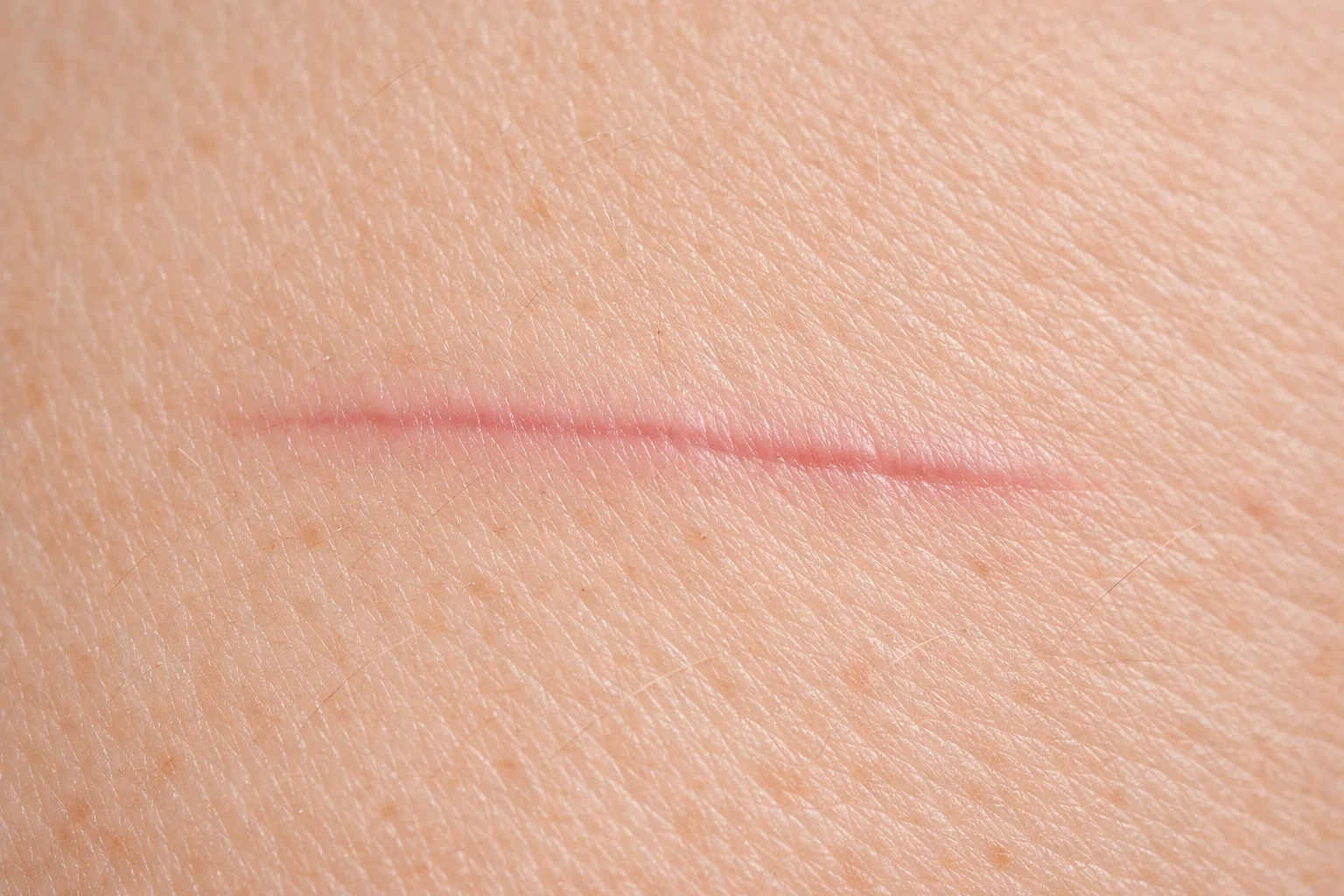
Researchers have documented Tβ4’s impressive benefits in various models: it accelerates skin wound healing, improves repair of the cornea after burns, and even shows promise in heart and brain tissue regeneration. By reducing inflammatory cytokines and scar formation, Thymosin Beta-4 supports a more efficient healing process.)
While Tβ4 is not typically described as an “immune booster” in the same way Tα1 is, it modulates the immune response indirectly. For example, studies indicate Thymosin Beta-4 can down-regulate excessive inflammation in severe immune reactions. In a preclinical study of septic shock (a life-threatening inflammatory response to infection), administering Tβ4 significantly lowered inflammatory cytokine levels and improved survival. Tβ4 also appears to have broad roles in innate immunity, with research (even in animal models) showing it helps organisms fight off bacterial infections while healing wounds. Taken together, Thymosin Beta-4 acts as “the recovery peptide” – primarily promoting tissue repair and reducing inflammation, which in turn supports the immune system’s ability to restore health.
Researchers may also find relevant context in our guide to Quality Control in Peptide Research: Interpreting Purity and Lab Tests.
Thymosin Alpha-1 vs Thymosin Beta-4: Key Differences in Immune Modulation
Both Thymosin Alpha-1 and Thymosin Beta-4 are peptides for immune health, but they work in complementary ways:
- Mechanism of Action: Thymosin Alpha-1 directly activates immune cells. It boosts the production and activity of T cells, B cells, and natural killer cells, leading to a stronger immune attack against viruses, bacteria, and even tumor cells. In contrast, Thymosin Beta-4’s action is more indirect – it regulates the immune response to injury, controlling inflammation and orchestrating tissue repair. Tα1 is like an immune system teacher (upregulating immune defenses), whereas Tβ4 is like a first responder medic (reducing damage and fostering healing). Both are immune-modulating peptides, but Tα1 skews toward immune activation while Tβ4 skews toward immune recovery.
- Primary Benefits: Tα1’s benefits center on immune enhancement. Research shows it can increase thymus activity, enhance vaccine effectiveness, and improve clearance of chronic infections. It’s being studied as a therapy for conditions where immunity is weakened or dysregulated (from viral diseases to certain cancers). Tβ4’s benefits center on regeneration and inflammation control. It significantly speeds up wound healing, reduces scar formation, and has anti-fibrotic effects in organs like the heart, liver, and kidneys. By damping excessive inflammation (for example, in the brain or gut), Tβ4 may help in conditions like traumatic injuries or inflammatory diseases. In summary, **Thymosin Alpha-1 vs TB-500 is immune boosting vs healing: Tα1 ramps up the active immune response, whereas Tβ4 creates conditions for faster recovery and resilience.
- Use Cases in Research: Thymosin Alpha-1 (Tα1) is widely used in research on immune therapies. Scientists are exploring it in vaccine adjuvant studies, antiviral treatments (e.g. for hepatitis B/C or HIV), and cancer immunotherapy trials, thanks to its ability to enhance T cell function and immune surveillance. Thymosin Beta-4 (TB-500) is prominent in research on tissue repair and recovery – such as healing chronic wounds, improving cardiac repair after heart attacks, treating eye injuries, and even regenerating nerve tissue. Notably, its role in mitigating inflammation means it’s being looked at for autoimmune or inflammatory conditions as well. There’s also interest in combining these peptides: since Tα1 and Tβ4 operate on different aspects of immunity, researchers theorize that together they might provide synergistic support – one to energize the immune system, the other to resolve damage and inflammation.
- Safety and Regulation: Both thymosin peptides are still investigational in many countries (with the exception of some approved uses of Tα1 in certain regions for hepatitis or as an immune adjuvant). At Spartan Peptides, we supply these compounds, emphasizing purity and quality. This commitment to ethical research use aligns with E-E-A-T principles – providing Experience, Expertise, Authoritativeness, and Trustworthiness in every reference and product we offer. We ensure that any claims about Tα1 or Tβ4 are backed by peer-reviewed science, and we encourage researchers to stay updated on the latest findings as these peptides advance toward potential therapeutic applications.
Harnessing Thymosin Peptides for Immunity and Healing
In summary, Thymosin Alpha-1 and Thymosin Beta-4 are two distinct yet complementary peptides for immune health. Tα1 serves as the immune system’s coach, training and boosting our defenses, whereas Tβ4 acts as the healer, mending tissues and keeping inflammation in check. Both peptides exemplify the cutting edge of immune modulation research, and together they embody a holistic approach: strengthen the body’s defenses while also repairing the foundation.
At Spartan Peptides, we take pride in our first-hand experience and expertise with these compounds. We prioritize quality and scientific integrity, ensuring that when you explore thymosin peptides with us, you do so with confidence in their purity and backing evidence (E-E-A-T).com/products/peptide/”>Thymosin Beta-4 offerings.
Ultimately, whether the aim is to bolster immune response or accelerate healing, these thymosin peptides provide exciting avenues for scientific discovery. As always, Spartan Peptides is here to support your journey with high-quality products and informed guidance – helping you unlock the full potential of immune-modulating peptides in a responsible, research-driven way.
FAQ: Thymosin Alpha-1 vs Thymosin Beta-4
Q: What is the difference between Thymosin Beta-4 and Thymosin Alpha-1?
A: Thymosin Alpha-1 (Tα1) and Thymosin Beta-4 (Tβ4) are both thymus-derived peptides, but they serve different roles. Tα1 is primarily an immune booster – it activates immune cells and enhances the body’s defense against infections. Tβ4 is primarily a repair and recovery agent – it promotes tissue healing, reduces inflammation, and helps the immune system by repairing damage. In short, Tα1 ramps up immune response, while Tβ4 helps the body recover and supports immune health indirectly through healing.
Q: Is Thymosin Beta-4 the same as TB-500?
A: Yes. TB-500 is the research name often used for synthetic Thymosin Beta-4. Both refer to the same peptide. In labs, TB-500 is simply Thymosin Beta-4 formulated for research use. The name “TB-500” is commonly used in peptide research circles, but it’s identical in structure and function to natural Thymosin Beta-4.
Q: Which is better for immune support, Thymosin Alpha-1 or Thymosin Beta-4?
A: It depends on the goal. Thymosin Alpha-1 is better for directly boosting immune function – for example, improving T cell activity and antiviral responses. Thymosin Beta-4 is better for supporting recovery and indirectly aiding immunity – for instance, by healing injuries faster and controlling inflammation (which prevents chronic immune stress). In many cases, they aren’t mutually exclusive; researchers might use Tα1 to strengthen immune defenses and Tβ4 to promote healing, as these peptides complement each other’s effects.
Q: Can Thymosin Alpha-1 and Thymosin Beta-4 be used together in research?
A: Potentially, yes. There is growing interest in using these immune-modulating peptides together because they address different aspects of immune health. Tα1 (Thymosin Alpha-1) could enhance immune cell responses, while Tβ4 (Thymosin Beta-4) could manage inflammation and repair tissue damage. Combined, they might offer a more comprehensive approach to supporting the immune system. Of course, any combined use should be approached carefully in a research setting, and more studies are needed to determine optimal conditions for co-administration.
Frequently Asked Questions About Thymosin Alpha-1 and Thymosin Beta-4
Q: What is the difference between Thymosin Alpha-1 and Thymosin Beta-4?
A: Thymosin Alpha-1 (Tα1) is a 28-amino acid peptide derived from Thymosin Fraction 5 that primarily modulates immune function by promoting T-cell maturation and enhancing the body’s response to infections and immune challenges. Thymosin Beta-4 (TB4) is a 43-amino acid peptide involved in actin regulation, cell migration, and tissue repair. While both are immunologically relevant, their primary research applications differ significantly.
Q: What does research show about Thymosin Alpha-1’s immune effects?
A: Research indicates that Thymosin Alpha-1 enhances innate immunity by activating dendritic cells and promoting Th1-type immune responses. It has been approved as a pharmaceutical in over 35 countries (as Zadaxin) for hepatitis B, hepatitis C, and as an adjuvant to vaccines and cancer treatment. Studies suggest it can restore immune function in immunocompromised states.
Q: How does Thymosin Beta-4 support tissue repair in research?
A: Thymosin Beta-4 regulates actin polymerization, which is fundamental to cell motility and tissue repair. Research suggests it promotes wound healing, angiogenesis, cardiomyocyte survival after ischemia, and stem cell recruitment to injury sites. Multiple clinical trials have investigated TB4 for cardiac repair and wound healing applications.
Researchers may also find relevant context in our guide to TB-500 (Thymosin Beta-4): The Complete Research Guide to Recovery and Repair.
Q: Can Thymosin Alpha-1 and Thymosin Beta-4 be studied together?
A: Research combining Thymosin Alpha-1 and Beta-4 is an emerging area. Thymosin Alpha-1 addresses immune optimization while Beta-4 targets tissue repair, suggesting potentially complementary applications in research on recovery and immune support. However, combined protocols should be designed carefully according to research objectives and safety protocols.
Q: What purity standards should researchers expect for thymosin peptides?
A: High-quality thymosin peptides should have purity levels ≥98% as confirmed by HPLC analysis, with identity verification via mass spectrometry. Reputable suppliers provide Certificates of Analysis from independent in-house labs. Lower purity peptides may contain impurities that compromise research outcomes.
Related Research Resources
- Thymosin Alpha-1 product
- Thymosin Beta-4 product
- Thymosin Alpha-1: Boosting Immune Response in Research
- Peptides in Autoimmune Research
Ready to advance your Thymosin Alpha-1 research?
Spartan Peptides offers ≥98% purity Thymosin Alpha-1 with full in-house purity verification and in-house quality testing.
Shop Thymosin Alpha-1 →
⚠️ Research Use Only — Not for Human Consumption
The peptides discussed in this article are intended for laboratory and research purposes only. They are not intended for human consumption. All information presented is based on published preclinical research and is provided for educational purposes only.
References
PubMed Citations:
- Espinar-Buitrago A, et al. “Immune modulation via dendritic cells by the effect of Thymosin-alpha-1 on immune synapse in HCMV infection.” International immunopharmacology. 2023. PMID: 38149577
- Bersanelli A, et al. “The right immune-modulation at the right time: thymosin α1 for prevention of severe COVID-19 in cancer patients.” Future oncology (London, England). 2021. PMID: 33538178
- Simonova A, et al. “Aging and Thymosin Alpha-1.” International journal of molecular sciences. 2025. PMID: 41373628
- Bai A, et al. “Thymosin α1 modulated the immune landscape of COVID-19 patients revealed by single-cell RNA and TCR sequencing.” International immunopharmacology. 2023. PMID: 37769533
- Dinetz A, et al. “Comprehensive Review of the Safety and Efficacy of Thymosin Alpha 1 in Human Clinical Trials.” Alternative therapies in health and medicine. 2024. PMID: 38308608
- Espinar-Buitrago A, et al. “The use of alpha 1 thymosin as an immunomodulator of the response against SARS-Cov2.” Immunity & ageing : I & A. 2023. PMID: 37408063
Written by the Spartan Research Team
Our team of peptide researchers and biochemists reviews every article for scientific accuracy. Learn more about our team →