
Comprehensive Recovery Research Protocol: BPC-157, TB-500 and GHK-Cu for Tissue Repair

Written bySpartan Research Team
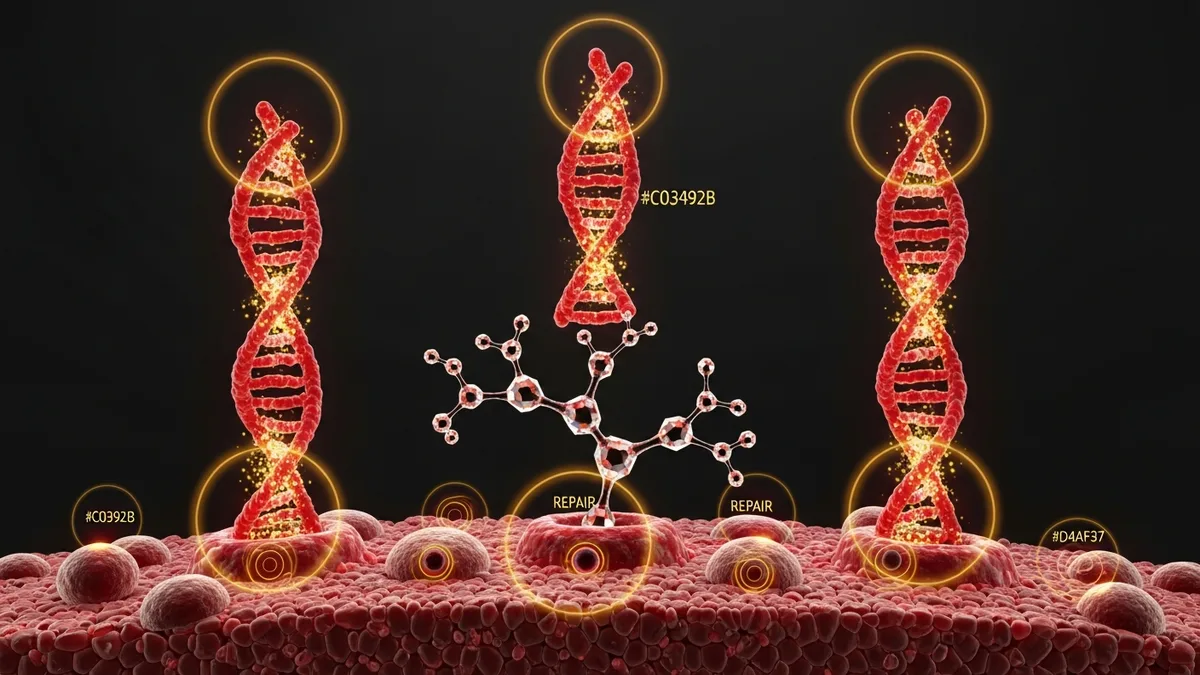
Most tissue-repair research focuses on a single compound at a time. That makes sense for isolating mechanisms, but it doesn’t reflect how repair biology actually works. Tendons, muscle fibers, fascia, skin, and connective tissue all draw on overlapping processes: growth factor signaling, extracellular matrix remodeling, angiogenesis, and inflammatory regulation. The Comprehensive Recovery Research Protocol brings together three peptides that hit those processes at different points: BPC-157, TB-500, and GHK-Cu. Each compound has its own documented mechanism; the three together cover a broader repair landscape than any one alone.
This guide covers the molecular biology behind each compound, the preclinical research on their complementary actions, and the practical research considerations for working with this stack. The Comprehensive Recovery Research Protocol is available as a pre-assembled kit from Spartan Peptides.
Key Research Findings at a Glance
- BPC-157 (pentadecapeptide derived from human gastric juice) has been shown to upregulate VEGF expression and accelerate tendon-to-bone junction remodeling in rat Achilles transection models. Seiwerth et al. reviewed over two decades of wound-healing data from the Sikiric group in a 2021 Frontiers in Pharmacology paper. PMID: 34267654
- Thymosin beta-4 (the parent protein of the TB-500 fragment) sequesters G-actin through a WH2 domain interaction, modulating actin polymerization dynamics and enabling directional cell migration. Ying et al. (2023) mapped these binding modes in detail. PMID: 36464872
- GHK-Cu (glycyl-L-histidyl-L-lysine:copper(II)) has been documented to modulate more than 4,000 human genes, including upregulation of collagen type I and III synthesis pathways. Pickart et al. reviewed this in Biomedical Research International (2015). PMID: 26236730
- In a 2026 American Journal of Sports Medicine primer, Mayfield et al. identified BPC-157, TB-4/TB-500, and GHK-Cu as the three injectable peptides with the strongest preclinical evidence for musculoskeletal repair applications, confirming the complementary scope of these compounds. PMID: 41476424
Molecular Biology: Three Compounds, Three Entry Points
Understanding why this stack is studied as a combination requires a working model of how each compound interacts with repair biology. They’re not redundant. Each peptide enters the repair cascade at a different node.
BPC-157: Growth Factor Amplifier and Vascular Organizer
BPC-157 is a 15-amino-acid sequence (Gly-Glu-Pro-Pro-Pro-Gly-Lys-Pro-Ala-Asp-Asp-Ala-Gly-Leu-Val) first isolated from human gastric juice. It’s not a fragment of any known growth factor, which made it a research curiosity for years. What emerged from the Sikiric group’s systematic work is that BPC-157 appears to function as a context-sensitive regulator of growth factor expression rather than acting directly at a receptor.
The primary documented mechanism involves VEGF (vascular endothelial growth factor) upregulation. In multiple animal models, BPC-157 administration has been followed by increased capillary density at injury sites, consistent with VEGFR2-mediated signaling. The peptide also appears to interact with the NO (nitric oxide) system: some models show eNOS upregulation under BPC-157 treatment, which would contribute to vasodilation and tissue perfusion at repair sites. A third mechanism involves FAK (focal adhesion kinase) and paxillin signaling, which are important for cell adhesion and migration during wound closure.
On the tendon side specifically, BPC-157 models have documented accelerated collagen fiber organization, faster biomechanical strength recovery, and reduced fibrosis relative to controls. The Seiwerth and Sikiric review from 2021 summarizes the full wound-healing dataset, including skin, tendon, ligament, bone, and muscle injury models across a body of work spanning from the early 1990s forward. The consistency across model types is what makes BPC-157 interesting from a research perspective. PMID: 34267654
One thing worth noting: BPC-157’s effects in GI models are separate from its musculoskeletal effects, but both seem to involve the same upstream signaling pathways (VEGF, NO, cytokine modulation). That breadth is unusual for a 15-amino-acid peptide and is part of why the research community keeps coming back to it.
TB-500: The Actin-Binding Migration Enabler
TB-500 is a synthetic fragment of the naturally occurring protein thymosin beta-4 (Tβ4). Specifically, it corresponds to the Ac-LKKTETQ region of Tβ4, which contains the core WH2 (Wiskott-Aldrich syndrome protein homology 2) actin-binding motif. This is where the mechanism starts: Tβ4 (and by extension, TB-500) sequesters globular (G)-actin in a 1:1 stoichiometry, preventing it from polymerizing into filamentous (F)-actin.
Why does that matter for tissue repair? Because cell migration requires coordinated actin dynamics at the leading edge. When a tissue injury signals surrounding cells to move in and fill the gap, that movement depends on cycles of actin polymerization and depolymerization at the cell periphery. By modulating the available G-actin pool, TB-500 influences how effectively cells can migrate toward injury sites. This is the cellular mechanics angle, and it’s distinct from anything BPC-157 or GHK-Cu does.
The Ying et al. 2023 review in Current Protein and Peptide Science is probably the most thorough current treatment of the Tβ4 actin-binding mechanism. They map the binding interface, discuss how different beta-thymosin family members compare, and review clinical data where it exists (mostly cardiac repair). PMID: 36464872
TB-500 also shows angiogenic activity independent of the actin mechanism. Lv et al. (2020) demonstrated that Tβ4 induces new blood vessel formation in a critical limb ischemia model via Notch/NF-κB pathway regulation. PMID: 32945357. This complements BPC-157’s VEGF-driven angiogenesis; they appear to reach the same vascular outcome through different upstream signals.
GHK-Cu: The Collagen and Remodeling Director

GHK-Cu (glycyl-L-histidyl-L-lysine chelated to copper(II)) is a naturally occurring tripeptide-copper complex found in human plasma, saliva, and urine. Plasma concentrations decline with age, which has driven research interest in the compound as a remodeling regulator. The copper component isn’t just structural. It’s functionally critical: the copper ion is required for GHK’s activity in collagen synthesis upregulation, lysyl oxidase activation (the enzyme that cross-links collagen and elastin fibers), and superoxide dismutase-like antioxidant activity.
Pickart’s 2008 review in Journal of Biomaterials Science was the first comprehensive look at GHK’s gene regulatory effects. PMID: 18644225. The 2015 update in Biomedical Research International expanded this picture substantially, documenting GHK-Cu’s modulation of over 4,000 human genes including upregulation of collagen I, III, and IV, fibronectin, and laminin synthesis pathways, alongside downregulation of several pro-inflammatory cytokine genes. PMID: 26236730
The Ma et al. 2020 paper from Life Sciences demonstrated GHK-Cu’s protective effects in a bleomycin-induced pulmonary fibrosis model, with significant reductions in oxidative stress markers and inflammatory cytokines (TNF-α, IL-6, IL-1β) compared to untreated controls. PMID: 31809714. While that’s a lung fibrosis model rather than a musculoskeletal one, it documents the anti-inflammatory and antioxidant mechanisms that make GHK-Cu relevant to recovery research more broadly.
Pharmacokinetic Profiles: Half-Lives, Stability, and What That Means for Research Protocols
These three compounds have meaningfully different pharmacokinetic profiles. That matters when designing research protocols and when interpreting timing effects in animal studies.
BPC-157: Oral and systemic administration studies have both been conducted. Systemically, BPC-157 appears to have a relatively short plasma half-life measured in minutes to low hours in rodent models. The peptide is stable in gastric fluid (which makes sense given it originated from gastric juice), and some researchers have explored oral delivery for GI-targeted applications specifically because of this stability. For non-GI applications, subcutaneous or intramuscular routes are used in the preclinical literature. There’s no confirmed human pharmacokinetic data.
TB-500 (Tβ4 fragment): Thymosin beta-4 pharmacokinetic studies in humans (primarily from cardiac repair clinical trials) show a half-life in the range of 0.5 to 2 hours after IV administration, with some tissue accumulation at injury sites. TB-500 as a fragment is less extensively studied pharmacokinetically than full Tβ4, but the similar molecular weight and structure suggest broadly comparable behavior. Studies have generally used multi-day or weekly dosing intervals in animal models, suggesting either repeated dosing to maintain effect or reliance on longer-term tissue-level changes.
GHK-Cu: The tripeptide-copper complex is small (343 g/mol), which means rapid systemic distribution after subcutaneous administration. Half-life data specific to GHK-Cu is limited in the literature, but tripeptide complexes of this size typically clear within hours. GHK-Cu’s effects on gene expression are observed over longer timescales than its plasma residence, suggesting the compound triggers downstream cascades that persist after the peptide itself has cleared.
The short plasma half-lives across all three compounds, combined with the durability of their downstream effects, is a common theme in this class of peptides. It’s consistent with a model where these molecules act as signaling initiators rather than continuous occupants of a receptor.
Research Application Areas
Tendon and Ligament Injury Models
This is where BPC-157 has the most extensive preclinical dataset. The Zagreb group (Sikiric, Seiwerth) has published tendon transection, ligament tear, and tendon-to-bone repair studies going back to the 1990s. In rat Achilles transection models, BPC-157 treated animals showed faster restoration of tensile strength, improved histological alignment of collagen fibers, and reduced scar tissue relative to controls. The 2021 Seiwerth review covers these findings in detail. PMID: 34267654
TB-500 contributes to tendon research through its cell migration mechanism. Tendon healing requires tenocyte migration into the injury zone, and the actin dynamics modulated by Tβ4/TB-500 are directly relevant to that process. There’s also documented upregulation of laminin-5 (a key extracellular matrix protein at the dermal-epidermal junction) in Tβ4-treated models, which is relevant to tissue reattachment processes.
GHK-Cu adds collagen quality to the equation. A well-healed tendon isn’t just dense with collagen; it has properly cross-linked, organized fibers. That cross-linking depends on lysyl oxidase activity, which GHK-Cu has been shown to support. Researchers studying complete tendon healing models would want that piece included.
The 2026 Mayfield primer specifically identifies this triad as having the strongest combined preclinical evidence for tendon and musculoskeletal applications among injectable peptides. PMID: 41476424
Muscle Tissue and Fiber Repair
Muscle repair after strain or crush injury involves satellite cell activation, myoblast migration, and myofiber regeneration. These processes depend on many of the same signaling pathways targeted by this stack. BPC-157 has been studied in muscle crush models where the compound appeared to reduce inflammatory infiltration and improve histological recovery timelines. TB-500’s actin-binding mechanism is particularly relevant here because myoblast migration (the step where muscle precursor cells move toward the damage site) requires precise cytoskeletal dynamics.
There’s also a less-discussed angle: the vascularization of healing muscle. Newly regenerating muscle fibers need blood supply. Both BPC-157 (via VEGF) and TB-500 (via Notch/NF-κB in the Lv et al. model) support angiogenic processes that contribute to this. GHK-Cu rounds this out by supporting the connective tissue scaffold that regenerating muscle fibers anchor to.
Skin and Wound Closure Models
GHK-Cu is particularly well-studied in skin contexts. It’s the compound most cited for wound healing applications in dermatological research, where it’s been documented to accelerate re-epithelialization, increase dermal collagen synthesis, and reduce inflammation. The Yang et al. 2022 study from Macromolecular Bioscience used GHK-Cu-functionalized scaffold systems to improve wound healing specifically in a diabetic wound model. PMID: 35598070
BPC-157 has also been examined in skin wound models. The Sikiric group demonstrated faster wound closure and improved healing in multiple skin injury models, consistent with BPC-157’s documented promotion of cell migration and angiogenesis. TB-500 contributes here as well: thymosin beta-4 was first characterized partly for its role in corneal epithelial repair, one of the fastest-healing epithelial surfaces in the body, and its cell migration enhancement is documented in multiple skin and mucosal models.
In terms of skin-specific research, GHK-Cu also modulates MMP (matrix metalloproteinase) activity. MMPs are enzymes that break down existing extracellular matrix during remodeling. The balance between MMP activation and collagen synthesis is critical for avoiding both excessive scarring and insufficient repair. GHK-Cu’s documented bidirectional effect, upregulating repair synthesis while dampening excessive MMP-driven matrix breakdown, is mechanistically important for skin models.
Inflammatory Modulation and Oxidative Stress
Chronic inflammation and oxidative stress are two of the main reasons tissue injuries fail to heal properly. All three compounds have documented anti-inflammatory effects, but through different mechanisms. This isn’t redundancy; it’s coverage of different inflammatory pathways.
BPC-157 appears to modulate NF-κB signaling (a master regulator of inflammation) and has been shown to reduce prostaglandin and cytokine levels in inflammatory models. TB-500/Tβ4 reduces NF-κB activation through the Notch pathway interaction documented by Lv et al. GHK-Cu directly reduces TNF-α, IL-6, and IL-1β levels in preclinical models as shown by Ma et al. PMID: 31809714
On the oxidative stress side, GHK-Cu’s superoxide dismutase-like activity provides a direct antioxidant mechanism that neither BPC-157 nor TB-500 replicates. Research in fibrosis models and wound healing models consistently shows GHK-Cu reducing markers of oxidative damage (malondialdehyde, 8-OHdG) alongside inflammatory markers. That combined anti-inflammatory and antioxidant profile makes it a meaningful addition to any repair stack targeting post-injury metabolic stress.
Connective Tissue and Extracellular Matrix Remodeling
Fascia, joint capsule, periosteum, and cartilage matrix are all connective tissue types relevant to injury recovery research. They’re different enough in composition that generalizing from one to another requires care, but some principles apply broadly. Collagen synthesis, cross-linking, and remodeling all depend on the same molecular players that GHK-Cu and BPC-157 influence.
The copper component of GHK-Cu is specifically required for the enzymatic cross-linking of collagen triple helices. Without adequate lysyl oxidase activity (which is copper-dependent), collagen fibers are synthesized but not properly organized into load-bearing structures. This is why GHK-Cu isn’t just about collagen quantity; it’s about collagen quality and structural integrity.
BPC-157’s contribution to connective tissue repair appears to be primarily vascular and anti-fibrotic. Increasing local perfusion through capillary formation supports ongoing cell activity in the repair zone, while BPC-157’s documented reduction of fibrotic scarring helps ensure the healed tissue retains appropriate mechanical properties. In the Sikiric group’s ligament and tendon models, BPC-157-treated specimens showed more organized extracellular matrix architecture compared to controls.
Comparison with Adjacent Compounds
Researchers exploring repair biology have several compound options worth understanding in relation to this stack.
BPC-157 vs. Epithalon: Epithalon (Ala-Glu-Asp-Gly) is a tetrapeptide studied primarily in aging and telomere biology contexts. It has some documented anti-inflammatory activity, but its primary research focus is cellular senescence and longevity pathways rather than acute tissue repair. BPC-157 is more specific to injury-site processes: VEGF upregulation, collagen organization, and wound closure kinetics. These aren’t competing compounds but they serve different research questions.
TB-500 vs. Ipamorelin/CJC-1295: Ipamorelin and CJC-1295 are growth hormone secretagogues studied in the context of GH/IGF-1 axis stimulation, muscle hypertrophy, and metabolic effects. They operate through GHRP receptors (for Ipamorelin) and GHRH receptor binding (for CJC-1295). TB-500 is fundamentally different in mechanism: it’s not a GH axis compound at all. Its effect is direct cytoskeletal (actin dynamics) and anti-inflammatory at the injury site. Researchers interested in repair rather than anabolic stimulation would find TB-500 more targeted to their question.
GHK-Cu vs. Thymosin Alpha-1: Thymosin Alpha-1 (Ta1) is studied primarily as an immune modulator, with documented effects on T-cell and dendritic cell activity. It has some wound healing data but is typically investigated in infection and immune deficiency contexts. GHK-Cu’s primary research application is structural: collagen synthesis, matrix remodeling, and wound closure. There’s overlap in the anti-inflammatory space, but they’re not interchangeable research tools.
The stack vs. BPC-157 alone: If the research question is specifically about BPC-157’s VEGF-driven angiogenesis mechanism in isolation, then using the full stack introduces confounds. But if the question involves comprehensive tissue repair with multiple cellular mechanisms (cell migration, collagen quality, vascular supply, inflammation control), the stack provides more complete coverage than any single compound. See the BPC-157 joint and tendon repair research overview for a deeper dive on BPC-157 alone.
Why These Three Compounds Stack: Mechanistic Rationale
The case for combining BPC-157, TB-500, and GHK-Cu isn’t just commercial convenience. It’s based on genuine mechanistic complementarity across the tissue repair cascade.
Repair broadly unfolds in phases: hemostasis, inflammation, proliferation, and remodeling. Most single-compound research targets one or two of these phases. BPC-157 shows activity across inflammation reduction, cell proliferation (via VEGF and growth factor modulation), and to some extent remodeling (via collagen organization effects). TB-500 is most active in the proliferative phase, where cell migration and new tissue deposition require cytoskeletal coordination. GHK-Cu is strongest in the remodeling phase, where collagen cross-linking and matrix quality determine whether the healed tissue holds up mechanically.
There’s also an anti-inflammatory dimension to all three that’s worth noting. BPC-157 reduces prostaglandins and modulates NF-κB. TB-500 reduces NF-κB via Notch signaling. GHK-Cu reduces TNF-α, IL-1β, and oxidative stress markers. These aren’t all the same molecules or pathways, which means the combined anti-inflammatory effect may be broader than any single compound delivers.
The angiogenic actions of BPC-157 (VEGF-dependent) and TB-500 (Notch/NF-κB-dependent) are similarly complementary: two independent routes to the same outcome of improved vascular support at repair sites. That kind of pathway redundancy is generally considered favorable in repair biology, where any single signaling node can be downregulated or exhausted.
The 2026 Mayfield et al. review in American Journal of Sports Medicine is the most recent clinical review to frame these compounds together, describing them as having “the strongest preclinical evidence for tissue repair applications among commonly researched injectable peptides.” PMID: 41476424
Storage, Reconstitution, and Handling
All three compounds in this stack are lyophilized peptides. Handling requirements are similar across the group, but there are specific notes for each.
BPC-157: Store lyophilized powder at -20°C away from light and moisture. Reconstitute with bacteriostatic water (0.9% benzyl alcohol in sterile water for injection). BPC-157 is quite stable in solution compared to many peptides, and reconstituted vials stored at 4°C are generally considered usable for several weeks if handled properly. Avoid repeated freeze-thaw cycles.
TB-500: Similar storage requirements. Lyophilized TB-500 is stable at -20°C for extended periods (months to years in ideal conditions). Reconstitute with bacteriostatic water. Like BPC-157, the reconstituted solution should be kept at 4°C and used within a few weeks. TB-500 is somewhat fragile in solution relative to BPC-157 and is somewhat more susceptible to degradation from heat or agitation. Mix gently by rolling the vial; do not vortex.
GHK-Cu: The copper chelation makes GHK-Cu more stable in solution than a typical free tripeptide, but the same handling principles apply. Lyophilized powder stores well at -20°C. Reconstitute with bacteriostatic water. GHK-Cu solutions may exhibit a characteristic blue-green tint from the copper chelate, which is normal. Solutions should be refrigerated and used within 2 to 4 weeks of reconstitution.
For all three compounds: use sterile technique throughout reconstitution and handling. Reconstitute slowly by directing solvent against the vial wall rather than directly onto the powder. Allow the solution to mix by gentle swirling. Inspect for particulates before each use. Do not use if the solution is cloudy or contains visible particles after proper mixing.
Research documentation: All research use should be documented with lot numbers, reconstitution dates, storage conditions, and research protocols. Spartan Peptides compounds are supplied for in vitro laboratory research only and carry purity verification confirming greater than 99% purity by HPLC.
Safety Profile and Endocrine Considerations in Research Models
Understanding the safety profile of research compounds is essential for responsible preclinical work. Here’s what the current literature documents for each compound in this stack.
BPC-157: In preclinical rodent models, BPC-157 has been administered across wide dose ranges without documented toxicity signals at research-relevant concentrations. The compound does not appear to affect the HPA (hypothalamic-pituitary-adrenal) axis directly, and GH/IGF-1 axis effects are not documented in the BPC-157 literature, distinguishing it from secretagogue peptides. Some researchers have noted BPC-157’s broad activity (across GI, musculoskeletal, and neural models) as a reason for caution about off-target effects, and systematic toxicology studies are still limited in scope. No human clinical trials have established safety parameters to date.
TB-500 / Tβ4: Thymosin beta-4 has been through Phase I and Phase II clinical trials (primarily for cardiac repair and wound healing in humans). The safety profile from these trials was generally favorable, with no major adverse events reported at the tested doses. The fragment TB-500 is less extensively studied in clinical contexts, but preclinical data has not raised compound-specific toxicity signals. One consideration for research involving competitive animal models: both Tβ4 and TB-500 are on the World Anti-Doping Agency (WADA) prohibited list, which is relevant to research in athletic models.
GHK-Cu: The copper chelation is a key factor here. At research-relevant concentrations, the copper loading from GHK-Cu is small relative to dietary copper intake. Systemic copper toxicity is not a documented concern at these concentrations. GHK-Cu has no known endocrine effects documented in the preclinical literature; it’s not a hormonal compound or receptor agonist in the conventional sense. The primary research considerations are around concentration optimization: too little GHK-Cu may not produce measurable matrix effects; excess may trigger copper-dependent pro-oxidant effects in some model contexts.
For all three compounds, the endocrine considerations are minimal relative to secretagogue peptides or GLP-class compounds. None of the three directly stimulate or inhibit the HPA axis, thyroid axis, or sex hormone axes at documented research concentrations. This is a meaningful distinction for researchers designing recovery models without wanting to introduce hormonal confounds.
Frequently Asked Questions
What does each compound in the Comprehensive Recovery stack specifically target?
BPC-157 primarily targets angiogenesis (via VEGF upregulation) and growth factor signaling at injury sites. TB-500 modulates actin cytoskeleton dynamics that enable cell migration into repair zones, and also shows independent angiogenic activity. GHK-Cu drives collagen synthesis and matrix remodeling via copper-dependent enzymatic pathways. The three compounds cover the vascular, cellular migration, and structural phases of repair biology.
How does TB-500 differ from its parent compound thymosin beta-4?
TB-500 is a synthetic fragment of thymosin beta-4 (Tβ4) corresponding to the Ac-LKKTETQ region containing the core actin-binding WH2 motif. Full Tβ4 (43 amino acids) has the same core mechanism but also exhibits broader activity including effects documented in cardiac repair and neural models. TB-500 is studied specifically as a more targeted fragment that isolates the actin-binding and cell migration effects. Ying et al. (2023) reviewed the binding modes and functional comparisons in detail. PMID: 36464872
Is there research combining all three compounds together, or are they studied separately?
The majority of preclinical literature studies each compound independently. Direct combination studies using all three together are limited. The rationale for stacking them is built from the complementary mechanisms documented separately for each compound, which cover distinct parts of the tissue repair cascade. The 2026 Mayfield et al. review discussed these compounds together in the context of musculoskeletal medicine, noting the different mechanisms and evidence bases for each. PMID: 41476424
Why does GHK-Cu contain copper, and is that copper relevant to its biological activity?
Yes, the copper is functionally essential. GHK-Cu chelates a Cu(II) ion, and that copper is required for the compound’s activation of lysyl oxidase (the enzyme that cross-links collagen and elastin fibers) and for its superoxide dismutase-like antioxidant activity. GHK without copper (free GHK tripeptide) shows some gene regulatory effects, but the copper-chelated form produces stronger and more consistent effects in wound healing and collagen synthesis models. Choi et al. (2012) documented skin stem cell recovery effects with copper-free GHK, but noted the copper-chelated form is generally more active. PMID: 23019153
What research models are most commonly used for studying this compound stack?
The most common models in the BPC-157 and TB-500 literature are rodent tendon transection (Achilles, rotator cuff), ligament tear, and muscle crush models. GHK-Cu research most frequently uses skin wound models (excisional, incisional, or burn models) and more recently diabetic wound models. The Sikiric group’s work on BPC-157 spans the widest range of injury types in a consistent animal model framework, making their papers useful for cross-study comparison.
How should these compounds be stored once reconstituted?
All three are best stored at 4°C in the refrigerator after reconstitution with bacteriostatic water. Avoid freezing reconstituted solutions, as ice crystal formation can degrade the peptide structure. Use within 2 to 4 weeks of reconstitution. Label each vial with the reconstitution date and concentration. For longer-term storage of unreconstituted powder, maintain at -20°C and minimize temperature fluctuations and moisture exposure.
Do any of these compounds interact with the HPA or GH axes?
None of the three compounds in this stack are documented to directly stimulate or inhibit the HPA (hypothalamic-pituitary-adrenal) or GH/IGF-1 axes at research-relevant concentrations. This distinguishes the Comprehensive Recovery stack from growth hormone secretagogue peptides like CJC-1295 or Ipamorelin, where GH axis effects are the primary mechanism of interest. Researchers wanting to study repair biology without introducing hormonal confounds can work with this stack without that concern.
What is the significance of GHK-Cu’s gene regulatory activity?
The Pickart group’s work using Affymetrix GeneChip analysis documented GHK-Cu’s modulation of more than 4,000 human genes across wound healing, inflammation, and antioxidant pathways. This breadth makes GHK-Cu unusual among tripeptides and has led some researchers to describe it as a biological “reset” signal rather than a simple receptor ligand. The 2015 review summarizes which pathways are most robustly affected: collagen I and III synthesis, fibronectin, laminin, and MMP balance. PMID: 26236730
How does BPC-157’s origin in gastric juice relate to its tissue repair activity?
BPC-157’s isolation from human gastric juice is mostly historical context rather than mechanistic explanation. The GI tract has remarkable self-repair capacity, and BPC-157 was identified as part of the “body protection compound” fraction that contributes to mucosal cytoprotection. The same VEGF-mediated angiogenesis and cell migration mechanisms that protect GI mucosa also operate in musculoskeletal tissue. That cross-tissue applicability is what expanded the research interest from GI biology to broader repair models.
What are the research limitations on these compounds?
The most significant limitation across all three is the relative scarcity of rigorous human clinical trial data. BPC-157 has almost none (one small case series for knee injection). Thymosin beta-4 (TB-500’s parent) has some Phase I/II cardiac and wound healing data. GHK-Cu has dermatological cosmetic application data but limited controlled trial data for musculoskeletal applications. The preclinical evidence is strong and consistent for each compound, but translation to human research protocols requires caution until clinical data develops further. All three remain research-use-only compounds.
References
- Seiwerth S, Milavic M, Vukojevic J, et al. Stable Gastric Pentadecapeptide BPC-157 and Wound Healing. Front Pharmacol. 2021;12:627533. PMID: 34267654
- Ying Y, Lin C, Tao N, et al. Thymosin β4 and Actin: Binding Modes, Biological Functions and Clinical Applications. Curr Protein Pept Sci. 2023;24(1):78-88. PMID: 36464872
- Lv S, Cai H, Xu Y, et al. Thymosin-β4 induces angiogenesis in critical limb ischemia mice via regulating Notch/NF-κB pathway. Int J Mol Med. 2020;46(4):1347-1358. PMID: 32945357
- Pickart L, Vasquez-Soltero JM, Margolina A. GHK Peptide as a Natural Modulator of Multiple Cellular Pathways in Skin Regeneration. Biomed Res Int. 2015;2015:648108. PMID: 26236730
- Pickart L. The human tri-peptide GHK and tissue remodeling. J Biomater Sci Polym Ed. 2008;19(8):969-88. PMID: 18644225
- Ma WH, Li M, Ma HF, et al. Protective effects of GHK-Cu in bleomycin-induced pulmonary fibrosis via anti-oxidative stress and anti-inflammation pathways. Life Sci. 2020;241:117139. PMID: 31809714
- Yang X, Zhang Y, Huang C, et al. Biomimetic Hydrogel Scaffolds with Copper Peptide-Functionalized RADA16 Nanofiber Improve Wound Healing in Diabetes. Macromol Biosci. 2022;22(8):e2200019. PMID: 35598070
- Sikiric P, Udovicic M, Barisic I, et al. Biomedicines. 2022 Oct 25. (BPC-157 stable gastric pentadecapeptide cardiovascular and systemic effects.) PMID: 36359218
- Choi HR, Kang YA, Ryoo SJ, et al. Stem cell recovering effect of copper-free GHK in skin. J Pept Sci. 2012;18(11):685-90. PMID: 23019153
- Mayfield CK, Bolia IK, Feingold CL, et al. Injectable Peptide Therapy: A Primer for Orthopaedic and Sports Medicine Physicians. Am J Sports Med. 2026;54(1):223-229. PMID: 41476424
Research Use Only. Not for human consumption. BPC-157, TB-500, and GHK-Cu are supplied exclusively for in vitro laboratory research use. They are not approved by the FDA or any regulatory authority for human consumption, therapeutic application, or veterinary use outside controlled research settings. None of the information in this article constitutes medical advice, and no statements here should be interpreted as claims of therapeutic benefit in humans. All research use should comply with applicable institutional review and local regulatory requirements.
Written by the Spartan Research Team
Our team of peptide researchers and biochemists reviews every article for scientific accuracy. Learn more about our team →