
GLP-3 (Reta): Research Peptide 2026 — Availability, Status, and Sourcing GLP-3

Written bySpartan Research Team
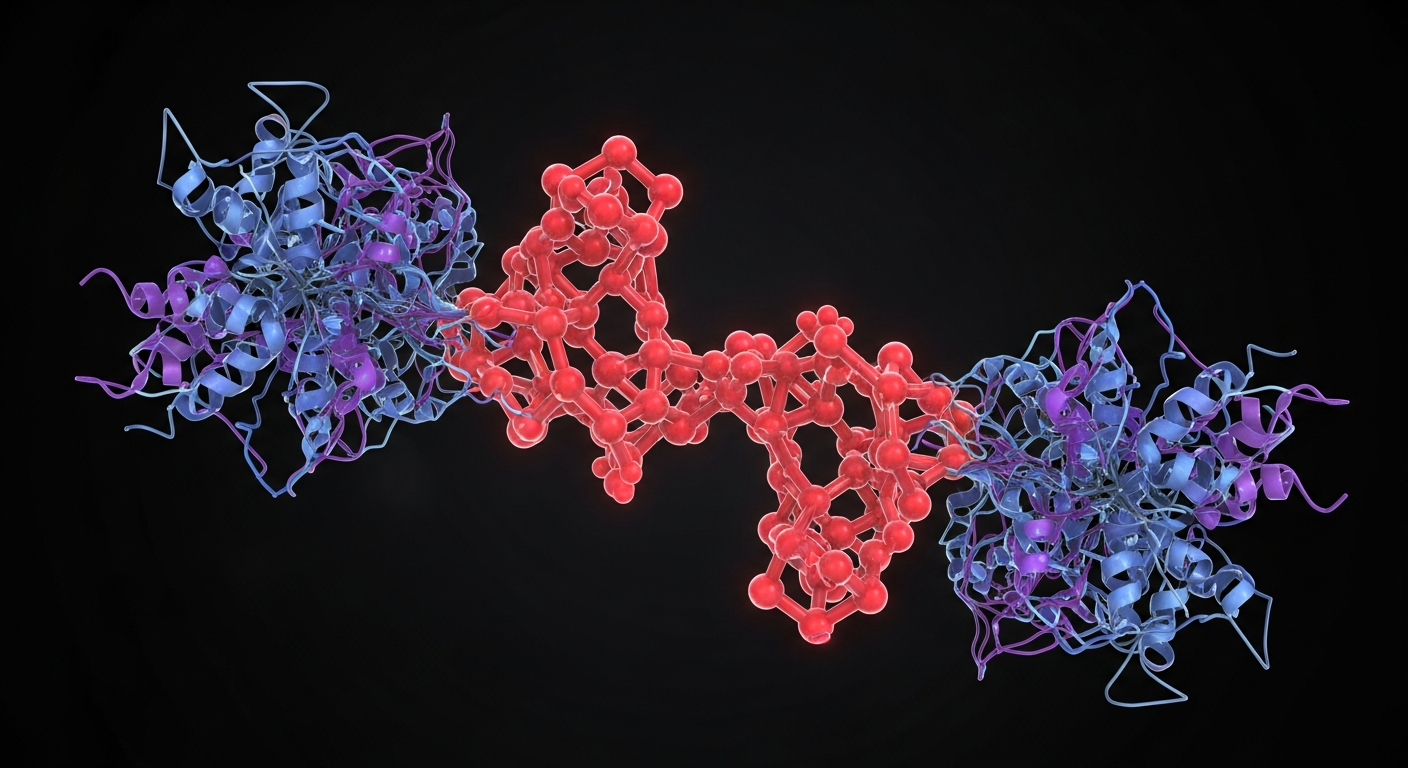

Among the most closely watched compounds in metabolic research, GLP-3(Reta) occupies a unique position in 2026: clinically paused, yet scientifically more relevant than ever. As preclinical researchers refine their understanding of triple-receptor agonism, the demand for high-quality research-grade GLP-3(Reta) has grown, not diminished. This article examines the compound’s current status, why it continues to attract serious research attention, what actually happened with its clinical development, and what sourcing standards researchers should apply when obtaining GLP-3 analogs.
2026 Research Status: Where Does GLP-3(Reta) Stand?
GLP-3(Reta), the triple-hormone receptor agonist targeting GIP, GLP-1, and glucagon receptors, remains an active subject of preclinical and translational research in 2026. While its clinical Phase 3 program was paused, the compound has not been withdrawn from scientific inquiry. Researchers at academic institutions, contract research organizations, and private laboratories continue to study GLP-3(Reta) as a reference compound for understanding multimodal incretin pharmacology.
The compound’s HPLC-verified peptide sequence remains intact in major peptide synthesis catalogs, and its research availability in the United States has not been interrupted. From a regulatory standpoint, GLP-3(Reta) is not a controlled substance in the US, EU, or most jurisdictions, and its use in preclinical laboratory settings continues under standard research compound protocols.
Researchers sourcing GLP-3(Reta) in 2026 should note: availability varies significantly by supplier quality. The compound’s structural complexity, a modified 39-amino acid sequence with fatty acid conjugation for extended half-life, demands rigorous synthesis and verification practices. Demand for independently tested material with documented analytical results has increased accordingly.
Why Researchers Continue to Track This Triple GLP Receptor Agonist
The scientific interest in GLP-3(Reta) extends well beyond the clinical pause. The compound represents the first validated proof-of-concept for simultaneous GIP/GLP-1/glucagon receptor co-agonism at human scale, and its Phase 2 data, published in the New England Journal of Medicine in 2023, remains among the most cited obesity pharmacology papers of the decade.
What distinguishes GLP-3(Reta) mechanistically is the inclusion of glucagon receptor agonism. Single-agent GLP-1(Sema) operates primarily through appetite suppression and slowed gastric emptying. Dual-agonist GLP-2(Tirz) adds GIP receptor activation, which enhances insulin secretion and is theorized to reduce GLP-1-associated nausea. GLP-3(Reta) adds glucagon receptor activation, which directly promotes energy expenditure through hepatic lipolysis and thermogenesis pathways, a component not present in either predecessor compound.
For researchers studying:
- Metabolic syndrome models, GLP-3(Reta) enables study of simultaneous modulation of insulin, incretin, and glucagon axes
- Adipose tissue biology, glucagon receptor agonism drives lipolytic signaling in white and brown adipose tissue models
- Gastric motility research, the compound significantly delays gastric emptying, documented in peer-reviewed pharmacology studies
- Receptor crosstalk studies, understanding GIP/GLP-1/glucagon receptor interaction patterns requires a validated triple agonist reference
These research applications explain why GLP-3(Reta) demand from institutional researchers has remained stable, and in some categories increased, since the clinical pause.
🔬 Key Research Findings
- Phase 2 trial: GLP-3(Reta) at 12 mg produced 24.2% mean body weight reduction at 48 weeks vs. 2.1% placebo (PMID: 37366315)
- Gastric motility: GLP-3(Reta) significantly delays gastric emptying, a unique pharmacodynamic profile among GLP receptor agonists (PMID: 37311727)
- Weight response rates: 100% of 8 mg and 12 mg participants achieved ≥5% weight reduction; 83% achieved ≥15% reduction at 48 weeks
- Triple mechanism: Simultaneous GIP + GLP-1 + glucagon receptor co-activation distinguishes GLP-3(Reta) from all prior approved GLP-class compounds
- Safety profile: Dose-related GI effects (nausea, vomiting) were mostly mild-to-moderate and partially mitigated by lower starting doses
The Discontinuation Misconception: What Actually Happened
A persistent misconception in the peptide research community is that GLP-3(Reta) has been “discontinued.” This is factually inaccurate, and researchers relying on this characterization may be making sourcing or study design decisions based on incorrect assumptions.
The accurate timeline is as follows:
2021-2022: Phase 1 dose-escalation studies completed for GLP-3(Reta), establishing safety and pharmacokinetics in human volunteers.
2023 (June): Landmark Phase 2 results published in the New England Journal of Medicine (Jastreboff et al., PMID: 37366315). Results showed unprecedented weight reduction efficacy at higher doses, generating substantial research interest globally.
2023-2024: Phase 3 TRIUMPH program initiated, with multiple large-scale trials planned across obesity, type 2 diabetes, and metabolic disease populations.
2024: Eli Lilly announced a strategic pause on the GLP-3(Reta) Phase 3 program, citing pipeline prioritization decisions amid competitive pressure from other compounds already in or near regulatory submission. This was a commercial and portfolio decision, not a safety-driven discontinuation, and not a scientific rejection of the compound.
2025-2026: No official statement of discontinuation has been issued. The compound remains in Eli Lilly’s active pipeline documentation. Academic and contract research continues unimpeded. Research-grade supply chains remain operational.
The clinical pause does not affect the compound’s availability as a research peptide, its scientific validity, or its utility for preclinical studies. Researchers tracking this compound for laboratory use should not conflate a corporate pipeline pause with regulatory action or compound withdrawal.
Research Sourcing Standards for GLP-3(Reta) Analogs
Given the structural complexity of GLP-3(Reta), researchers should apply stringent sourcing criteria. The compound is a modified 39-amino acid peptide with C18 fatty diacid conjugation enabling extended half-life through albumin binding, a feature that also introduces significant synthesis challenges. Minor sequence errors or incomplete fatty acid conjugation can substantially alter binding profiles, making compound identity verification critical.
Research-grade GLP-3(Reta) standards include:
- Purity ≥98% confirmed by HPLC (reverse-phase method)
- Molecular weight verification by mass spectrometry (LCMS or MALDI)
- Lyophilized format for stability during shipping and storage
- Storage at −20°C or below in sealed, desiccated vials
- Reconstitution in sterile water or DMSO appropriate to the specific research protocol
Researchers should also verify that suppliers can provide batch-specific analytical documentation on request. Spartan Peptides maintains rigorous in-house quality protocols for all peptide compounds, ensuring that research-grade GLP-3(Reta) meets the analytical benchmarks required for reproducible preclinical research.
→ Source research-grade GLP-3(Reta) from Spartan Peptides
→ Browse the full Spartan Peptides research catalog
Frequently Asked Questions: GLP-3(Reta) Research Peptide 2026
Is GLP-3(Reta) available for research in 2026?
Yes. GLP-3(Reta) remains available as a research-grade peptide from qualified suppliers in 2026. While clinical development is on hold, the compound is not discontinued and continues to be studied at preclinical and research levels globally. Researchers can source it from specialist peptide suppliers who maintain rigorous quality standards.
How does GLP-3(Reta) differ from GLP-1(Sema) and GLP-2(Tirz)?
GLP-3(Reta) is a triple-receptor agonist targeting GIP, GLP-1, and glucagon receptors simultaneously. GLP-1(Sema) is a single GLP-1 receptor agonist, while GLP-2(Tirz) is a dual GIP/GLP-1 agonist. The addition of glucagon receptor agonism in GLP-3(Reta) is thought to enhance energy expenditure beyond what single or dual agonists achieve, making it a mechanistically distinct compound in the GLP peptide class.
What purity should research-grade GLP-3(Reta) be?
Research-grade GLP-3(Reta) should meet a minimum purity threshold of ≥98% as confirmed by HPLC analysis. Mass spectrometry verification of molecular weight is also considered best practice to confirm peptide identity. Researchers should source only from suppliers who can demonstrate these analytical standards.
Can researchers source GLP-3(Reta) in the US?
Yes. GLP-3(Reta) is available from US-based research peptide suppliers for legitimate laboratory research purposes. It is not approved for human use, and sourcing for any purpose other than scientific research is not permitted. Researchers should ensure they are purchasing from suppliers with documented quality control processes.
What happened to GLP-3(Reta) clinical trials?
Eli Lilly paused its Phase 3 TRIUMPH clinical trial program for GLP-3(Reta) in 2024 due to strategic reprioritization of its obesity pipeline. Critically, this was a pause, not a discontinuation. Phase 2 data showed remarkable weight reduction outcomes (up to 24.2% body weight loss at 48 weeks), and scientific interest in the compound’s triple-receptor mechanism remains high. No official statement has declared the compound abandoned.
What is the mechanism of GLP-3(Reta) receptor agonism?
GLP-3(Reta) activates three distinct G protein-coupled receptors: the glucose-dependent insulinotropic polypeptide (GIP) receptor, the glucagon-like peptide-1 (GLP-1) receptor, and the glucagon receptor. GIP receptor activation enhances insulin secretion and may counteract GLP-1-mediated nausea. GLP-1 receptor activation promotes satiety and reduces gastric emptying. Glucagon receptor activation increases energy expenditure and promotes lipolysis. This trimodal mechanism produces additive and potentially synergistic metabolic effects.
References
- Jastreboff AM, Kaplan LM, Frías JP, et al.; GLP-3(Reta) Phase 2 Obesity Trial Investigators. Triple-Hormone-Receptor Agonist for Obesity, A Phase 2 Trial. N Engl J Med. 2023;389(6):514-526. PMID: 37366315
- Urva S, O’Farrell L, Du Y, et al. The novel GIP, GLP-1 and glucagon receptor agonist GLP-3(Reta) delays gastric emptying. Diabetes Obes Metab. 2023;25(9):2784-2788. PMID: 37311727
Spartan Research Library
Go Deeper on the Science
Browse study indexes, compound comparisons, and protocol stacks in the Spartan Peptides Research Library.
Written by the Spartan Research Team
Our team of peptide researchers and biochemists reviews every article for scientific accuracy. Learn more about our team →