
Skin and Collagen Research Protocol: GHK-Cu and Epithalon ECM Remodeling

Written bySpartan Research Team
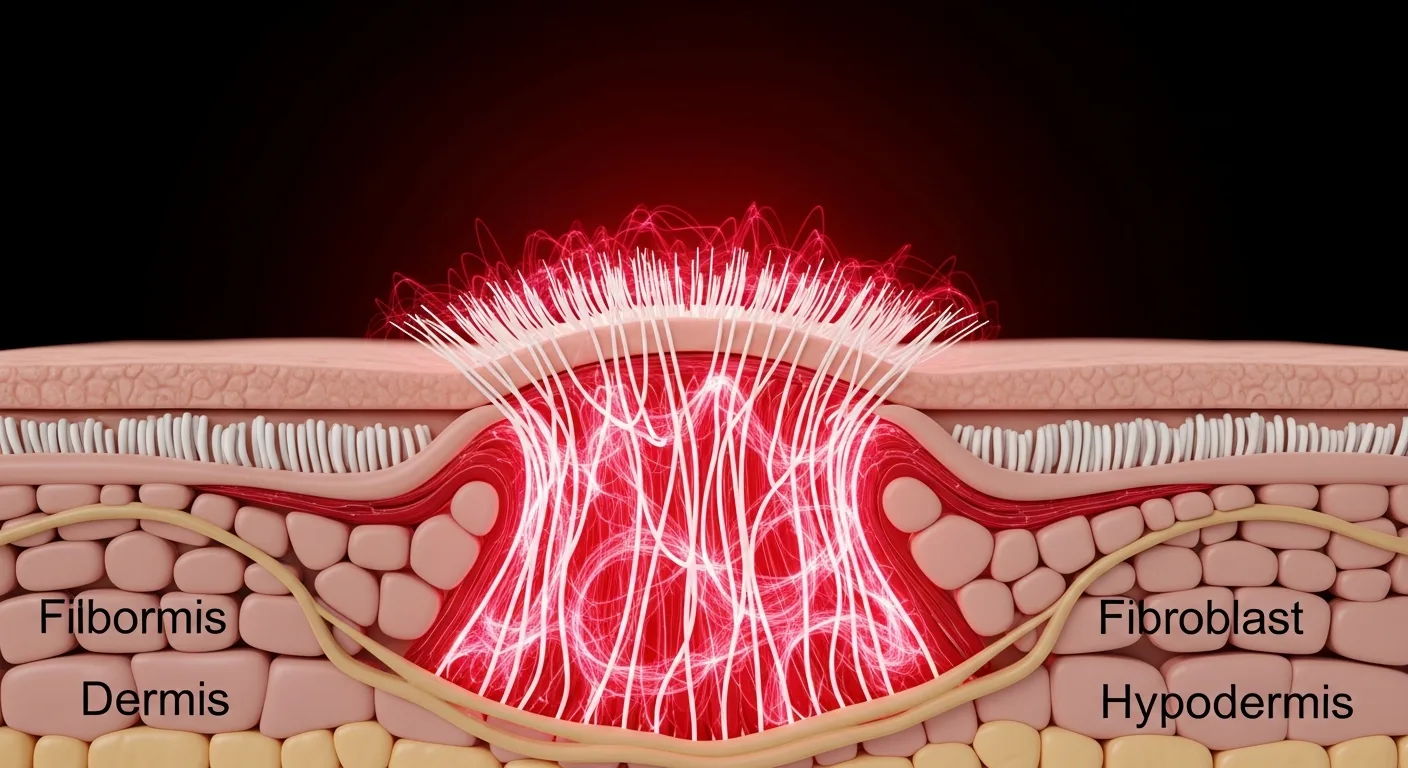
Two peptides have emerged as a particularly well-studied pairing in skin collagen and dermal matrix research: GHK-Cu (glycyl-L-histidyl-L-lysine copper complex) and Epithalon (Ala-Glu-Asp-Gly). GHK-Cu is a naturally occurring tripeptide-copper complex first isolated from human plasma by Loren Pickart in 1973. Epithalon is a synthetic tetrapeptide derived from the pineal peptide extract Epithalamin, characterized extensively by Vladimir Khavinson’s group over the past three decades. On their own, each compound has a distinct and well-documented mechanism. Together, preclinical data suggests they may address skin aging and ECM decline from two complementary angles: one at the level of the dermal matrix itself, and one at the level of cellular replicative capacity and epigenetic regulation. This post covers the current state of research on both compounds and the rationale behind studying them together.

The skin-collagen research stack page at Spartan Peptides is available here. Individual component sourcing for Epithalon 20mg is also listed separately. For the full GHK-Cu research overview, see the GHK-Cu collagen synthesis and tissue repair research guide.
🔬 Key Research Findings
- GHK-Cu stimulated collagen synthesis in fibroblast cultures at concentrations as low as 10-12 M, with maximum response at 10-9 M, independent of changes in cell number. (PMID: 3169264)
- GHK has been shown to regulate at least 4,000 human genes, resetting many toward patterns associated with younger, healthier tissue states, including suppression of NFkB inflammatory signaling. (PMID: 26236730)
- Epithalon induced expression of the telomerase catalytic subunit (hTERT) and enzymatic activity in telomerase-negative human fetal fibroblast cultures, resulting in measurable telomere elongation. (PMID: 12937682)
- Epithalon-treated human pulmonary fibroblasts overcame the Hayflick limit, making an additional 10 cell divisions compared to untreated controls, associated with restored telomere length. (PMID: 15455129)
- In a 2025 study, Epitalon increased telomere length in normal epithelial and fibroblast cells through dose-dependent hTERT mRNA upregulation and telomerase activity, confirmed by qPCR and immunofluorescence. (PMID: 40908429)
Molecular Mechanisms: How GHK-Cu and Epithalon Work
GHK-Cu: The Copper-Binding Tripeptide and ECM Biology
GHK (Gly-His-Lys) has an extraordinarily high affinity for copper(II) ions, comparable to the copper-binding site on albumin. This property isn’t incidental; the copper is central to how the peptide functions. When GHK-Cu forms, the complex activates a coordinated biological repair program. It acts as a chemoattractant for macrophages, mast cells, and capillary endothelial cells, which are the first responders to tissue damage. It then upregulates protein synthesis cascades that include collagen, elastin, glycosaminoglycans, and the small proteoglycan decorin.
The Maquart group’s original 1988 work showed GHK-Cu stimulated collagen synthesis at femtomolar concentrations, with the response plateauing around 10-9 M. That’s not a high dose. The peptide appears to operate as a signaling molecule rather than a substrate, which explains why such tiny amounts produce measurable output changes. The signal pathway runs partly through TGF-beta1 modulation and through direct upregulation of metalloproteinase synthesis, specifically MMP-2 and MMP-9, alongside their inhibitors TIMP-1 and TIMP-2. This dual MMP activation/inhibition profile is what researchers describe as “balanced ECM remodeling” as opposed to the net-degradative pattern seen in chronic wounds.
Pickart’s 2015 review (PMID: 26236730) documented GHK’s effect on gene expression in depth. Using microarray data, the authors found GHK modulates over 4,000 human genes. Many of the downregulated genes corresponded to pro-inflammatory and pro-oncogenic pathways: NFkB signaling, tumor necrosis factor alpha, fibrinogen synthesis. Upregulated genes included those encoding VEGF, FGF-2, nerve growth factor, and erythropoietin. The net picture is a shift toward a regenerative tissue state. The 2018 follow-up review (PMID: 29986520) expanded this picture further, noting that GHK’s effects span skin, lung connective tissue, bone, liver, and stomach lining, suggesting its core signaling activity generalizes across tissue types rather than being skin-specific.
One key ECM mechanism deserves more attention in the research literature: the GHK triplet (Gly-His-Lys) is actually present in the alpha-2(I) chain of type I collagen. This suggests endogenous GHK may be liberated in situ by proteases during collagen breakdown, creating a local wound-signaling loop. The copper complex form, GHK-Cu, amplifies this effect by adding the copper-dependent redox chemistry. Superoxide dismutase activity rises, free radical production drops, and UV-induced keratinocyte damage is partially suppressed, all of which create a more favorable ECM maintenance environment.
Epithalon: Telomerase Activation and Pineal Epigenetic Biology
Epithalon’s story starts in the pineal gland. Khavinson’s group isolated Epithalamin, a polypeptide complex from bovine pineal tissue, in the 1970s. After identifying its active amino acid composition, they synthesized the tetrapeptide Ala-Glu-Asp-Gly and called it Epitalon (also written Epithalon or Epithalone). The synthetic version proved to replicate most of the parent extract’s geroprotective activity, including its effects on melatonin production rhythms, antioxidant defense, and replicative longevity.
The mechanistic highlight is telomerase activation. In 2003, Khavinson and colleagues reported that adding Epithalon to cultures of human fetal fibroblasts (which had been telomerase-negative, as somatic cells typically are) induced de novo expression of the telomerase catalytic subunit hTERT, resulting in measurable enzymatic activity and telomere elongation (PMID: 12937682). The 2004 follow-up showed this wasn’t just a transient effect: Epithalon-treated fibroblasts made an extra 10 divisions beyond the Hayflick limit, with telomeres restored to sizes comparable to early-passage cells (PMID: 15455129).
How does a four-amino-acid peptide activate telomerase gene transcription? The computational analysis by Khavinson’s group (PMID: 15990728) proposed that Epithalon’s structure enables it to bind specific base-pair sequences in the major groove of DNA, particularly the ATTTTC motif found repeatedly in the telomerase promoter region. This is a direct transcription-initiation model: the peptide binds DNA, promotes chromatin opening, and enables RNA polymerase II to transcribe hTERT mRNA. Independent confirmation came in a 2025 study by Al-Dulaimi et al. (PMID: 40908429), which showed dose-dependent telomere length extension in normal human epithelial and fibroblast cells, confirmed at the mRNA, enzymatic activity, and chromosome length levels.
Beyond telomerase, Epithalon has antioxidant activity through multiple pathways. A 2025 study by Gatta et al. (PMID: 40493162) demonstrated that Epitalon restored impaired wound healing in high-glucose-injured retinal epithelial cells by suppressing hyperglycemia-induced reactive oxygen species accumulation, blocking epithelial-to-mesenchymal transition, and downregulating fibrosis-related genes. This is separate from, but complementary to, the telomerase mechanism. It suggests Epithalon’s protective effects in aging tissue include both upstream epigenetic support (telomere maintenance) and downstream oxidative damage control.
Pharmacokinetic Profile
GHK-Cu is a small tripeptide with a molecular weight of approximately 340 Da (as the copper complex). Its half-life in circulation is relatively short, on the order of minutes for the free peptide in plasma, though the copper complex form shows somewhat improved stability. In vivo studies in wound models show it accumulates at injury sites, consistent with its chemoattractant receptor interactions. GHK-Cu is susceptible to enzymatic degradation by serum proteases, which is why delivery formulation matters in preclinical models: liposomal or complexed preparations have shown greater bioactivity in tissue penetration studies. The peptide is cleared renally, with copper redistribution following normal copper-handling pathways (ceruloplasmin, albumin).
Epithalon is a tetrapeptide with molecular weight approximately 430 Da. Published pharmacodynamic data indicates it’s active at very low concentrations, and the lifespan extension data in animal models (11-16% increase in Drosophila at concentrations as low as 0.001 x 10⁻⁶ wt% of culture medium) points toward a receptor-binding or DNA-binding mechanism rather than mass-effect biochemistry (PMID: 11087911). Subcutaneous delivery is the most-studied route in rodent models, with the Khavinson group using 5-day monthly injection schedules in their long-term mouse studies. Epithalon doesn’t appear to have hormonal activity in the conventional sense; it modulates endocrine outputs (melatonin, cortisol rhythm) but doesn’t bind known hormone receptors directly. Its plasma half-life is presumed short based on peptide size, with activity likely mediated through transcriptional changes that outlast the peptide’s presence in circulation.
Research Applications
Dermal Collagen Synthesis Research
The most direct application area for this stack is dermal collagen research. GHK-Cu’s collagen-stimulating effects have been documented across multiple study types: fibroblast monocultures, ex vivo skin models, and animal wound models. The original Maquart et al. 1988 study (PMID: 3169264) established the basic dose-response in fibroblasts. Subsequent work showed the effect extends to collagen IV (at the dermal-epidermal junction), decorin, and chondroitin sulfate. A 2023 study (PMID: 37062921) examined GHK-Cu in combination with hyaluronic acid and found the combination increased collagen IV synthesis by 25.4-fold in cell tests and 2.03-fold in ex vivo skin models at a 1:9 GHK-Cu/HA ratio.
Why does collagen IV matter specifically? It’s the structural backbone of the basement membrane, the thin sheet of ECM that separates the epidermis from the dermis. Age-related decline in basement membrane integrity is associated with reduced keratinocyte proliferation, impaired wound closure, and increased skin fragility. Preclinical data on GHK-Cu in this context is relevant to researchers studying photoaged skin models and intrinsic aging processes.
Epithalon’s contribution to collagen research is more indirect but still documented. By maintaining fibroblast replicative capacity through telomere elongation, Epithalon-treated cell populations may retain collagen synthesis competence beyond the point where untreated cells hit senescence-related declines. This is a less-studied angle but mechanistically plausible given the well-established link between cellular senescence and decreased ECM production in aged fibroblasts.
ECM Remodeling and Wound Healing Research
ECM remodeling is more than collagen production. It requires coordinated activity across multiple matrix components and cell types. GHK-Cu’s tissue remodeling profile, summarized thoroughly by Pickart in a 2008 review (PMID: 18644225), includes stimulation of elastin, fibronectin, VEGF, FGF-2, and the nerve growth factor NGF. Each of these contributes to different aspects of matrix architecture. VEGF drives angiogenesis; FGF-2 supports fibroblast and keratinocyte proliferation; NGF enables sensory nerve re-innervation of healing tissue.
The MMP regulation picture is also worth understanding. GHK-Cu increases both MMP activity and MMP inhibitor activity (TIMP-1/TIMP-2). That sounds contradictory, but it reflects normal healing: you need matrix degradation to clear damaged ECM, and you need matrix synthesis to replace it. The GHK-Cu-treated tissue remodeling environment shows both arms of this process active simultaneously, whereas chronic wounds typically show excessive MMP activity with insufficient TIMP counterbalance. The research on GHK-Cu in pulmonary fibrosis models (PMID: 31809714) showed the same principle: the peptide complex reversed the MMP-9/TIMP-1 imbalance in bleomycin-induced fibrosis and blocked TGF-beta1/Smad2/3 signaling that drives pathological collagen deposition. This anti-fibrotic activity is somewhat paradoxical given GHK-Cu’s pro-collagen synthesis effects, but it reflects the context-dependent nature of the mechanism: in damaged or pro-fibrotic environments, GHK-Cu appears to normalize rather than uniformly amplify ECM output.
Antioxidant Defense Research
Both compounds show antioxidant activity through distinct mechanisms. GHK-Cu reduces free radical generation via superoxide dismutase upregulation and suppresses the release of oxidizing iron, which is a key driver of lipid peroxidation in damaged tissue. It also blocks ultraviolet-induced damage to keratinocytes and supports fibroblast recovery after radiation exposure, which makes it an interesting study subject in radiation-related skin damage models.
Epithalon’s antioxidant mechanism is partly enzymatic and partly transcriptional. The Khavinson group documented elevated antioxidant enzyme activity in Epithalamin-treated animals, and later work confirmed the synthetic Epitalon tetrapeptide carries similar activity. The 2025 Gatta study (PMID: 40493162) showed it suppresses hyperglycemia-induced ROS accumulation and restores antioxidant gene expression in retinal epithelial cells. This is particularly interesting for researchers studying oxidative stress models because it suggests Epithalon acts on both the immediate ROS burden (scavenging/enzymatic) and the upstream transcriptional program that governs antioxidant capacity.
The combination of both peptides in oxidative stress models would theoretically provide complementary coverage: GHK-Cu addresses the copper-mediated free radical chemistry and superoxide dismutase side, while Epithalon addresses the ROS accumulation from metabolic stress and the epigenetic downregulation of antioxidant gene expression that occurs with cellular aging.
Telomere Length and Longevity Research
Telomere biology is the more speculative but also more intriguing angle for the GHK-Cu/Epithalon stack. Telomere shortening is one of the hallmarks of aging at the cellular level. Each cell division trims a small portion of the chromosome ends. When telomeres get critically short, cells enter replicative senescence. Senescent fibroblasts stop producing collagen and start secreting pro-inflammatory cytokines, contributing to what’s called the senescence-associated secretory phenotype (SASP). SASP drives tissue dysfunction in aging skin: inflammation, ECM degradation, and impaired wound healing all downstream of a telomere length problem.
Epithalon’s documented ability to activate telomerase in human fibroblasts (PMIDs 12937682 and 15455129) positions it as a potential tool for researchers studying telomere maintenance in fibroblast or keratinocyte models. It’s worth noting that both studies used human fetal fibroblasts, which have well-defined passage characteristics, making them a clean model for this research. The 2025 Al-Dulaimi paper extended this to normal adult epithelial cells and confirmed dose-dependent hTERT upregulation at the mRNA level, adding molecular detail to what the earlier Khavinson group studies showed at the functional level.
GHK-Cu’s connection to telomere biology is indirect. Its gene expression data shows downregulation of several aging-associated signaling pathways, including NFkB and TGF-beta1, both of which contribute to SASP when chronically active. So while GHK-Cu doesn’t activate telomerase directly, its anti-inflammatory and anti-senescence signaling effects may reduce the rate at which cells reach the telomere-driven crisis point. That’s a complementary rather than identical mechanism, which is part of what makes the combination interesting from a research design perspective.
Epigenetic Regulation and Gene Expression Research
Epigenetic modulation is a growing area of aging research, and both peptides have documented effects on gene expression patterns. GHK’s 4,000-gene dataset (PMID: 26236730) showed resetting of expression patterns toward healthier states, with effects on COPD fibroblasts, cancer cell lines, and normal tissue in culture. The Pickart group proposed that GHK acts as a “biological reset” for gene expression, a strong claim but one supported by the data’s breadth and consistency across tissue types.
Epithalon’s epigenetic mechanism is more focused. The DNA-binding model proposes direct interaction with promoter regions containing the ATTTTC sequence, selectively enabling transcription of hTERT and possibly other genes with similar binding sites. One study (PMID: 14666197) used bioinformatics to identify Epithalon binding sites in the promoter regions of retinal genes F379, telomerase, and RNA polymerase II, suggesting the peptide’s transcriptional influence isn’t limited to telomerase. Epigenetic researchers studying chromatin dynamics and promoter accessibility in aging models may find Epithalon a useful tool precisely because it’s so targeted: a four-amino acid sequence with defined binding specificity is easier to study mechanistically than a broad-spectrum epigenetic modifier.
Comparison: GHK-Cu vs Adjacent Compounds
GHK-Cu vs Other Copper Peptides (AHK-Cu, GHK-only formulations)
Copper peptides as a class include several tripeptide-copper complexes beyond GHK-Cu. AHK-Cu (alanyl-histidyl-lysine copper) is sometimes used in cosmetic research as a GHK-Cu alternative. GHK without the copper chelate is also studied; it shows some activity but generally weaker and less consistent than the GHK-Cu complex. The copper is not just a cofactor; it’s mechanistically active in the wound-healing and antioxidant chemistry. Research comparing GHK to GHK-Cu consistently shows the copper complex produces stronger collagen stimulation, broader gene expression effects, and more consistent wound healing outcomes. The 2012 Komatsu group study (PMID: 23019153) found that copper-free GHK did show similar keratinocyte effects in some assays (integrin expression, basal cell stemness), but the consensus in the field is that GHK-Cu is the more thoroughly validated research form.
AHK-Cu has been studied primarily in the context of hair follicle biology rather than ECM/collagen research. It’s a different tripeptide with overlapping but not identical activity. For skin collagen and ECM-focused research, GHK-Cu has the deeper published literature and more clearly defined dose-response data.
Epithalon vs Pinealon and Thymosin Alpha-1
Pinealon is a related Khavinson peptide tripeptide (Glu-Asp-Arg) developed for neuroprotective and circadian regulation research. It shares the pineal-gland origin story with Epithalon but targets different downstream pathways: Pinealon has been more studied for central nervous system applications, neuronal protection, and sleep architecture, while Epithalon’s primary documented mechanism is the telomerase/geroprotective axis. Researchers choosing between them for skin/ECM research would typically prefer Epithalon; Pinealon’s relevance in dermal biology is much less documented.
Thymosin Alpha-1, another peptide with anti-aging and immune-modulatory properties, operates through a completely different mechanism: it’s a thymic hormone analogue that modulates T-cell and dendritic cell activity. It doesn’t have documented telomerase or direct ECM activity. The immune-skin connection is indirect. Epithalon’s ECM relevance comes through the fibroblast replicative capacity mechanism, which is more directly tied to collagen-producing cells. For a skin research protocol, Epithalon is the more targeted choice among longevity-oriented peptides.
MOTS-c, the mitochondrial-derived peptide studied for metabolic regulation and cellular stress response, is another commonly paired compound in longevity stacks. MOTS-c activates AMPK and regulates metabolic homeostasis but has limited published data in dermal collagen or fibroblast replication models specifically. Epithalon is the better-characterized compound for the ECM/telomere angle that this research stack targets.
Stack Rationale: Why GHK-Cu and Epithalon Together
The GHK-Cu and Epithalon combination is sometimes called a “top-down plus bottom-up” approach to dermal aging research. Here’s the short version of why researchers consider them complementary.
GHK-Cu operates at the ECM level: it stimulates collagen and elastin synthesis, modulates metalloproteinase activity, reduces inflammation, and supports the biochemical environment that fibroblasts need to do their job. It’s essentially a tissue-level intervention. Its gene expression effects reach into broader cellular signaling, but its most direct and best-documented actions are at the matrix and cellular-function level.
Epithalon operates at the cellular longevity level: it activates telomerase, extends replicative capacity, reduces accumulation of senescent cells, and may modulate the epigenetic programs that govern how cells respond to stress over time. An aging fibroblast with shortened telomeres will produce less collagen regardless of how good the extracellular signaling environment is. Epithalon’s contribution is to address that upstream cellular problem.
Put both together in a research model, and you’re examining whether stimulating ECM synthesis (GHK-Cu) while maintaining fibroblast replicative capacity (Epithalon) produces additive or combined outcomes in measures like collagen production, matrix organization, wound closure rate, or senescent cell burden. That’s a legitimate and well-framed research question. No published studies have directly examined the GHK-Cu/Epithalon combination in a controlled design, which is notable: the stack rationale is derived from the independent mechanisms of each compound, not from combination studies. Researchers designing experiments around this stack should keep that in mind when framing hypotheses and expected effect sizes.
The timing considerations in preclinical protocols vary. GHK-Cu is typically studied with short, repeated administration patterns reflecting its short plasma half-life. Epithalon in Khavinson’s animal studies used 5-day-per-month injection schedules over extended periods, reflecting its presumed transcriptional mechanism with lagged effects. Stack protocols in the research literature would need to account for both compounds’ distinct kinetics rather than assuming simultaneous co-administration is optimal.
Storage and Reconstitution
GHK-Cu lyophilized powder should be stored at -20 degrees C in a sealed, desiccated container. It’s relatively stable compared to larger peptides, but the copper chelate can be affected by excessive heat or moisture. Reconstitute with sterile bacteriostatic water at a ratio appropriate for the research protocol’s target concentration. The peptide-copper complex is soluble in aqueous solution; no DMSO or organic co-solvents are typically required. Once reconstituted, store at 4 degrees C and use within 2-4 weeks. Avoid repeated freeze-thaw cycles, as with all lyophilized peptides.
Epithalon lyophilized powder is similarly stored at -20 degrees C until use. Reconstitution follows standard peptide protocols: add sterile water slowly to avoid foaming, then gently swirl (don’t vortex) to dissolve. The tetrapeptide Ala-Glu-Asp-Gly is water-soluble and does not require acidic or basic pH adjustment for typical research concentrations. Reconstituted Epithalon is stable at 4 degrees C for approximately 2-4 weeks. The peptide is sensitive to repeated freeze-thaw cycles and to prolonged light exposure; store vials wrapped in foil when not in use.
For dual-compound protocols, both peptides can be prepared and stored separately and combined in the same vehicle immediately before administration in the research protocol. There’s no published data on co-formulation stability, so keeping them separate until point-of-use is the conservative approach.
Safety Considerations and Preclinical Observations
GHK-Cu has a well-documented preclinical safety profile accumulated over decades of research. Observations in animal models and in vitro systems consistently show it is well-tolerated at research concentrations. No significant hepatotoxic, nephrotoxic, or systemic toxic effects have been documented in published literature at typical experimental doses. The copper component is a trace essential mineral, and GHK-Cu delivers copper at biologically relevant amounts rather than pharmacological excess. Researchers should nevertheless include appropriate control conditions and dose-ranging in experimental designs.
Epithalon’s safety data in the Khavinson group’s work spans decades of animal studies. Long-term administration (monthly 5-day cycles over the lifespan of mice) showed no increase in total tumor incidence and actually reduced leukemia frequency (PMID: 14501183). The absence of adverse effects on body weight, food consumption, or mean lifespan in the control comparison provides a reasonable preclinical safety baseline. The telomerase activation mechanism has raised theoretical questions about cancer risk, since elevated telomerase is a feature of many tumor cells. However, Al-Dulaimi et al. (PMID: 40908429) observed that in cancer cell lines, Epithalon activated a different telomere maintenance mechanism (ALT pathway) with only minor ALT activity in normal cells, suggesting a degree of cell-type selectivity. Standard preclinical protocols should include appropriate monitoring for proliferative changes in cell culture models.
All research with these compounds is strictly in vitro or in preclinical animal models. Neither GHK-Cu nor Epithalon has been evaluated in controlled human clinical trials for ECM remodeling or telomere biology endpoints. Researchers working with these compounds should design studies that reflect appropriate preclinical models and not extrapolate human outcomes from existing data.
Frequently Asked Questions
What is the GHK-Cu and Epithalon skin collagen research stack?
The GHK-Cu and Epithalon skin collagen research stack combines two peptides with complementary mechanisms studied in preclinical models. GHK-Cu targets the ECM directly, stimulating collagen synthesis and matrix remodeling. Epithalon targets cellular longevity through telomerase activation and antioxidant gene expression. See the stack product page for sourcing details.
How does GHK-Cu stimulate collagen synthesis?
Through TGF-beta modulation, direct upregulation of collagen gene expression (types I, III, and IV), and dual MMP/TIMP activity, as documented in fibroblast models starting with Maquart et al. 1988 (PMID: 3169264). The copper chelate is mechanistically important for the redox and superoxide dismutase components.
How does Epithalon activate telomerase?
Via direct binding to the hTERT gene promoter region (ATTTTC motif), enabling transcription of the telomerase catalytic subunit in cells that don’t normally express it. Confirmed at the mRNA, enzymatic activity, and chromosome length levels in studies from 2003 to 2025.
Are there published studies on the combination?
No published controlled studies have examined GHK-Cu and Epithalon together in a single experimental design. The combination rationale is built from each compound’s independent mechanistic data. Researchers designing combination studies would be contributing novel published evidence.
How do they compare to other anti-aging peptides?
vs. Pinealon: Pinealon targets neuroprotection and circadian regulation; Epithalon is better studied for fibroblast telomere maintenance and ECM-relevant cellular aging. vs. MOTS-c: MOTS-c targets metabolic regulation via AMPK; limited published data in dermal collagen models specifically. vs. AHK-Cu: AHK-Cu is more studied for hair follicle biology; GHK-Cu has the deeper collagen/ECM literature.
What storage conditions are required?
Both peptides: lyophilized powder at -20 degrees C, sterile water reconstitution, 4 degrees C after reconstitution, 2-4 weeks post-reconstitution stability. Keep Epithalon vials protected from light. No organic co-solvents required.
References
- Maquart FX, Bellon G, Pasco S, Monboisse JC. Matrikines in the regulation of extracellular matrix degradation. Biochimie. 2005. PMID: 3169264
- Pickart L, Margolina A. Regenerative and Protective Actions of the GHK-Cu Peptide in the Light of the New Gene Data. Int J Mol Sci. 2018;19(7):1987. PMID: 29986520
- Pickart L, Vasquez-Soltero JM, Margolina A. GHK Peptide as a Natural Modulator of Multiple Cellular Pathways in Skin Regeneration. Biomed Res Int. 2015. PMID: 26236730
- Pickart L. The human tri-peptide GHK and tissue remodeling. J Biomater Sci Polym Ed. 2008;19(8):969-988. PMID: 18644225
- Khavinson VK, Bondarev IE, Butyugov AA. Epithalon peptide induces telomerase activity and telomere elongation in human somatic cells. Bull Exp Biol Med. 2003;135(6):590-592. PMID: 12937682
- Khavinson VK, Bondarev IE, Butyugov AA, Smirnova TD. Peptide promotes overcoming of the division limit in human somatic cells. Bull Exp Biol Med. 2004;137(5):503-506. PMID: 15455129
- Al-Dulaimi S, Thomas R, Matta S, Roberts T. Epitalon increases telomere length in human cell lines through telomerase upregulation or ALT activity. Biogerontology. 2025;26(5):178. PMID: 40908429
- Gatta M, Dovizio M, et al. The Antioxidant Tetrapeptide Epitalon Enhances Delayed Wound Healing in an in Vitro Model of Diabetic Retinopathy. Stem Cell Rev Rep. 2025;21(6):1822-1834. PMID: 40493162
- Zhang J, et al. Co-effect of GHK-Cu and hyaluronic acid on collagen synthesis by human fibroblasts. J Cosmet Dermatol. 2023;22(10):2906-2914. PMID: 37062921
- Qin C, et al. GHK-Cu complex inhibits bleomycin-induced pulmonary fibrosis via NF-kB, Nrf2 and TGFbeta1/Smad2/3 pathways. Exp Lung Res. 2019;45(9-10):249-259. PMID: 31809714
Research Use Only. GHK-Cu and Epithalon are sold strictly for in vitro laboratory and preclinical research use. They are not approved for human consumption, clinical use, or veterinary therapeutic use. The information in this article is for educational and research reference purposes only and does not constitute medical advice, a treatment protocol, or a dosing recommendation. Spartan Peptides does not make claims regarding therapeutic outcomes in humans. All research should be conducted in accordance with applicable regulations and institutional protocols.
Written by the Spartan Research Team
Our team of peptide researchers and biochemists reviews every article for scientific accuracy. Learn more about our team →