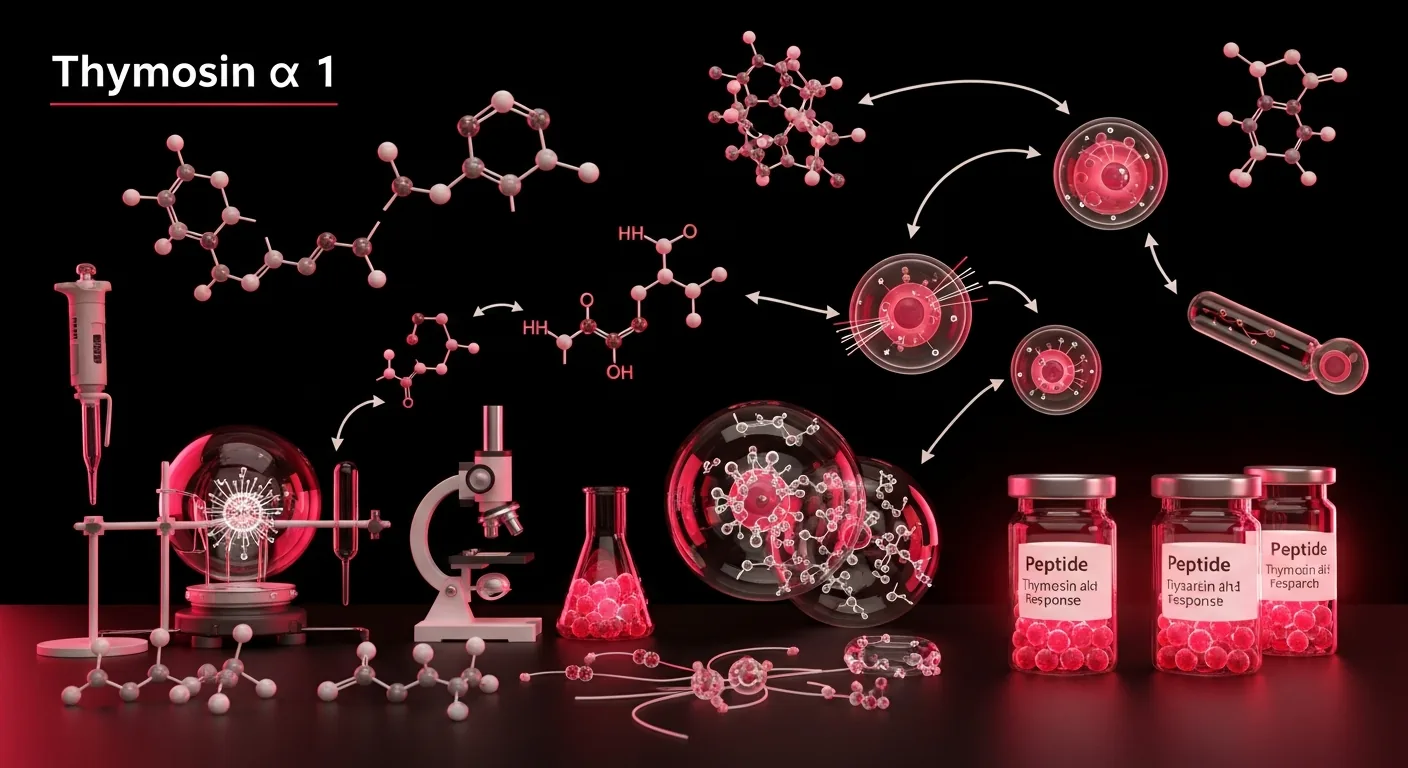
Thymosin Alpha-1: Boosting Immune Response in Research

Spartan Peptide

Written bySpartan Research Team

Thymosin Alpha-1: Boosting Immune Response in Research

A high-quality photo of a vial labeled "<a href="https://spartanpeptides.com/blog/thymosin-beta-4-vs-alpha-1/" rel="noopener">Thymosin</a> Alpha-1″ containing white lyophilized powder, with a blurred background showing a detailed molecular model of the peptide.’ class=”wp-image-4804 size-full” decoding=”async” height=”533″ loading=”lazy” sizes=”auto, (max-width: 800px) 100vw, 800px” src=”https://backend.spartanpeptides.com/wp-content/uploads/2025/08/assets_task_01k1x1g4qbe5wr0hwdj466eafh_1754395944_img_1-1.webp” srcset=”https://backend.spartanpeptides.com/wp-content/uploads/2025/08/assets_task_01k1x1g4qbe5wr0hwdj466eafh_1754395944_img_1-1.webp 800w, https://backend.spartanpeptides.com/wp-content/uploads/2025/08/assets_task_01k1x1g4qbe5wr0hwdj466eafh_1754395944_img_1-1-300×200.webp 300w, https://backend.spartanpeptides.com/wp-content/uploads/2025/08/assets_task_01k1x1g4qbe5wr0hwdj466eafh_1754395944_img_1-1-768×512.webp 768w, https://backend.spartanpeptides.com/wp-content/uploads/2025/08/assets_task_01k1x1g4qbe5wr0hwdj466eafh_1754395944_img_1-1-416×277.webp 416w” width=”800″/></p>
<div class="wp-block-group key-finding" style="background:#f8f9fa;border-left:5px solid #c0392b;padding:20px 24px;margin:24px 0;border-radius:4px">
<p style="margin:0 0 12px;font-weight:700;font-size:16px">🔬 Key Research Findings</p>
<ul class="wp-block-list" style="margin:0;padding-left:20px">
<li>Epithalon (<a href="https://spartanpeptides.com/blog/unlocking-longevity-secrets-with-epitalon/" rel="noopener">Epitalon</a>) is a tetrapeptide that activates telomerase, the enzyme responsible for maintaining telomere length, potentially slowing cellular aging.</li>
<li>Studies showed Epithalon increased average and maximum lifespan in animal models by 11-16% compared to control groups.</li>
<li>Research demonstrated Epithalon normalizes circadian rhythm disruptions by restoring melatonin secretion in the pineal gland.</li>
<li>Clinical observations in elderly subjects showed Epithalon improved immune function markers and reduced markers of oxidative stress.</li>
<li>Epithalon’s mechanism involves regulating chromatin structure and gene expression patterns associated with cellular senescence.</li>
</ul>
</div>
<p>Thymosin Alpha-1 (Tα1) is a thymus-derived peptide garnering significant attention for its ability to <strong>modulate and enhance the immune system</strong>. This 28-amino-acid peptide has long been recognized for <strong>boosting immune function</strong>, with uses ranging from helping immunocompromised patients fight infections to improving vaccine responses. Researchers are now exploring Tα1 as a potent experimental adjuvant in viral diseases – including investigations during the COVID-19 pandemic – due to its role in strengthening antiviral immunity. In our earlier post, <a href="https://spartanpeptides.com/blog/strengthening-your-immune-system-with-thymosin-alpha-1/"><strong>Strengthening Your Immune System with Thymosin Alpha-1</strong></a>, we introduced how Tα1 can fortify immune defenses. In this article, we delve deeper: <strong>what Tα1 is, how it boosts the immune response, the latest research on its antiviral potential (from COVID-19 to hepatitis), its broader therapeutic promise in cancer and autoimmunity, and how scientists can access Tα1 for research.</strong></p>
<div id="toc" style="background:#f8f8f8;border-left:4px solid #c0392b;padding:16px 20px;margin:24px 0;border-radius:4px;">
<p style="font-weight:700;font-size:15px;margin:0 0 10px 0;color:#222;">Table of Contents</p>
<ol style="margin:0;padding-left:20px;line-height:1.8;">
<li><a href="#what-is-thymosin-alpha-1">What Is Thymosin Alpha-1?</a></li>
<li><a href="#immune-system-support-and-antiviral-potential">Immune System Support and Antiviral Potential</a></li>
<li><a href="#what-research-says-about-thymosin-alpha-1-for-covid-19-and-beyond">What Research Says About Thymosin Alpha-1 for COVID-19 and Beyond</a></li>
<li><a href="#exploring-broader-immunomodulatory-roles-cancer-and-autoimmune-disease">Exploring Broader Immunomodulatory Roles: Cancer and Autoimmune Disease</a></li>
<li style="margin-left:16px;font-size:14px;"><a href="#thymosin-alpha-1-in-cancer-therapy">Thymosin Alpha-1 in Cancer Therapy</a></li>
<li style="margin-left:16px;font-size:14px;"><a href="#thymosin-alpha-1-in-autoimmune-diseases">Thymosin Alpha-1 in Autoimmune Diseases</a></li>
<li><a href="#how-to-access-thymosin-alpha-1">How to Access Thymosin Alpha-1</a></li>
<li><a href="#frequently-asked-questions">Frequently Asked Questions</a></li>
<li style="margin-left:16px;font-size:14px;"><a href="#what-is-thymosin-alpha-1-and-where-does-it-naturally-occur">What is Thymosin Alpha-1 and where does it naturally occur?</a></li>
<li style="margin-left:16px;font-size:14px;"><a href="#what-does-preclinical-research-suggest-about-thymosin-alpha-1s-immune-effects">What does preclinical research suggest about Thymosin Alpha-1’s immune effects?</a></li>
<li style="margin-left:16px;font-size:14px;"><a href="#is-thymosin-alpha-1-approved-for-human-use">Is Thymosin Alpha-1 approved for human use?</a></li>
<li style="margin-left:16px;font-size:14px;"><a href="#how-does-thymosin-alpha-1-differ-from-thymosin-beta-4">How does Thymosin Alpha-1 differ from Thymosin Beta-4?</a></li>
<li style="margin-left:16px;font-size:14px;"><a href="#what-are-the-primary-research-applications-of-thymosin-alpha-1">What are the primary research applications of Thymosin Alpha-1?</a></li>
<li><a href="#references">References</a></li>
</ol>
</div>
<p>Researchers may also find relevant context in our guide to <a href="https://spartanpeptides.com/blog/peptide-stacking-guide-best-combinations-research/">The Complete Guide to Peptide Stacking: How to Combine Research Peptides for Maximum Results</a>.</p>
<figure><img alt="Scientific illustration of Thymosin Alpha-1 peptide interacting with T-cells" decoding="async" src="https://backend.spartanpeptides.com/wp-content/uploads/2026/02/thymosin-alpha-1-immune-research.jpg" style="width:100%;border-radius:8px;"/><figcaption style="color:#81878F;font-size:12px;text-align:center;margin-top:6px;">Thymosin Alpha-1 is a naturally occurring peptide studied for its role in T-cell regulation.</figcaption></figure>
<h2 id="what-is-thymosin-alpha-1"><strong>What Is Thymosin Alpha-1?</strong></h2>
<p><a href="https://spartanpeptides.com/products/thymosin-alpha/"><strong>Thymosin Alpha-1 (Tα1)</strong></a> is a naturally occurring peptide hormone originally isolated from thymus gland extracts. <a href="https://www.mdpi.com/1420-3049/28/8/3539">It consists of 28 amino acids</a> and is the biologically active fragment of a larger protein called prothymosin alpha. First purified in the 1970s, Tα1’s discovery revealed a powerful immune regulator produced by the thymus – an organ pivotal in developing T cells (white blood cells that fight infections and cancer).</p>
<p>Importantly, <a href="https://pmc.ncbi.nlm.nih.gov/articles/PMC5011367/">Tα1 is known as a classic <strong>immunomodulator</strong></a>: it doesn’t simply stimulate the immune system indiscriminately, but rather helps normalize and enhance immune function in compromised states. In fact, it has been <em>widely used</em> internationally as a therapy for conditions of immune dysfunction. The synthetic form of Thymosin Alpha-1 (generic name <strong>thymalfasin</strong>, marketed as <strong>Zadaxin</strong> in some countries) has been approved in over 35 countries for treating chronic viral infections like <strong>hepatitis B and C</strong>, and for restoring immune competence in other disorders. Tα1 has also been utilized in patients with <strong>HIV/AIDS</strong>, in severe infections like sepsis, and even as adjunct therapy in some cancers, underscoring its broad immune-enhancing properties.</p>
<p>From a mechanistic standpoint, Thymosin Alpha-1 exerts <strong>pleiotropic effects on the immune system</strong>. It acts on various immune cells – T cells, B cells, natural killer (NK) cells, and macrophages – largely by interacting with toll-like receptors (TLRs) on these cells. By binding to receptors such as TLR-3, TLR-4, and TLR-9, Tα1 triggers downstream signaling pathways (like NF-κB and IRF pathways) that <strong>activate immune cells and cytokine production</strong>, thereby enhancing both the innate and adaptive immune responses. In essence, Tα1 helps immature T cells mature and increases the activity of existing T cells and NK cells, bolstering the body’s ability to recognize and attack pathogens or tumor cells. This multifaceted immune modulation is context-dependent – meaning Tα1 tends to boost weak immune responses without overactivating a normal immune system. For example, studies showed Tα1 increases NK cell activity in immunosuppressed mice (e.g. with cancer or after chemotherapy) but not in healthy mice. This smart targeting suggests Tα1 can restore balance to a dysregulated immune system while maintaining homeostasis in healthy conditions.</p>
<h2 id="immune-system-support-and-antiviral-potential">
<strong>Immune System Support and Antiviral Potential</strong></h2>
<div style="background:#fff5f5;border:2px solid #c0392b;border-radius:6px;padding:20px 24px;margin:32px 0">
<p style="margin:0 0 8px;font-weight:700;font-size:15px;color:#c0392b">🧪 Available for Research</p>
<p style="margin:0 0 12px;font-size:14px;color:#374151">Thymosin Alpha-1 is available as a research-grade compound at Spartan Peptides. Third-party HPLC-verified at ≥98% purity for laboratory and academic research use only.</p>
<p style="margin:0"><a href="https://spartanpeptides.com/products/thymosin-alpha/" style="background:#c0392b;color:#fff;padding:10px 20px;border-radius:4px;text-decoration:none;font-weight:600;font-size:14px">View Thymosin Alpha-1 →</a></p>
</div>
<p>One of the most exciting aspects of Thymosin Alpha-1 is its <strong>antiviral potential and general immune support</strong>, which has been demonstrated in both preclinical and clinical research. Tα1 is often described as an <strong>immune enhancer</strong> in the context of infectious diseases. It predominantly boosts the Th1 arm of the immune system (the cell-mediated immunity crucial for fighting viruses and intracellular pathogens). By promoting a Th1 response, Tα1 increases the production of antiviral cytokines and activates cytotoxic lymphocytes that hunt down infected cells. Researchers have shown that Tα1 can enhance overall <strong>immune surveillance</strong>, helping the body detect and respond to infections more effectively.</p>
<p>Notably, <a href="https://www.mdpi.com/2673-8449/1/3/18"><strong>Thymosin Alpha-1 has shown efficacy against multiple viruses</strong></a> in research studies. In animal models, Tα1 administration improved immune responses against <strong>hepatitis and influenza viruses</strong>, leading to better viral clearance. These findings align with clinical observations: Tα1 has been trialed and used in chronic viral infections like <strong>Hepatitis B and Hepatitis C</strong> to help patients achieve viral control. In fact, multiple clinical trials have demonstrated that Tα1 therapy can suppress hepatitis B virus replication and improve liver disease outcomes, especially when used alongside or as an alternative to interferon therapy. Thymosin Alpha-1 tends to be well-tolerated in these patients, and some studies noted it can be <em>as effective as interferon-alpha</em> in suppressing the virus, with fewer side effects. This has made thymalfasin a standard immune-based treatment for hepatitis in several countries.</p>
<p>Beyond hepatitis, Thymosin Alpha-1’s immune support extends to other viral illnesses. It has been used, for example, in patients with <strong>HIV/AIDS</strong> to strengthen T-cell counts in the face of the immunodeficiency caused by the virus. Tα1’s ability to increase CD4+ and CD8+ T-cell numbers and function is invaluable in such immunocompromised conditions. Similarly, in patients undergoing intensive therapies (like certain cancer chemotherapies or organ transplants) who become immunosuppressed, Tα1 may help reduce opportunistic infections by <strong>fortifying immune defenses</strong>. It’s essentially a way to give the immune system a targeted “boost” when it’s too weak to respond adequately on its own.</p>
<p>Another promising application is as an <strong>adjuvant</strong> to vaccines and other treatments. Because Tα1 can enhance antigen-specific T cell responses, researchers have experimented with adding Thymosin Alpha-1 to vaccine regimens to improve vaccine efficacy – especially in populations with weaker immune systems (such as the elderly or cancer patients). Tα1 has been used as an immune adjuvant in some therapeutic cancer vaccines and chronic viral infection treatments. For instance, one review noted that Tα1 has been applied as an adjuvant to <a href="https://pmc.ncbi.nlm.nih.gov/articles/PMC5011367/"><strong>improve responses to hepatitis B vaccines</strong></a> in non-responders. Its role in <strong>immune regulation and activation of multiple cell types</strong> underpins these uses. In summary, whether it’s fighting a virus directly or working in tandem with a vaccine or antiviral drug, Thymosin Alpha-1 serves as a powerful ally to amplify the body’s protective immunity.</p>
<p>Crucially, Tα1 also helps maintain immune <em>balance</em>. An overzealous immune response can be as dangerous as a weak one – for example, excessive inflammation or a <strong>cytokine storm</strong> can damage tissues. Thymosin Alpha-1 appears to have <strong>inflammation-modulating effects</strong>: it can reduce overly high levels of inflammatory cytokines and promote a more measured immune reaction. This dual ability – to boost needed antiviral/infectious responses while dampening harmful inflammation – makes Tα1 a unique and valuable immunomodulator. Researchers are actively investigating Tα1’s potential in conditions where restoring immune balance is key, which leads us into its relevance in the context of a major viral threat: COVID-19.</p>
<p>Researchers may also find relevant context in our guide to <a href="https://spartanpeptides.com/blog/quality-control-peptide-research-interpreting-purity/">Quality Control in Peptide Research: Interpreting Purity and Lab Tests</a>.</p>
<h2 id="what-research-says-about-thymosin-alpha-1-for-covid-19-and-beyond">
<strong>What Research Says About Thymosin Alpha-1 for COVID-19 and Beyond</strong></h2>
<p> </p>
<p><img alt="A medical professional in a lab coat observing a graph on a tablet showing positive clinical data, such as a decrease in mortality and an increase in T-cell counts, associated with Thymosin Alpha-1." class="aligncenter wp-image-4806 size-full" decoding="async" height="533" loading="lazy" sizes="auto, (max-width: 800px) 100vw, 800px" src="https://backend.spartanpeptides.com/wp-content/uploads/2025/08/assets_task_01k1x1h9rcfwj9ahvqcpndmpqa_1754395266_img_1-1.webp" srcset="https://backend.spartanpeptides.com/wp-content/uploads/2025/08/assets_task_01k1x1h9rcfwj9ahvqcpndmpqa_1754395266_img_1-1.webp 800w, https://backend.spartanpeptides.com/wp-content/uploads/2025/08/assets_task_01k1x1h9rcfwj9ahvqcpndmpqa_1754395266_img_1-1-300x200.webp 300w, https://backend.spartanpeptides.com/wp-content/uploads/2025/08/assets_task_01k1x1h9rcfwj9ahvqcpndmpqa_1754395266_img_1-1-768x512.webp 768w, https://backend.spartanpeptides.com/wp-content/uploads/2025/08/assets_task_01k1x1h9rcfwj9ahvqcpndmpqa_1754395266_img_1-1-416x277.webp 416w" width="800"/></p>
<p>The global COVID-19 pandemic prompted an urgent search for therapies to mitigate severe disease. Thymosin Alpha-1 quickly emerged as a candidate due to its history as an immune stimulant and modulator. In China, where Tα1 (thymalfasin) was already approved for other uses, <a href="https://www.frontiersin.org/journals/immunology/articles/10.3389/fimmu.2021.673693/full">clinicians began administering it to COVID-19 patients</a> early in the outbreak. Tα1 was used in hopes of <strong>bolstering T-cell counts and curbing the hyperinflammatory “cytokine storm”</strong> seen in severe COVID-19 cases. But what has research shown so far about its effectiveness in this setting?</p>
<p>Initial studies – albeit some with small sample sizes – suggested <strong>beneficial effects of Thymosin Alpha-1 in COVID-19</strong>. A notable retrospective study of 76 severe COVID-19 patients in Wuhan found that <a href="https://pubmed.ncbi.nlm.nih.gov/32442287/"><strong>adding Tα1 to standard care significantly reduced mortality</strong></a>: 11.1% of the Tα1-treated patients died versus 30.0% in the untreated group (p = 0.044). The Tα1-treated patients showed improved lymphocyte counts; Tα1 appeared to restore depleted CD4+ and CD8+ T cells and reverse signs of T-cell “exhaustion” (it lowered expression of exhaustion markers PD-1 and Tim-3 on T cells). These immunological improvements correlated with better survival. In essence, <strong>Tα1 helped rescue the immune system in severe COVID-19</strong>, giving credence to the idea that it can mitigate the virus’s immunosuppressive effects and potentially shorten recovery time.</p>
<p>Other findings have echoed these positive outcomes. For example, datasets in China reported that Thymosin Alpha-1 therapy was associated with improved oxygenation in critical COVID-19 patients and a reduction in 28-day mortality. By promoting higher PaO_2/FiO_2 ratios (a measure of lung oxygen exchange) in ICU patients, Tα1 seemed to help those with life-threatening pneumonia breathe better. There is also evidence that Tα1 can <strong>speed up viral clearance</strong>: one study noted that patients receiving Thymosin Alpha-1 cleared the virus (i.e., stopped shedding viral RNA) faster than those who didn’t. Additionally, Tα1-treated patients had improvements in their <strong>lymphocyte counts</strong> and a moderation of inflammatory cytokines, suggesting a dampening of the cytokine storm. These early reports generated optimism that using Thymosin Alpha-1 could reduce the severity of COVID-19, especially in those with weakened immune responses.</p>
<p>It’s important to note, however, that <strong>not all studies have shown clear benefits</strong>, and the timing and context of Tα1 administration may be critical. A multicenter cohort study (five hospitals in Hubei, China) initially observed worse raw outcomes in patients who received Tα1 – likely because it was given to the most severe cases – and after adjustments, the data did not show an improvement in the primary outcomes for the Tα1 group. In fact, that study suggested that starting Tα1 <strong>very late</strong> in the disease (in patients already in ICU or with multi-organ failure) was associated with higher non-recovery rates. Similarly, another report found <strong>no significant benefit in T-cell recovery</strong> in Tα1-treated COVID patients compared to controls. When confounding factors were controlled, the survival difference attributable to Tα1 was not statistically significant in one large retrospective analysis. These mixed results underline that we need <strong>more rigorous data</strong> from randomized controlled trials to definitively pinpoint Tα1’s role in COVID-19.</p>
<p>Why the discrepancies? One explanation is <strong>patient selection and timing</strong>: Tα1 might be most effective if given <strong>early</strong> to high-risk or immunocompromised patients, rather than as a last-ditch effort in critically ill patients who already have irreversible damage. Supporting this, consider a related use-case: a clinical trial in the US has been investigating <strong>Thymosin Alpha-1 as a prophylactic agent in high-risk populations</strong> – specifically, to see if it can prevent COVID-19 in patients on renal dialysis. Dialysis patients often have impaired immunity, and the trial administers Tα1 twice weekly to boost their defenses. This preventative angle implies that Tα1’s immune-enhancing effect could help <a href="https://www.mdpi.com/2673-8449/1/3/18"><strong>ward off infection in the first place</strong> or at least prime the immune system to deal with the virus more effectively</a>. Results from such trials are eagerly awaited.</p>
<p>When we say “COVID-19 and beyond,” it reflects that the insights gained from studying Tα1 in COVID are being applied to other viral illnesses as well. The pandemic highlighted how critical a well-functioning immune response is against emerging viruses. Going forward, <strong>Thymosin Alpha-1 is being considered in preparedness for other respiratory viral infections</strong> (such as severe influenza or other coronaviruses), especially for <strong>protecting immunosuppressed or high-risk patients</strong>. In fact, Thymosin Alpha-1 had already shown promise against influenza in preclinical studies before COVID-19 – animals treated with Tα1 had better survival and viral clearance in serious flu infections. And decades of research with Tα1 in chronic hepatitis, HIV, and other viral contexts reinforce that it can broadly boost antiviral immunity.</p>
<p>Thymosin Alpha-1 has demonstrated an ability to <strong>enhance the body’s antiviral responses</strong> – by increasing virus-fighting T cells, reducing excessive inflammation, and possibly improving clinical outcomes – but its exact impact in COVID-19 is still being clarified. Some studies show reduced mortality and faster recovery, while others urge caution, noting no clear benefit when used too late in the disease course. Ongoing clinical trials (in COVID-19 and other infections) will help determine how to best use Tα1 (optimal timing, dosage, and patient selection) to <strong>maximize its antiviral potential</strong>. Given its track record, many researchers see Tα1 as a valuable tool in our antiviral arsenal – one that could be “repurposed” quickly in future outbreaks to <a href="https://www.wjgnet.com/2220-3249/full/v9/i5/67.htm">help at-risk patients mount a stronger immune response</a>.</p>
<h2 id="exploring-broader-immunomodulatory-roles-cancer-and-autoimmune-disease">
<strong>Exploring Broader Immunomodulatory Roles: Cancer and Autoimmune Disease</strong></h2>
<p>Thymosin Alpha-1’s role isn’t limited to fighting infectious diseases. Its immune-modulating capabilities have led scientists to explore <strong>broader therapeutic applications</strong>, notably in <strong>oncology (cancer)</strong> and a<strong>utoimmune diseases</strong>. In these conditions, the immune system’s behavior is dysregulated in different ways – either needing a boost to fight cancer or a rebalance to prevent attacking one’s own body – and Tα1 shows promise on both fronts.</p>
<h3 id="thymosin-alpha-1-in-cancer-therapy">
<strong>Thymosin Alpha-1 in Cancer Therapy</strong></h3>
<p>In cancer, the objective is to help the immune system recognize and destroy tumor cells. Cancers often suppress immune responses or evade detection, so therapies that <strong>stimulate immunity</strong> can be very beneficial. Tα1 has been studied as an <strong>adjunct in cancer therapy for many years</strong>, and it’s even approved in some countries as part of treatment for certain cancers (for example, it has been used in some melanoma and liver cancer treatment protocols). The peptide’s ability to enhance <strong>cell-mediated immunity</strong> (T cells and NK cells) is key to its anti-tumor potential.</p>
<p>Researchers may also find relevant context in our guide to <a href="https://spartanpeptides.com/blog/tb-500-thymosin-beta-4-complete-research-guide/">TB-500 (Thymosin Beta-4): The Complete Research Guide to Recovery and Repair</a>.</p>
<p>Research indicates that <a href="https://pubmed.ncbi.nlm.nih.gov/36812669/"><strong>combining Thymosin Alpha-1 with traditional cancer treatments can produce synergistic benefits</strong></a>. For instance, <strong>adding Tα1 to chemotherapy</strong> has been shown to improve anti-tumor responses. Chemotherapy can diminish the immune system; by introducing Tα1, patients may recover immune function faster and mount a stronger attack on any remaining cancer cells. A comprehensive 2023 review noted that Tα1 stimulates both innate and adaptive immunity in cancer patients, and <strong>when used alongside chemotherapy, it enhanced the overall anti-tumor effect</strong>. This synergy likely comes from Tα1 helping the patient’s immune cells (which survive chemo) to stay active and target tumor antigens released as the chemo kills cancer cells.</p>
<p>Moreover, Tα1 is being investigated in the context of the latest cancer treatments like <strong>immune checkpoint inhibitors</strong> (ICIs). Checkpoint inhibitor drugs (such as anti-PD-1/PD-L1 or anti-CTLA-4 antibodies) “release the brakes” on T cells to attack cancer, but they can cause autoimmune side effects when the immune system gets overactivated. Thymosin Alpha-1 may play a dual helpful role here: studies suggest <strong>Tα1 can enhance the cancer-killing efficacy of checkpoint inhibitors while reducing immune-related adverse events</strong>. In other words, Tα1 might make immunotherapy work better against the tumor and at the same time temper the risk of the immune system overshooting (which causes side effects like colitis or hepatitis in some ICI patients). This is a fascinating area of research – Tα1 as a means to fine-tune immunotherapy, making it both more potent and safer. Early clinical data in lung cancer and liver cancer patients, for example, have hinted that those receiving Tα1 plus checkpoint inhibitors had <strong>better tumor responses and fewer severe side effects</strong> than those who did not receive Tα1. More trials are underway to confirm these benefits.</p>
<p>Outside of combination therapies, Tα1 on its own has immunotherapeutic value in cancers. It has been used to <strong>boost immune function in patients with low immune cell counts due to the cancer itself or due to bone marrow-suppressing treatments</strong>. By restoring T cell numbers and function, Thymosin Alpha-1 can help cancer patients better withstand infections during therapy and possibly even exert direct anti-tumor immune pressure. For example, <strong>post-surgery use of Tα1</strong> has been studied in hepatocellular carcinoma (liver cancer) patients to stimulate the immune system in clearing residual cancer cells, with some studies suggesting improved disease-free survival. Overall, while Tα1 is not a cytotoxic drug and doesn’t kill cancer cells directly, it empowers the patient’s immune system to do what it naturally does best – <strong>target abnormal cells</strong> – thereby acting as a supportive <strong>biological response modifier</strong> in oncology.</p>
<h3 id="thymosin-alpha-1-in-autoimmune-diseases">
<strong>Thymosin Alpha-1 in Autoimmune Diseases</strong></h3>
<p>Autoimmune diseases (like rheumatoid arthritis, systemic lupus erythematosus, multiple sclerosis, and others) present a very different immune problem: an overactive or misdirected immune response that attacks the body’s own tissues. On the surface, one might think an “immune booster” like Tα1 would be counterproductive in autoimmunity. However, because Tα1 is more accurately an <strong>immune modulator</strong> – capable of enhancing <em>or</em> suppressing specific aspects of immune function to restore balance – researchers are exploring whether it can <strong>rebalance dysregulated immunity</strong> in autoimmune conditions.</p>
<p>Thymosin Alpha-1 plays a role in promoting immune tolerance (the ability of the immune system to tolerate the body’s own cells) as well as controlling inflammation. It acts primarily on the innate immune system to regulate downstream adaptive responses, and its effects are context-dependent. In autoimmune diseases, the context is one of excessive inflammation or misguided immune attack. Interestingly, some research has found that patients with certain autoimmune disorders have lower endogenous levels of Thymosin Alpha-1 in their blood compared to healthy individuals. For example, one study measuring Tα1 in patients reported that those with active rheumatoid arthritis, psoriatic arthritis, or lupus had significantly lower serum Tα1 levels than healthy controls. This deficiency correlated with greater disease activity, hinting that <strong>a lack of Tα1 might be linked to immune dysregulation</strong>. It raises the question: could supplementing or increasing Tα1 help correct the immune imbalance?</p>
<p>Early experimental and clinical observations provide some optimism. In animal models of autoimmune diseases (like experimental models of multiple sclerosis and arthritis), administering Tα1 has shown reductions in pathological inflammation and some improvement in disease markers. Tα1 appears to exert a regulatory influence – for instance, it can promote regulatory T cells or other mechanisms that keep the immune system’s aggression in check. By also strengthening the “good” immune responses (like antiviral defenses which are often subpar in autoimmune patients on immunosuppressive drugs), Tα1 might offer a twofold benefit: <strong>calming autoimmunity while supporting normal immune function</strong>.</p>
<p>Clinical research in this arena is still in relatively early stages, but it’s ongoing. One angle being studied is whether <strong>Thymosin Alpha-1 therapy can improve the condition of patients who have autoimmune disease plus chronic infections</strong> (a common scenario, since autoimmune patients are frequently on immunosuppressants). Tα1 might help such patients clear infections without exacerbating their autoimmunity. Another angle is direct treatment: small trials have looked at Tα1 in conditions like psoriasis or autoimmune hepatitis, and there have been reports of disease improvement, presumably by reining in aberrant immune reactions. Crucially, Tα1’s context-dependent action (boosting weak immunity, but not over-stimulating normal immunity) implies a built-in safety mechanism for autoimmune use. Unlike broad immunosuppressant drugs, Tα1 might selectively reduce the harmful immune processes (e.g. by decreasing inflammatory cytokine overproduction) while leaving protective immunity intact.</p>
<p>It’s too soon to say if Thymosin Alpha-1 will become a standard therapy in autoimmune diseases, but the <strong>therapeutic range</strong> it has demonstrated – from viral infections to cancer and potentially autoimmunity – is remarkable. As a naturally occurring immune regulator, Tα1 essentially helps the body police itself better: ramping up defenses when needed and restoring order when the immune system goes rogue. This adaptable immune tuning is precisely what many complex diseases require. Future clinical trials will tell us more, but Tα1 could herald a new class of treatments aimed at <strong>resetting immune homeostasis</strong> in chronic illnesses.</p>
<h2 id="how-to-access-thymosin-alpha-1">
<strong>How to Access Thymosin Alpha-1</strong></h2>
<p>If you are interested in exploring Thymosin Alpha-1, it’s crucial to source it from a reputable provider that offers research-grade peptides. Quality and purity of the peptide will directly impact the reliability of your experimental results. Spartan Peptides is proud to offer <strong><a href="https://spartanpeptides.com/products/thymosin-alpha/">Thymosin Alpha-1 of the highest qualit</a></strong>. Our Thymosin Alpha-1 product page provides detailed information on the peptide, and we ensure it meets stringent purity standards (typically <strong>≥98% peptide purity</strong>, verified by analytical techniques). By obtaining Tα1 from a trusted source like Spartan Peptides, researchers can be confident in the integrity of the material – free of contaminants and exactly as labeled – which is essential for reproducible science.</p>
<p>At Spartan Peptides, we not only supply <strong><a href="https://spartanpeptides.com/products/thymosin-alpha/">Thymosin Alpha-1</a></strong> but also support our customers in their peptide research needs. We are committed to providing <strong>high-purity, rigorously tested peptide</strong>s so that scientists can push forward the frontiers of immunotherapy and peptide science. All products are accompanied by certificates of analysis and handled in accordance with quality control standards.</p>
<p>In conclusion, Thymosin Alpha-1 represents a <strong>thrilling frontier in immunological research</strong>. Its capacity to boost immune responses against infections and cancer, while also modulating immune balance in cases of overactivity, gives it a versatile profile unlike most single-purpose drugs. The COVID-19 pandemic has further highlighted Tα1’s potential as an immune adjuvant in dire situations, though ongoing research will refine our understanding of how to best utilize it. As we unlock more of Tα1’s secrets through research, we move closer to new therapies that could enhance patients’ immunity in a personalized and controlled manner. For now, Tα1 is a beacon of hope in laboratories around the world – a peptide with decades of promise behind it and, possibly, many breakthroughs ahead.</p>
<p>Researchers may also find relevant context in our guide to <a href="https://spartanpeptides.com/blog/best-peptides-for-hair-loss-follicle-regeneration-guide/">Best Peptides for Hair Loss: A Research-Based Guide to Follicle Regeneration</a>.</p>
<h2 id="frequently-asked-questions">Frequently Asked Questions</h2>
<h3 id="what-is-thymosin-alpha-1-and-where-does-it-naturally-occur">What is Thymosin Alpha-1 and where does it naturally occur?</h3>
<p>Thymosin Alpha-1 (Tα1) is a 28-amino acid peptide naturally derived from Thymosin Fraction 5, secreted by the thymus gland. It plays a role in T-cell development and maturation. In research, synthetic versions are studied for their immunomodulatory properties.</p>
<h3 id="what-does-preclinical-research-suggest-about-thymosin-alpha-1s-immune-effects">What does preclinical research suggest about Thymosin Alpha-1’s immune effects?</h3>
<p>Preclinical and some clinical studies suggest Thymosin Alpha-1 may enhance T-cell proliferation, promote dendritic cell activation, and regulate pro- and anti-inflammatory cytokine balance. It has been investigated as an immune adjuvant in infectious disease and oncology research.</p>
<h3 id="is-thymosin-alpha-1-approved-for-human-use">Is Thymosin Alpha-1 approved for human use?</h3>
<p>Thymosin Alpha-1 (as Zadaxin) has been approved in some countries for specific indications including hepatitis B and hepatitis C. However, the research-grade peptide discussed here is intended for laboratory research only and is not an approved medication in the United States.</p>
<h3 id="how-does-thymosin-alpha-1-differ-from-thymosin-beta-4">How does Thymosin Alpha-1 differ from Thymosin Beta-4?</h3>
<p>Thymosin Alpha-1 primarily focuses on T-cell-mediated immune modulation. <a href="https://spartanpeptides.com/products/tb-500/">Thymosin Beta-4</a> (TB-500) originates from the beta fraction and is primarily studied for tissue repair, wound healing, and anti-inflammatory properties. They act through different mechanisms and receptor pathways.</p>
<h3 id="what-are-the-primary-research-applications-of-thymosin-alpha-1">What are the primary research applications of Thymosin Alpha-1?</h3>
<p>Research applications include studying immunodeficiency, chronic infections, autoimmune regulation, and adjuvant therapy in cancer models. All applications described are preclinical or investigational and are not established treatments for any medical condition.</p>
<div style="background:#F6F6F6;border:1px solid #E4E4E4;border-radius:8px;padding:20px 24px;margin:24px 0;text-align:center;">
<p style="font-size:16px;font-weight:bold;color:#000;margin:0 0 8px 0;">Ready to advance your Thymosin Alpha-1 research?</p>
<p style="font-size:14px;color:#4F4F4F;margin:0 0 16px 0;">Spartan Peptides offers ≥98% purity Thymosin Alpha-1 with full in-house purity verification and in-house quality testing.</p>
<p>Shop Thymosin Alpha-1 →
</p>
</div>
<div style="background:#F6F6F6;border:1px solid #E4E4E4;border-radius:6px;padding:14px 18px;margin:24px 0 0 0;">
<p style="color:#6C6C6C;font-weight:bold;font-size:13px;margin:0;">⚠️ Research Use Only — Not for Human Consumption</p>
<p style="color:#81878F;font-size:12px;margin-top:6px;margin-bottom:0;">The peptides discussed in this article are intended for laboratory and research purposes only. They are not intended for human consumption. All information presented is based on published preclinical research and is provided for educational purposes only.</p>
</div>
<p><br />
</p>
<p></p>
<h2 id="references" class="wp-block-heading">References</h2>
<p><strong>PubMed Citations:</strong></p>
<ul class="wp-block-list">
<li>Wu G, et al. “Thymosin α1 Combined With 2HRZE/4HR Regimen as a Potential Treatment of Pulmonary Tuberculosis: An Analysis of Immune Function, Pulmonary Function and Inflammatory Response.” <em>Br J Hosp Med (Lond).</em> 2025. <a href="https://pubmed.ncbi.nlm.nih.gov/40994373/" rel="noopener" target="_blank">PMID: 40994373</a></li>
<li>Solmonese L, et al. “The Immunomodulatory Activity of Thymosin Alpha 1 on Tumor Cell Lines and Distinct Immune Cell Subsets.” <em>Onco Targets Ther.</em> 2025. <a href="https://pubmed.ncbi.nlm.nih.gov/40955371/" rel="noopener" target="_blank">PMID: 40955371</a></li>
<li>Liu H, et al. “Effect of thymosin α1 on Immune response and organ function in acute aortic dissection surgery: PANDA II trial protocol.” <em>Future Cardiol.</em> 2025. <a href="https://pubmed.ncbi.nlm.nih.gov/40367062/" rel="noopener" target="_blank">PMID: 40367062</a></li>
<li>Simonova M, et al. “Aging and Thymosin Alpha-1.” <em>Int J Mol Sci.</em> 2025. <a href="https://pubmed.ncbi.nlm.nih.gov/41373628/" rel="noopener" target="_blank">PMID: 41373628</a></li>
<li>Yu J, et al. “PD-1 inhibitor combined with SBRT, GM-CSF, and thymosin alpha-1 in metastatic breast cancer: A case report and literature review.” <em>Medicine (Baltimore).</em> 2024. <a href="https://pubmed.ncbi.nlm.nih.gov/39183403/" rel="noopener" target="_blank">PMID: 39183403</a></li>
</ul>
<hr class="wp-block-separator has-alpha-channel-opacity is-style-wide"/>
<div class="wp-block-group has-light-gray-background-color has-background" style="border-radius:12px;padding-top:20px;padding-right:24px;padding-bottom:20px;padding-left:24px">
<div class="wp-block-group__inner-container is-layout-constrained wp-block-group-is-layout-constrained">
</div>
</div>
<hr/>
<p><strong>Research Disclaimer:</strong> The information presented in this article is intended for educational and research purposes only. The compounds discussed are research chemicals and are not approved by the FDA for human use, consumption, or therapeutic application. All research must be conducted in accordance with applicable laws and regulations. Spartan Peptides supplies research-grade compounds exclusively for in vitro and laboratory research use.</p>
</div></div><div style="border-radius:12px;padding:20px 24px;background-color:#f3f4f6;margin-top:24px;margin-bottom:8px"><div style="display:flex;align-items:center;gap:16px"><img src="https://spartanpeptides.com/spartan-research-team-avatar.jpg" alt="Spartan Research Team" width="66" height="66" style="width:66px;height:66px;border-radius:50%;object-fit:cover;flex-shrink:0"/><div><p style="font-size:16px;font-weight:600;margin:0 0 4px">Written by the Spartan Research Team</p><p style="color:#6b7280;font-size:14px;margin:0;line-height:1.5">Our team of peptide researchers and biochemists reviews every article for scientific accuracy.<!-- --> <a href="https://spartanpeptides.com/about-our-research-team/" style="color:#BA322F">Learn more about our team →</a></p></div></div></div></section></main><footer class="min-h-[200px] mt-auto bg-black px-[15px] md:px-[27px] xl:px-[88px] lg:px-[50px] lg:pt-[60px] md:pt-[30px]"><div class="py-24 mx-auto"><div class="flex flex-wrap justify-between"><div class="lg:w-1/4 w-1/2"><h2 class="font-sofiaRegular text-white text-[20px] mb-3">Categories</h2><ul class="list-none mb-10 flex flex-col gap-4 pr-2"><li><a class="text-[#D1D5DB] font-sofiaLight text-[14px] xl:text-[18px] hover:text-white" href="/product-category/anti-aging-cellular-health/">Anti-Aging & Cellular Health Peptides</a></li><li><a class="text-[#D1D5DB] font-sofiaLight text-[14px] xl:text-[18px] hover:text-white" href="/product-category/focus-clarity/">Focus & Clarity Peptides</a></li><li><a class="text-[#D1D5DB] font-sofiaLight text-[14px] xl:text-[18px] hover:text-white" href="/product-category/immunity/">Immunity Peptides</a></li><li><a class="text-[#D1D5DB] font-sofiaLight text-[14px] xl:text-[18px] hover:text-white" href="/product-category/mood-sleep/">Mood and Sleep Peptides</a></li><li><a class="text-[#D1D5DB] font-sofiaLight text-[14px] xl:text-[18px] hover:text-white" href="/product-category/muscle-development/">Muscle Development Peptides</a></li><li><a class="text-[#D1D5DB] font-sofiaLight text-[14px] xl:text-[18px] hover:text-white" href="/product-category/repair-recovery/">Peptides for Repair & Recovery</a></li><li><a class="text-[#D1D5DB] font-sofiaLight text-[14px] xl:text-[18px] hover:text-white" href="/product-category/sexual-health/">Sexual Health Peptides</a></li><li><a class="text-[#D1D5DB] font-sofiaLight text-[14px] xl:text-[18px] hover:text-white" href="/product-category/weight-loss/">Weight Loss Peptides</a></li></ul></div><div class="lg:w-1/4 w-1/2"><h2 class="font-sofiaRegular text-white text-[20px] mb-3">Quick Links</h2><ul class="list-none mb-10 flex flex-col gap-4 pr-2"><li><a class="text-[#D1D5DB] font-sofiaLight text-[14px] xl:text-[18px] hover:text-white" href="/about/">About</a></li><li><a href="https://spartanpeptides.com/about-our-research-team/" class="text-[#D1D5DB] font-sofiaLight text-[14px] xl:text-[18px] hover:text-white">Our Research Team</a></li><li><a href="https://spartanpeptides.com/editorial-standards/" class="text-[#D1D5DB] font-sofiaLight text-[14px] xl:text-[18px] hover:text-white">Editorial Standards</a></li><li><a href="https://spartanpeptides.com/quality-assurance/" class="text-[#D1D5DB] font-sofiaLight text-[14px] xl:text-[18px] hover:text-white">Quality Assurance</a></li><li><a class="text-[#D1D5DB] font-sofiaLight text-[14px] xl:text-[18px] hover:text-white" href="/blog/">Blog</a></li><li><a href="https://spartanpeptides.com/spartan-affiliate/" class="text-[#D1D5DB] font-sofiaLight text-[14px] xl:text-[18px] hover:text-white">Spartan Affiliate</a></li><li><a class="text-[#D1D5DB] font-sofiaLight text-[14px] xl:text-[18px] hover:text-white" href="/research/">Research Library</a></li><li><a href="https://spartanpeptides.com/compounds/" class="text-[#D1D5DB] font-sofiaLight text-[14px] xl:text-[18px] hover:text-white">Compounds</a></li><li><a href="https://spartanpeptides.com/best-peptides-for/" class="text-[#D1D5DB] font-sofiaLight text-[14px] xl:text-[18px] hover:text-white">Best Peptides For</a></li><li><a href="https://spartanpeptides.com/faq/" class="text-[#D1D5DB] font-sofiaLight text-[14px] xl:text-[18px] hover:text-white">Peptide FAQ</a></li><li><a class="text-[#D1D5DB] font-sofiaLight text-[14px] xl:text-[18px] hover:text-white" href="/wholesale/">Wholesale</a></li><li><a class="text-[#D1D5DB] font-sofiaLight text-[14px] xl:text-[18px] hover:text-white" href="/faq/">FAQ</a></li><li><a class="text-[#D1D5DB] font-sofiaLight text-[14px] xl:text-[18px] hover:text-white" href="/locations/">Locations</a></li></ul></div><div class="lg:w-1/4 w-1/2"><h2 class="font-sofiaRegular text-white text-[20px] mb-3">Help</h2><ul class="list-none mb-10 flex flex-col gap-4 pr-2"><li><a class="text-[#D1D5DB] font-sofiaLight text-[14px] xl:text-[18px] hover:text-white" href="/my-account/">My account</a></li><li><a class="text-[#D1D5DB] font-sofiaLight text-[14px] xl:text-[18px] hover:text-white" href="/contact-us/">Contact us</a></li><li><a class="text-[#D1D5DB] font-sofiaLight text-[14px] xl:text-[18px] hover:text-white" href="/return-policy/">Return Policy</a></li><li><a class="text-[#D1D5DB] font-sofiaLight text-[14px] xl:text-[18px] hover:text-white" href="/sitemap/">Sitemap</a></li><li><a href="https://spartanpeptides.com/shipping-policy/" class="text-[#D1D5DB] font-sofiaLight text-[14px] xl:text-[18px] hover:text-white">Shipping Policy</a></li></ul></div><div class="lg:w-1/4 w-1/2"><h2 class="font-sofiaRegular text-white text-[20px] mb-3">Follow</h2><div class="social-list"><ul class="flex md:flex-row flex-col gap-3"><li><a class="text-[#D1D5DB] font-sofiaLight text-[13px] hover:text-white" href="https://www.youtube.com/@Spartan-Peptides" target="_blank" rel="noopener noreferrer" aria-label="Spartan Peptides YouTube"><svg xmlns="http://www.w3.org/2000/svg" width="20" height="20" fill="currentColor" class="bi bi-youtube" viewBox="0 0 16 16"><path d="M8.051 1.999h.089c.822.003 4.987.033 6.11.335a2.01 2.01 0 0 1 1.415 1.42c.101.38.172.883.22 1.402l.01.104.022.26.008.104c.065.914.073 1.77.074 1.957v.075c-.001.194-.01 1.108-.082 2.06l-.008.105-.009.104c-.05.572-.124 1.14-.235 1.558a2.01 2.01 0 0 1-1.415 1.42c-1.16.312-5.569.334-6.18.335h-.142c-.309 0-1.587-.006-2.927-.052l-.17-.006-.087-.004-.171-.007-.171-.007c-1.11-.049-2.167-.128-2.654-.26a2.01 2.01 0 0 1-1.415-1.419c-.111-.417-.185-.986-.235-1.558L.09 9.82l-.008-.104A31 31 0 0 1 0 7.68v-.123c.002-.215.01-.958.064-1.778l.007-.103.003-.052.008-.104.022-.26.01-.104c.048-.519.119-1.023.22-1.402a2.01 2.01 0 0 1 1.415-1.42c.487-.13 1.544-.21 2.654-.26l.17-.007.172-.006.086-.003.171-.007A100 100 0 0 1 7.858 2zM6.4 5.209v4.818l4.157-2.408z"></path></svg></a></li><li><a class="text-[#D1D5DB] font-sofiaLight text-[13px] hover:text-white" href="https://www.instagram.com/spartanpeptides/" target="_blank" rel="noopener noreferrer" aria-label="Spartan Peptides Instagram"><svg xmlns="http://www.w3.org/2000/svg" width="20" height="20" fill="currentColor" class="bi bi-instagram" viewBox="0 0 16 16"><path d="M8 0C5.829 0 5.556.01 4.703.048 3.85.088 3.269.222 2.76.42a3.9 3.9 0 0 0-1.417.923A3.9 3.9 0 0 0 .42 2.76C.222 3.268.087 3.85.048 4.7.01 5.555 0 5.827 0 8.001c0 2.172.01 2.444.048 3.297.04.852.174 1.433.372 1.942.205.526.478.972.923 1.417.444.445.89.719 1.416.923.51.198 1.09.333 1.942.372C5.555 15.99 5.827 16 8 16s2.444-.01 3.298-.048c.851-.04 1.434-.174 1.943-.372a3.9 3.9 0 0 0 1.416-.923c.445-.445.718-.891.923-1.417.197-.509.332-1.09.372-1.942C15.99 10.445 16 10.173 16 8s-.01-2.445-.048-3.299c-.04-.851-.175-1.433-.372-1.941a3.9 3.9 0 0 0-.923-1.417A3.9 3.9 0 0 0 13.24.42c-.51-.198-1.092-.333-1.943-.372C10.443.01 10.172 0 7.998 0zm-.717 1.442h.718c2.136 0 2.389.007 3.232.046.78.035 1.204.166 1.486.275.373.145.64.319.92.599s.453.546.598.92c.11.281.24.705.275 1.485.039.843.047 1.096.047 3.231s-.008 2.389-.047 3.232c-.035.78-.166 1.203-.275 1.485a2.5 2.5 0 0 1-.599.919c-.28.28-.546.453-.92.598-.28.11-.704.24-1.485.276-.843.038-1.096.047-3.232.047s-2.39-.009-3.233-.047c-.78-.036-1.203-.166-1.485-.276a2.5 2.5 0 0 1-.92-.598 2.5 2.5 0 0 1-.6-.92c-.109-.281-.24-.705-.275-1.485-.038-.843-.046-1.096-.046-3.233s.008-2.388.046-3.231c.036-.78.166-1.204.276-1.486.145-.373.319-.64.599-.92s.546-.453.92-.598c.282-.11.705-.24 1.485-.276.738-.034 1.024-.044 2.515-.045zm4.988 1.328a.96.96 0 1 0 0 1.92.96.96 0 0 0 0-1.92m-4.27 1.122a4.109 4.109 0 1 0 0 8.217 4.109 4.109 0 0 0 0-8.217m0 1.441a2.667 2.667 0 1 1 0 5.334 2.667 2.667 0 0 1 0-5.334"></path></svg></a></li><li><a class="text-[#D1D5DB] font-sofiaLight text-[13px] hover:text-white" href="https://peptideinsights.quora.com/" target="_blank" rel="noopener noreferrer" aria-label="Spartan Peptides Instagram"><svg id="Layer_1" data-name="Layer 1" xmlns="http://www.w3.org/2000/svg" viewBox="0 0 118.87 122.88" height="20" width="20" fill="currentColor"><path class="cls-1" d="M68.34,105.81a54.73,54.73,0,0,1-14.06,1.87C26.86,107.7,0,85.81,0,54,0,21.87,26.86,0,54.28,0c27.87,0,54.43,21.74,54.43,54A52.29,52.29,0,0,1,88.19,96c3.75,5.89,8,9.81,13.62,9.81,6.15,0,8.62-4.76,9.06-8.49h8v2.88c-.59,7.43-5.12,22.72-24.4,22.72-13.57,0-20.75-7.87-26.13-17.09v0Zm-5.1-10C59,87.44,54,79,44.23,79A14.1,14.1,0,0,0,38.61,80L35.29,73.4c4-3.47,10.56-6.19,18.75-6.19,13,0,19.71,6.28,25,14.3,3.15-6.84,4.64-16.08,4.64-27.55,0-28.6-8.93-43.11-29.83-43.11C33.27,10.85,24.4,25.55,24.4,54s8.91,43,29.49,43a32,32,0,0,0,9-1.16l.39,0Z"></path></svg></a></li></ul></div><div class="w-full md:block hidden"><div class="text-[#D1D5DB] font-sofiaLight text-[13px] mt-[44px]"><p>All Rights Reserved</p>
<p>© Copyright <a href="https://spartanpeptides.com/">SpartanPeptides.com</a></p>
</div><ul class="flex gap-3 items-center mt-4"><li><a class="text-[#D1D5DB] font-sofiaLight text-[13px] underline hover:text-white" href="/terms-conditions/">Terms of Service</a></li><li class="text-[#D1D5DB] font-sofiaLight text-[13px]">|</li><li><a class="text-[#D1D5DB] font-sofiaLight text-[13px] underline hover:text-white" href="/privacy-policy/">Privacy Policy</a></li></ul></div></div></div></div><div class="border-t border-[#4F4F4F]"><div class="w-full md:mt-[50px] mt-[30px]"><div class="w-full md:hidden block"><div class="text-[#D1D5DB] font-sofiaLight text-[13px] mt-[44px] mb-[20px]"><p>All Rights Reserved</p>
<p>© Copyright <a href="https://spartanpeptides.com/">SpartanPeptides.com</a></p>
</div><ul class="flex gap-3 items-center mt-4"><li><a class="text-[#D1D5DB] font-sofiaLight text-[13px] underline hover:text-white" href="/terms-conditions/">Terms of Service</a></li><li class="text-[#D1D5DB] font-sofiaLight text-[13px]">|</li><li><a class="text-[#D1D5DB] font-sofiaLight text-[13px] underline hover:text-white" href="/privacy-policy/">Privacy Policy</a></li></ul></div><p class="text-[13px] text-[#D1D5DB] font-sofiaLight text-left lg:w-[70%] w-full mx-auto md:pb-[50px] pb-[10px]">All products listed on this site are intended for laboratory and in vitro research applications only. These statements have not been evaluated by the US Food and Drug Administration. Products offered by Spartan Peptides are research compounds and are not intended to diagnose, treat, cure, or prevent any disease.<br/><br/>Spartan Peptides is a chemical supplier. Spartan Peptides is not a compounding pharmacy or chemical compounding facility as defined under 503A of the Federal Food, Drug, and Cosmetic act. Spartan Peptides is not an outsourcing facility as defined under 503B of the Federal Food, Drug, and Cosmetic act.</p><a aria-label="Spartan footer logo" href="/"><span class=" lazy-load-image-background blur" style="color:transparent;display:inline-block"><span class="w-full" style="display:inline-block"></span></span></a></div></div></footer><div class="Toastify"></div></div></div><div id="gatsby-announcer" style="position:absolute;top:0;width:1px;height:1px;padding:0;overflow:hidden;clip:rect(0, 0, 0, 0);white-space:nowrap;border:0" aria-live="assertive" aria-atomic="true"></div></div><script>
          document.addEventListener("DOMContentLoaded", function() {
            document.querySelectorAll( { script.remove(); }); });