
Understanding the Skinny and Fit Peptide Stack: Multi-Pathway Metabolic Research

Written bySpartan Research Team
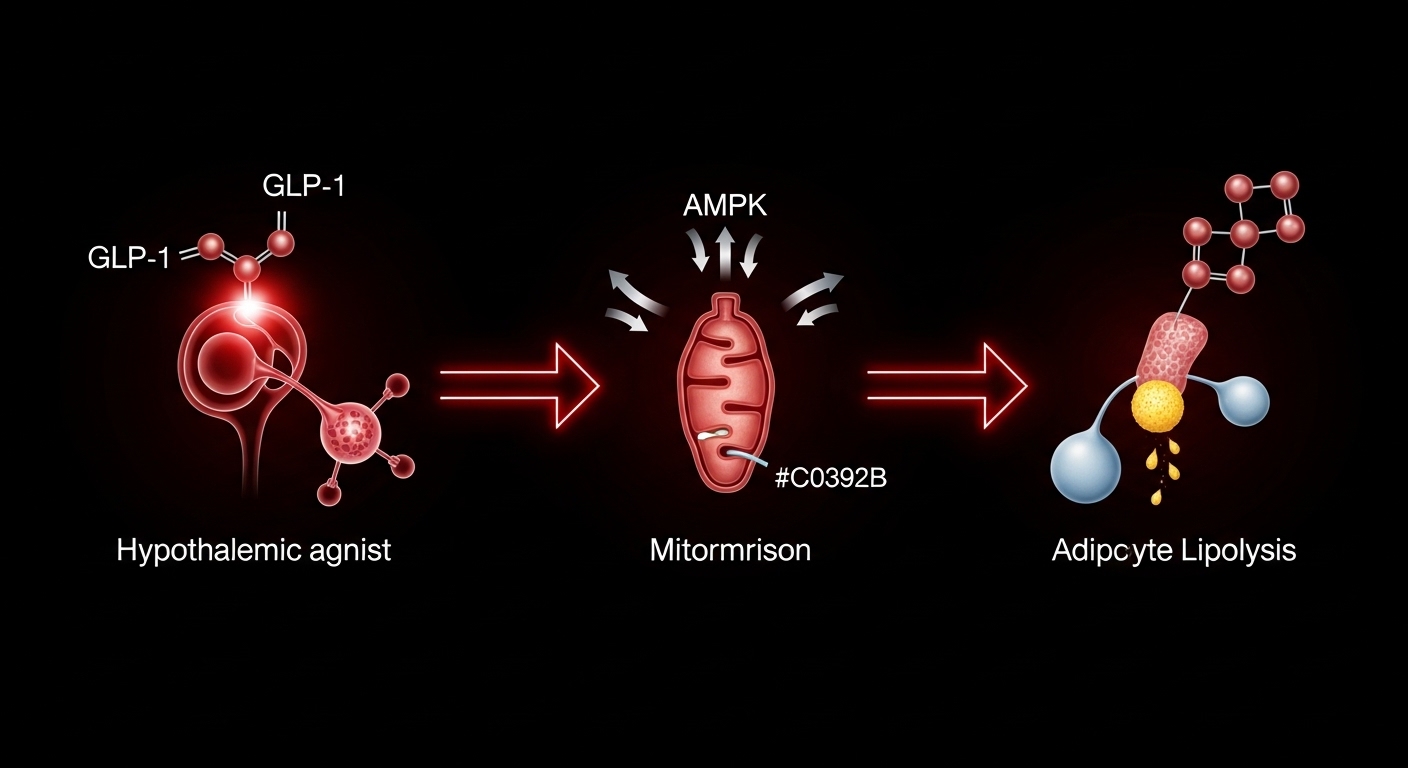
Updated May 2026. Understanding the Skinny and Fit peptide stack means tracking the latest preclinical research on all three compounds. This article covers current findings on multi-peptide metabolic stacks and updated regulatory context.
The Skinny and Fit peptide stack is an investigational combination of three compounds studied for their complementary roles in metabolic regulation: GLP-1 Sema, MOTS-c, and AOD-9604. The interest in combining them comes from a practical observation in metabolic research: single-compound approaches targeting one pathway rarely replicate the complexity of metabolic regulation as it actually functions in living systems.
Appetite, fat mobilization, and cellular energy production are not independent processes. They feedback on each other constantly. The hypothesis behind this stack is that targeting all three simultaneously, through compounds with non-overlapping mechanisms, might reveal interaction effects that single-compound studies can’t detect. That’s a research question, not a therapeutic claim. The stack remains fully investigational.
Key Research Findings
- GLP-1 Sema has 94% structural homology to endogenous GLP-1, with documented effects on hypothalamic appetite centers and glucose-dependent insulin secretion in preclinical models.
- MOTS-c, encoded within mitochondrial DNA, activates AMPK pathways and has reduced weight gain and improved glucose handling in high-fat diet rodent studies (first characterized 2015).
- AOD-9604 isolates the lipolytic C-terminal fragment of human growth hormone and selectively targets fat oxidation without significant insulin or IGF-1 pathway effects in animal research.
- Combining the three compounds addresses distinct rate-limiting metabolic factors: appetite input, mitochondrial efficiency, and fat mobilization, allowing researchers to study interaction effects that single-compound protocols cannot capture.
- All three compounds remain investigational with no approved therapeutic applications. Research protocols must follow applicable institutional oversight requirements.

What is the Skinny and Fit stack?
The Skinny and Fit stack is an experimental combination of three peptides studied for metabolic regulation research. The three compounds each target different aspects of metabolism:
- GLP-1 Sema: appetite regulation and glucose homeostasis via GLP-1 receptor agonism
- MOTS-c: mitochondrial energy regulation and fat oxidation via AMPK activation
- AOD-9604: selective lipolysis via the C-terminal fragment of human growth hormone
Each has its own preclinical evidence base. The stack research examines whether combining them produces interaction effects, particularly on the relationship between appetite regulation and cellular energy metabolism.
GLP-1 Sema in metabolic research
GLP-1 Sema is a glucagon-like peptide-1 receptor agonist with 94% structural homology to endogenous human GLP-1. In preclinical and clinical research contexts, it has been studied extensively for its effects on glucose homeostasis and caloric intake regulation.
The compound binds GLP-1 receptors in the hypothalamus, pancreatic beta cells, and gastrointestinal tract. Research has documented effects including slowed gastric emptying, enhanced insulin secretion in glucose-dependent fashion, and suppression of glucagon release. A 2024 study (PMID 39082206) examined GLP-1 Sema’s effects on energy intake and satiety signaling, finding meaningful reductions in food-seeking behavior in study models.
Additional research has examined its effects on insulin sensitivity, fasting glucose, and lipid profiles. The clinical trial literature on GLP-1 receptor agonists more broadly is extensive, giving researchers substantial context for interpreting preclinical results with GLP-1 Sema specifically.
Research protocols in published literature document GLP-1 Sema at doses ranging from 0.25 mg to 2.4 mg in human clinical trials (for other GLP-1 agonists), though research use with GLP-1 Sema specifically follows in vitro and preclinical animal protocols.
MOTS-c in metabolic research
MOTS-c is a 16-amino-acid peptide encoded within mitochondrial DNA, making it biologically distinct from nuclear-encoded peptides. Research published since 2015 has established its role in metabolic regulation, primarily through AMPK pathway activation.
In high-fat diet rodent models, MOTS-c administration reduced weight gain and improved glucose handling. It appears to enhance fat oxidation in skeletal muscle and support mitochondrial biogenesis, the process of generating new mitochondrial units. Recent 2026 research (PMID 41933740) has also characterized its role in ferroptosis resistance, adding a cellular resilience dimension to its metabolic profile.
In the stack context, MOTS-c’s role is specifically to address the mitochondrial efficiency side of metabolism. GLP-1 Sema handles the appetite and glucose side. These are mechanistically separate enough that the two compounds aren’t redundant when studied together.
AOD-9604 in fat metabolism research
AOD-9604 is a synthetic 15-amino-acid fragment corresponding to positions 176-191 of human growth hormone. Researchers studying growth hormone found that the C-terminal region was primarily responsible for lipolytic activity, while the N-terminal region drove the anabolic and glucose-modulating effects. AOD-9604 isolates the lipolytic portion.
Animal studies have documented increased fat oxidation rates following AOD-9604 administration, with apparent selectivity for adipose tissue. Unlike full-length growth hormone, AOD-9604 in preclinical research has not shown significant effects on insulin sensitivity or blood glucose, which makes it useful as a more targeted research tool for studying fat mobilization specifically.
The compound appears to act through beta-3 adrenergic receptor pathways, distinct from growth hormone receptor signaling. Research into whether these effects are additive with GLP-1 and MOTS-c is ongoing.
Why researchers study these three compounds together
The rationale for multi-peptide metabolic stacks isn’t a belief that more compounds are always better. It’s a hypothesis about mechanistic complementarity. GLP-1 Sema reduces caloric input. AOD-9604 targets fat mobilization. MOTS-c supports cellular energy efficiency. These are distinct rate-limiting factors in metabolism, and addressing all three creates a research design that more closely mirrors the complexity of the system being studied.
What researchers are looking for in stack studies specifically: Are the effects additive, meaning the combination produces the sum of individual effects? Are they greater than additive? Or does combining compounds actually reduce efficacy in some contexts? These are genuinely open questions that only combination studies can answer.
Early data suggest combined approaches may offer advantages over individual compounds in appetite control and metabolic flexibility endpoints, but full preclinical validation is still needed. No human trials examining this specific combination have been completed.
Research design considerations
Multi-compound research introduces complexity that single-compound studies avoid. Timing and sequencing matter: some peptides may be more effective when administered concurrently, others when staggered. The pharmacokinetics of GLP-1 Sema, MOTS-c, and AOD-9604 differ enough that protocol design requires careful attention to when each compound is active.
Dose optimization is also more complex with three compounds. Each variable multiplies the experimental space, meaning solid conclusions require larger studies or more targeted mechanistic work to isolate interactions. Researchers using this stack should build in controls that allow them to distinguish interaction effects from simple additive ones.
All three compounds in the Skinny and Fit stack remain research compounds with no approved therapeutic applications. Work with them must follow applicable institutional protocols.
Regulatory status
GLP-1 Sema, MOTS-c, and AOD-9604 as supplied for research purposes are not FDA-approved for therapeutic use in weight management or metabolic disorders. They are intended for in vitro and preclinical research only. Any research involving these compounds must comply with institutional review board requirements and laboratory safety protocols.
For research-grade compounds with verified purity, see the full Spartan Peptides catalog and quality assurance documentation.
Advance your metabolic stack research
Spartan Peptides offers research-grade GLP-1 Sema, MOTS-c, and AOD-9604 with 98%+ purity verification.
Frequently Asked Questions
What is the Skinny and Fit peptide stack?
The Skinny and Fit stack is an investigational combination of three peptides: GLP-1 Sema, MOTS-c, and AOD-9604. It is studied in research settings for potential interaction effects on appetite regulation, mitochondrial function, and fat metabolism. All three compounds remain research-only with no approved therapeutic applications.
How does GLP-1 Sema work in metabolic research?
GLP-1 Sema is a glucagon-like peptide-1 receptor agonist studied for its ability to modulate hypothalamic appetite centers, slow gastric emptying, and enhance insulin secretion. Preclinical research suggests it may support glucose homeostasis and reduce caloric intake in study models.
What is MOTS-c and why is it studied in metabolic research?
MOTS-c is a mitochondrial-derived peptide that research suggests may enhance metabolic flexibility by improving fat oxidation and activating AMPK pathways. Its inclusion in stack research targets mitochondrial efficiency alongside appetite regulation and lipolysis pathways.
What does research say about AOD-9604 and fat metabolism?
AOD-9604 is a synthetic fragment of growth hormone studied for selective lipolytic effects targeting fat breakdown without the systemic hormonal effects of full-length growth hormone. Animal studies have documented increased fat oxidation rates and reduced fat accumulation in treated subjects.
Are these peptides approved for human use in weight management?
No. GLP-1 Sema, MOTS-c, and AOD-9604 in this investigational stack context remain research compounds not approved for therapeutic use in weight management. They are intended for laboratory research purposes only and must comply with applicable institutional protocols.
Research Use Only, Not for Human Consumption
The peptides discussed in this article are intended for laboratory and research purposes only. They are not intended for human consumption. All information presented is based on published preclinical research and is provided for educational purposes only.
Written by the Spartan Research Team
Our team of peptide researchers and biochemists reviews every article for scientific accuracy. Learn more about our team →