
GHK-Cu is a copper peptide: the naturally occurring tripeptide glycine-histidine-lysine bound to a copper(II) ion. It was first identified in human serum in 1973. Preclinical resea...
All Articles
Browse all Spartan Peptides research articles. Covering the full spectrum of peptide science — from tissue repair and anti-aging to cognitive enhancement, weight loss, and immune function — all research-focused and citation-backed.
GHK-Cu Peptide: What It Is, How It Works and What the Research Shows
Author : Spartan Research Team
Learn More
Hormone Optimization Research Peptides: GH and HPG Axes Compared
Author : Spartan Research Team
Hormone optimization research peptides fall into two broad groups by the axis they act on. Growth hormone axis compounds include tesamorelin, CJC-1295, ipamorelin, and sermorelin, ...
Peptide Reconstitution and BAC Water: A Laboratory Handling Guide
Author : Spartan Research Team
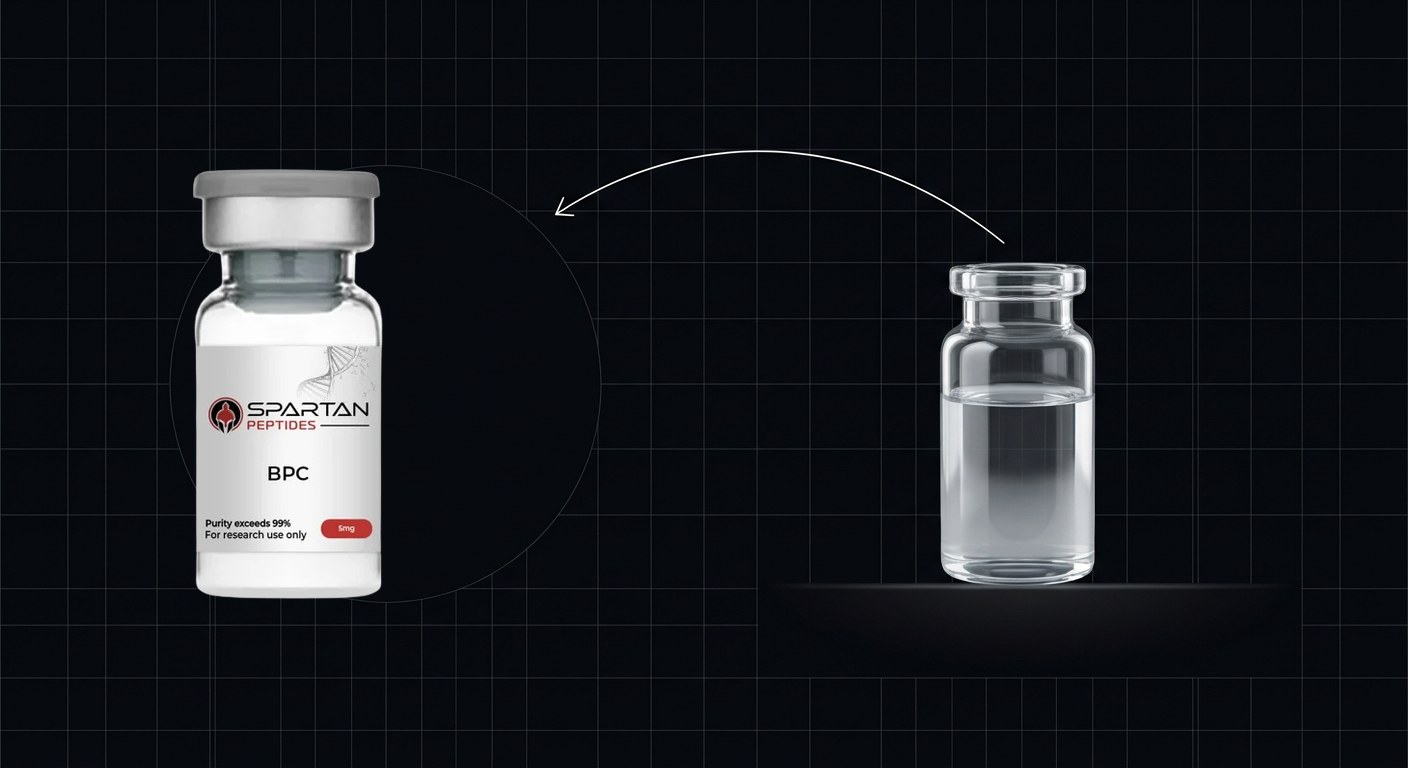
A practical lab protocol guide covering BAC water ratios, reconstitution math (mg to mcg conversions), how to read insulin syringes, storage temperatures, shelf life after reconsti...
Thymosin Beta-4: Structure, Function and How TB-500 Relates to It
Author : Spartan Research Team
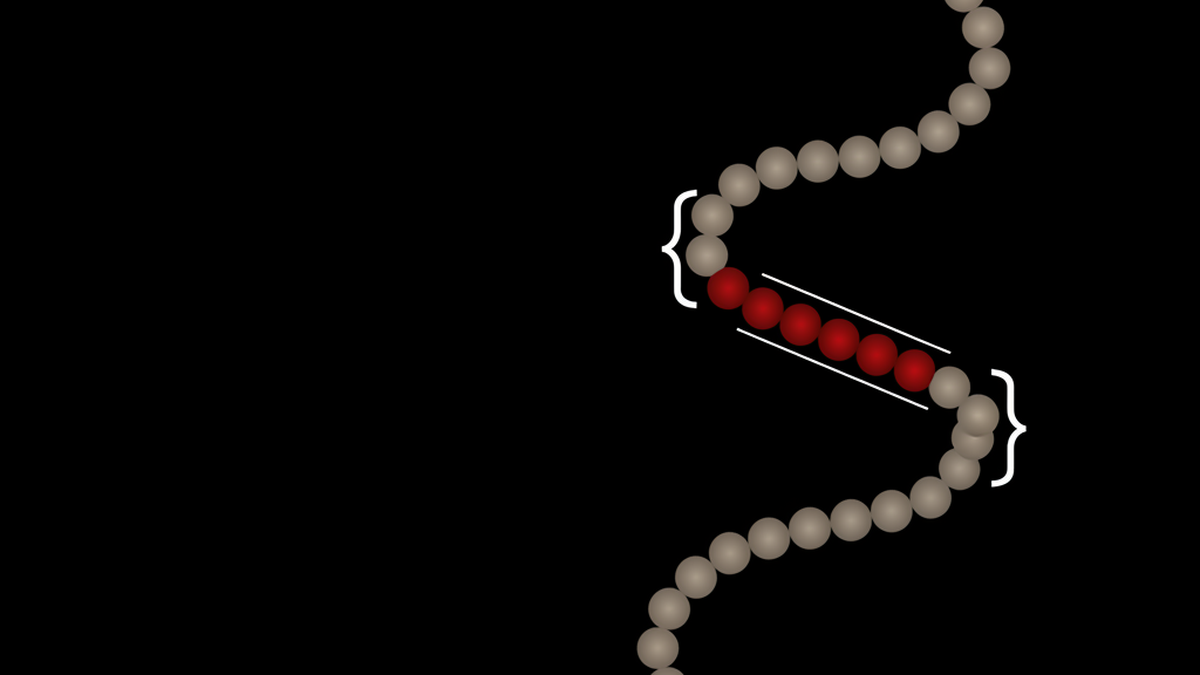
Thymosin beta-4 is a 43-amino-acid peptide found in most mammalian cells and the primary actin-sequestering molecule in eukaryotic cells. TB-500 is a synthetic seven-residue fragme...
Pinealon (EDR): Tripeptide Bioregulator Research Guide
Author : Spartan Research Team
Search for “pinealon” and you’ll find a strange gap. Dozens of comparison pages rank reasonably well for “pinealon vs semax” or “pinealon vs epi...
AOD-9604: What the Research Says About hGH Fragment 176-191
Author : Spartan Research Team
AOD-9604 is a synthetic 16-amino-acid peptide corresponding to the C-terminal region of human growth hormone, residues 176 to 191, with an added N-terminal tyrosine. It was develop...