
Kisspeptin vs Enclomiphene: Mechanisms and Research Compared

Written bySpartan Research Team
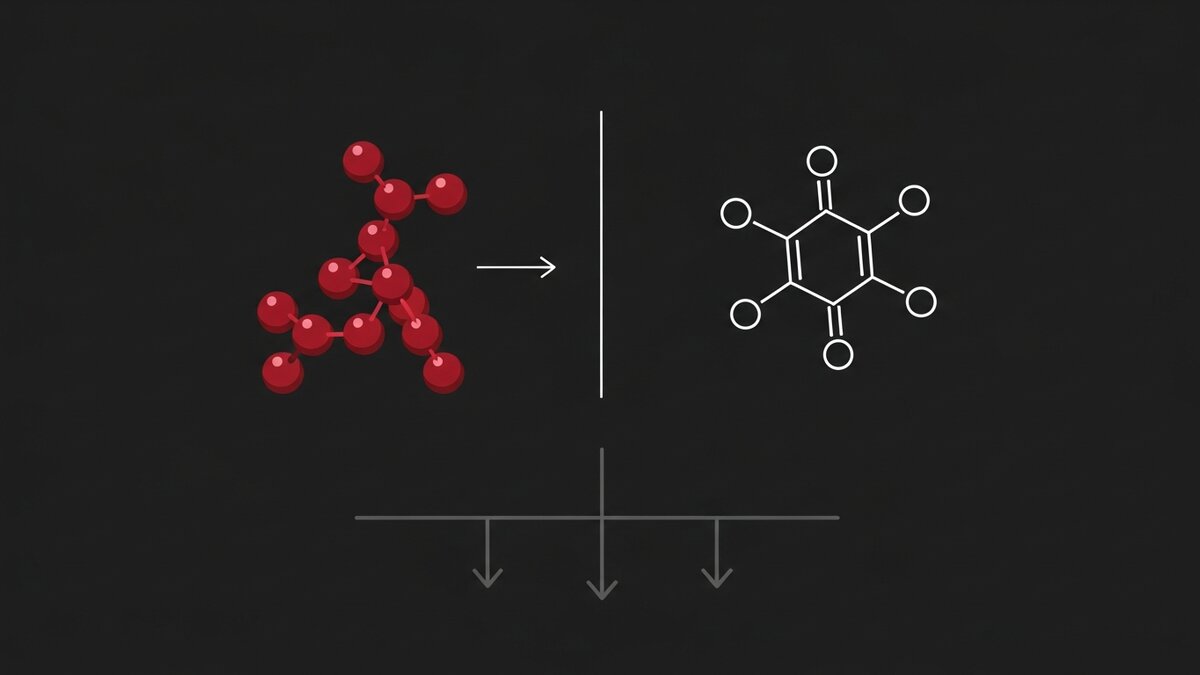
Kisspeptin vs enclomiphene searches, and the mirror image “enclomiphene vs kisspeptin” searches, both come up constantly in reproductive endocrinology research, but the query data splits almost evenly between two different questions. Some researchers want a straight kisspeptin vs enclomiphene comparison. Others want to know why the two names keep showing up in the same sentence at all, as in “and,” “with,” or “together.” We built this guide to answer both, because that second question has been underserved by nearly everything published on the topic so far.
The short version: kisspeptin activates a receptor at the very top of the hypothalamic pituitary gonadal axis. Enclomiphene blocks a receptor two steps downstream. Same axis, opposite ends, opposite pharmacological actions. That relationship, upstream agonist versus downstream antagonist, is exactly why the two names get paired in search queries even when nobody is asking for a straight comparison.
The HPG Axis in Brief
Neither compound makes sense outside the hypothalamic pituitary gonadal axis, so it’s worth laying out the whole cascade before getting into either one individually. The HPG axis is a three tier signaling loop. The hypothalamus sits at the top, the pituitary in the middle, and the gonads at the bottom, with a feedback loop running back up from the bottom to the top.
It starts with GnRH neurons in the hypothalamus, which fire in a pulsatile pattern and release gonadotropin releasing hormone (GnRH) into the hypophyseal portal system. That GnRH pulse travels a short distance to the anterior pituitary, where it stimulates the release of two gonadotropins, luteinizing hormone (LH) and follicle stimulating hormone (FSH). Those two hormones then act on the gonads, driving sex steroid production and, in combination with LH, supporting gametogenesis.
The loop closes with negative feedback. Circulating sex steroids, chiefly estrogen and testosterone, act back on the hypothalamus and pituitary to suppress further GnRH and gonadotropin release, keeping the whole system in a regulated range rather than firing without limit. Kisspeptin neurons sit inside this feedback loop as the actual sensors. They integrate the incoming hormonal signal and convert it into the GnRH pulse frequency and amplitude that drives everything downstream. This is also where GnRH neurons themselves have essentially no receptors for estrogen. The estrogen feedback signal reaches GnRH neurons indirectly, through the kisspeptin neuron population, which is a detail that matters for understanding where enclomiphene actually intervenes.

What Kisspeptin Is and Where It Acts
Kisspeptin is the peptide product of the KISS1 gene, first characterized as a metastasis suppressor before its reproductive role was identified. The connection to the HPG axis came from two independent 2003 human genetics papers. Seminara et al. described loss of function mutations in the kisspeptin receptor gene, then called GPR54, causing hypogonadotropic hypogonadism and a failure to enter puberty (PMID: 14573733). De Roux et al. reported the same finding independently that same year, identifying a homozygous GPR54 mutation in a family with isolated hypogonadotropic hypogonadism (PMID: 12944565). Two labs, two patient cohorts, one conclusion: without functional GPR54 signaling, puberty and reproductive hormone output simply do not happen.
That receptor is now called KISS1R. It sits on GnRH neurons in the hypothalamus, and kisspeptin binding to it is what triggers GnRH neuron depolarization and pulsatile GnRH release. This is the upstream position referenced throughout this guide. Kisspeptin doesn’t touch estrogen receptors, doesn’t touch the pituitary, and doesn’t touch the gonads directly. It acts one step before GnRH itself fires.
Shahab et al. extended the human genetics finding into primate research, showing that increased hypothalamic GPR54 signaling appears to be one mechanism involved in the timing of puberty onset in juvenile male rhesus monkeys (PMID: 15684075). Human intravenous administration studies followed. Dhillo et al. documented that kisspeptin-54 stimulates the HPG axis in healthy human males, producing measurable rises in LH, FSH, and testosterone after infusion (PMID: 16174713). Jayasena et al. later showed the gonadotropin response to kisspeptin-10 differs by sex, with distinct LH and FSH dynamics in men compared to women across the menstrual cycle (PMID: 21976724).
Fertility research picked up from there. Abbara et al. tested kisspeptin-54 as an oocyte maturation trigger in women undergoing IVF who were at high risk of ovarian hyperstimulation syndrome, reporting efficacy without the OHSS risk carried by the standard hCG trigger (PMID: 26192876). Kisspeptin research has also branched into behavior. Comninos et al. reported that kisspeptin modulates sexual and emotional brain processing in humans, using functional imaging to link peripheral kisspeptin administration to limbic activity patterns (PMID: 28112678). For a full treatment of kisspeptin’s biology, including the kisspeptin-10 versus kisspeptin-54 comparison, see the full kisspeptin signalling research guide.
What Enclomiphene Is and Where It Acts
Enclomiphene is the trans isomer of clomiphene citrate. Clomiphene itself is a racemic mixture of two isomers, enclomiphene and zuclomiphene, and pharmaceutical development eventually isolated the trans isomer specifically because it carries most of the estrogen receptor antagonist activity of interest, while the cis isomer (zuclomiphene) has a much longer half-life and a different receptor behavior. Enclomiphene is a selective estrogen receptor modulator, a class defined by tissue-selective estrogen receptor activity, acting as an antagonist in some tissues and an agonist in others.
In the HPG axis, enclomiphene’s relevant activity is antagonism at estrogen receptors in the hypothalamus and pituitary. Recall the feedback loop described above: circulating estrogen normally suppresses GnRH and gonadotropin output through a negative feedback signal. Enclomiphene blocks that signal from being received, which removes the brake on GnRH and gonadotropin secretion. The HPG axis, no longer sensing the estrogen feedback it expects, increases GnRH pulse frequency and gonadotropin output in response.
Wiehle and colleagues published Phase II clinical trial data on this mechanism, reporting that enclomiphene citrate stimulates testosterone production while preventing the oligospermia associated with exogenous testosterone replacement, in a randomized trial comparing enclomiphene to topical testosterone (PMID: 25044085). An earlier Phase II study by Kaminetsky et al. reported similar findings: oral enclomiphene citrate stimulated endogenous testosterone and sperm counts in men with low testosterone, again compared directly against a testosterone gel arm (PMID: 23530575). Wiehle et al. also reported pharmacodynamic and pharmacokinetic data specifically on testosterone restoration in men with secondary hypogonadism, characterizing the dose-response relationship in more detail (PMID: 23875626).
Enclomiphene is a pharmaceutical investigational compound developed under the brand name Androxa. It is orally bioavailable, unlike kisspeptin, which is a peptide administered parenterally in every published human study. That distinction, oral small molecule versus injected peptide, is one of the most practically relevant differences for researchers designing a study protocol around either compound. It should be treated strictly as a pharmaceutical research subject, never as something intended for personal use.
Direct Comparison
The table below lays out the core mechanistic and practical distinctions between the two compounds side by side.
| Kisspeptin | Enclomiphene | |
|---|---|---|
| Class | Neuropeptide | Selective estrogen receptor modulator |
| Molecular target | KISS1R (GPR54) | Estrogen receptor |
| Position in axis | Upstream of GnRH neurons | Hypothalamic feedback level |
| Pharmacological action | Receptor agonist | Receptor antagonist |
| Discovery context | 2003 human genetics of puberty (Seminara, de Roux) | Isomer separation from clomiphene citrate |
| Administration in research | Peptide, parenteral in published studies | Orally active in published trials |
| Regulatory status | Not approved for any indication | Not FDA approved |

Kisspeptin activates a receptor. Enclomiphene blocks one. That single distinction explains most of the practical differences in the table above: why one is injected and the other swallowed, why one has a fifty-plus year pharmaceutical history under a different name and the other was characterized within the last two decades, and why the research literature for each looks so different in shape. Researchers studying acute GnRH pulse dynamics reach for kisspeptin. Researchers studying sustained feedback-loop disruption and gonadotropin restoration reach for enclomiphene. For a related comparison involving one of these compounds and a different mechanism class entirely, see how PT-141 and kisspeptin differ mechanistically.
Why the Two Are Studied in Relation to One Another
This is the section most existing coverage of this topic skips, and it’s the reason a meaningful share of readers land on comparison pages that don’t answer their actual question. If you searched “kisspeptin and enclomiphene” or “enclomiphene with kisspeptin,” you weren’t asking which one wins a head-to-head. You were asking how the two relate. Here’s the honest answer.
They relate because they intervene at different points of a single continuous pathway. Kisspeptin acts upstream, at the KISS1R receptor on GnRH neurons, before GnRH has even been released. Enclomiphene acts downstream of that, at the estrogen receptor level, modulating how strongly the axis perceives its own negative feedback signal. Picture the HPG axis as a line with several stations along it. Kisspeptin’s station is near the very start. Enclomiphene’s station sits further down that same line, at the point where the system checks its own output and decides whether to keep going or throttle back.
That difference matters mechanistically in a specific way. A receptor agonist and a feedback antagonist do not produce comparable effects just because both can raise LH and FSH. Kisspeptin gives the axis a positive push it wouldn’t otherwise have at that moment, a stimulus with a defined onset that researchers can time precisely. Enclomiphene doesn’t push anything. It removes an inhibitory signal that would otherwise be dampening output, which produces a more diffuse and sustained shift rather than a discrete pulse. Same downstream hormones, different upstream logic entirely.

Now the part that needs to be stated plainly, because glossing over it is worse than useless to anyone doing real research design work. There is no controlled published research on combining kisspeptin and enclomiphene administration. Searching PubMed for the pairing turns up individual studies on each compound and zero controlled trials examining them together. That’s not an oversight in this article. It’s the actual state of the literature.
Saying that clearly is more useful than implying otherwise. A researcher who wants to know whether the compounds have been studied together deserves an honest no, not a vague sentence engineered to sound like a yes without technically claiming one. What can be said with confidence is the mechanistic case for why the pairing gets discussed at all: two non-overlapping intervention points on the same axis is a genuinely interesting study design question, even in the complete absence of existing combination data. Whether that translates into anything worth studying is an open question, and it’s one nobody has published an answer to yet.
What the Evidence Does Not Show
Kisspeptin’s human evidence base is built almost entirely on acute-administration physiology studies: single infusions, single injections, dose-response curves measured over hours. That’s a real and useful body of work for understanding receptor pharmacology and GnRH pulse dynamics, but it is not the same thing as chronic-administration research. There is comparatively little published data on what sustained kisspeptin exposure over weeks or months does to the axis, including whether repeated agonism produces receptor desensitization, a known behavior for many GPCR agonists that hasn’t been thoroughly mapped for KISS1R in humans.
Enclomiphene’s evidence base looks different but has its own limit. Multiple Phase II and Phase III trials were completed, and the pharmacodynamic data on testosterone, LH, and FSH is comparatively mature. What the evidence does not show is regulatory approval. The compound, developed under the name Androxa, went through the clinical trial process and did not receive FDA approval, and its formal development program was subsequently discontinued. A mature dataset is not the same thing as an approved indication, and researchers citing enclomiphene’s Phase III history should be precise about that distinction.
Neither compound’s evidence base includes controlled research on the two administered together, a point already covered above but worth repeating here in the context of overall evidentiary limits. Kisspeptin’s acute-only human dataset and enclomiphene’s approval gap are two separate, specific limitations. Neither is a reason to dismiss the mechanistic research on either compound, but both should shape how confidently any claim about either one gets stated.
🔬 KEY RESEARCH FINDINGS
- GPR54 loss of function halts puberty: Two independent 2003 human genetics papers, Seminara and colleagues and de Roux and colleagues, each identified GPR54 (now KISS1R) mutations causing hypogonadotropic hypogonadism, establishing kisspeptin signaling as essential to reproductive axis activation (PMID 14573733, PMID 12944565).
- Kisspeptin-54 raises LH, FSH, and testosterone in men: Dhillo and colleagues documented HPG axis stimulation following intravenous kisspeptin-54 administration in healthy male volunteers (PMID 16174713).
- Enclomiphene restores testosterone while preserving sperm counts: Two separate Phase II trials, Kaminetsky and colleagues and Wiehle and colleagues, reported enclomiphene increased endogenous testosterone without the spermatogenesis suppression seen with topical testosterone (PMID 23530575, PMID 25044085).
- No controlled combination research exists: A PubMed search for kisspeptin and enclomiphene administered together returns individual-compound studies only. The mechanistic case for studying them in relation to one another is real; the combination trial data is not.
- Enclomiphene never reached FDA approval: Despite completed Phase III trials under the brand name Androxa, enclomiphene’s development program was discontinued without regulatory approval, a gap distinct from kisspeptin’s earlier-stage, largely acute-administration evidence base.
Frequently Asked Questions
What is the difference between kisspeptin and enclomiphene?
Kisspeptin is an endogenous neuropeptide that activates the KISS1R receptor on GnRH neurons, serving as an upstream regulator of the HPG axis. Enclomiphene is a synthetic selective estrogen receptor modulator that blocks estrogen negative feedback at the hypothalamus and pituitary. They belong to entirely different compound classes, peptide versus small molecule, with opposite pharmacological actions: agonist versus antagonist.
Where does kisspeptin act in the HPG axis?
Kisspeptin acts upstream of GnRH release, binding KISS1R on GnRH neurons in the hypothalamus and triggering the pulsatile GnRH secretion that drives the rest of the axis. It doesn’t interact with estrogen receptors, the pituitary, or the gonads directly. Its position is the earliest point in the cascade of any compound discussed in this guide.
What does enclomiphene do to LH and FSH in published research?
Phase II and Phase III trial data, including Kaminetsky et al. (2013, PMID: 23530575) and Wiehle et al. (2014, PMID: 25044085), report that enclomiphene increases LH, FSH, and total testosterone in men with secondary hypogonadism, with the mechanism attributed to estrogen receptor blockade removing negative feedback at the hypothalamic and pituitary level.
Are kisspeptin and enclomiphene studied together?
This is the question search data suggests the most people actually want answered, and the honest answer is no. There is no controlled published research on combined administration of the two compounds. What is documented is the mechanistic relationship between them, upstream receptor agonist versus downstream feedback antagonist on the same axis, which is a real and interesting research question. It just hasn’t been tested as a combination in any published trial.
What is kisspeptin-10 and how does it differ from kisspeptin-54?
Kisspeptin-10 is the minimal bioactive fragment of the kisspeptin family, a 10-amino-acid C-terminal sequence retaining full KISS1R binding activity through its RF-amide motif. Kisspeptin-54 is the full-length gene product, with a longer plasma half-life than the shorter fragment. Kisspeptin-10 tends to be the preferred research tool for acute LH pulse studies because of its synthetic accessibility.
Is enclomiphene the same as clomiphene?
No. Clomiphene citrate is a racemic mixture of two isomers, enclomiphene (trans) and zuclomiphene (cis). Enclomiphene was isolated and developed on its own because it carries most of the estrogen receptor antagonist activity of interest, while zuclomiphene has a much longer half-life and different receptor behavior. Enclomiphene is a component of clomiphene, not a separate compound entirely.
Are either compound approved by the FDA?
No. Kisspeptin has no FDA approval for any indication. Enclomiphene, developed under the brand name Androxa, completed multiple Phase III trials but did not receive FDA approval, and its clinical development program was later discontinued. Both remain investigational compounds supplied for laboratory research only.
References
- Seminara SB, Messager S, Chatzidaki EE, et al. The GPR54 gene as a regulator of puberty. N Engl J Med. 2003 Oct 23;349(17):1614-27. PMID: 14573733
- de Roux N, Genin E, Carel JC, Matsuda F, Chaussain JL, Milgrom E. Hypogonadotropic hypogonadism due to loss of function of the KiSS1-derived peptide receptor GPR54. Proc Natl Acad Sci U S A. 2003 Sep 16;100(19):10972-6. PMID: 12944565
- Shahab M, Mastronardi C, Seminara SB, Crowley WF, Ojeda SR, Plant TM. Increased hypothalamic GPR54 signaling: a potential mechanism for initiation of puberty in primates. Proc Natl Acad Sci U S A. 2005 Feb 8;102(6):2129-34. PMID: 15684075
- Dhillo WS, Chaudhri OB, Patterson M, et al. Kisspeptin-54 stimulates the hypothalamic-pituitary gonadal axis in human males. J Clin Endocrinol Metab. 2005 Dec;90(12):6609-15. PMID: 16174713
- Jayasena CN, Nijher GM, Comninos AN, et al. The effects of kisspeptin-10 on reproductive hormone release show sexual dimorphism in humans. J Clin Endocrinol Metab. 2011 Dec;96(12):E1963-72. PMID: 21976724
- Abbara A, Jayasena CN, Christopoulos G, et al. Efficacy of kisspeptin-54 to trigger oocyte maturation in women at high risk of ovarian hyperstimulation syndrome (OHSS) during in vitro fertilization (IVF) therapy. J Clin Endocrinol Metab. 2015 Sep;100(9):3322-31. PMID: 26192876
- Comninos AN, Wall MB, Demetriou L, et al. Kisspeptin modulates sexual and emotional brain processing in humans. J Clin Invest. 2017 Feb 1;127(2):709-19. PMID: 28112678
- Kaminetsky J, Werner M, Fontenot G, Wiehle RD. Oral enclomiphene citrate stimulates the endogenous production of testosterone and sperm counts in men with low testosterone: comparison with testosterone gel. J Sex Med. 2013 Jun;10(6):1628-35. PMID: 23530575
- Wiehle R, Cunningham GR, Pitteloud N, et al. Testosterone restoration by enclomiphene citrate in men with secondary hypogonadism: pharmacodynamics and pharmacokinetics. BJU Int. 2013;112(8):1188-1200. PMID: 23875626
- Wiehle RD, Fontenot GK, Wike J, Hsu K, Nydell J, Lipshultz L; ZA-203 Clinical Study Group. Enclomiphene citrate stimulates testosterone production while preventing oligospermia: a randomized phase II clinical trial comparing topical testosterone. Fertil Steril. 2014 Sep;102(3):720-7. PMID: 25044085
Related Reading
Researchers exploring the reproductive hormone axis in more depth can review the full kisspeptin signalling research guide for a deeper treatment of KISS1R biology and the kisspeptin-10 versus kisspeptin-54 distinction, or how PT-141 and kisspeptin differ mechanistically for a comparison against a melanocortin-pathway compound rather than a SERM. For a broader view of the hormone axis research space, see peptides studied across the hormone axis. Researchers can source research-grade kisspeptin-10 research peptide directly from Spartan Peptides, third party tested for purity and identity.
This article was prepared by the Spartan Research Team for informational and research purposes only. Kisspeptin and enclomiphene are supplied and discussed here strictly as research compounds. These statements have not been evaluated by the Food and Drug Administration. This content is not intended to diagnose, treat, cure, or prevent any disease, is not medical advice, and is not for human consumption.
Written by the Spartan Research Team
Our team of peptide researchers and biochemists reviews every article for scientific accuracy. Learn more about our team →