
GHK-Cu and Collagen Synthesis: What Research Shows About Wound Healing and Tissue Repair

Written bySpartan Research Team
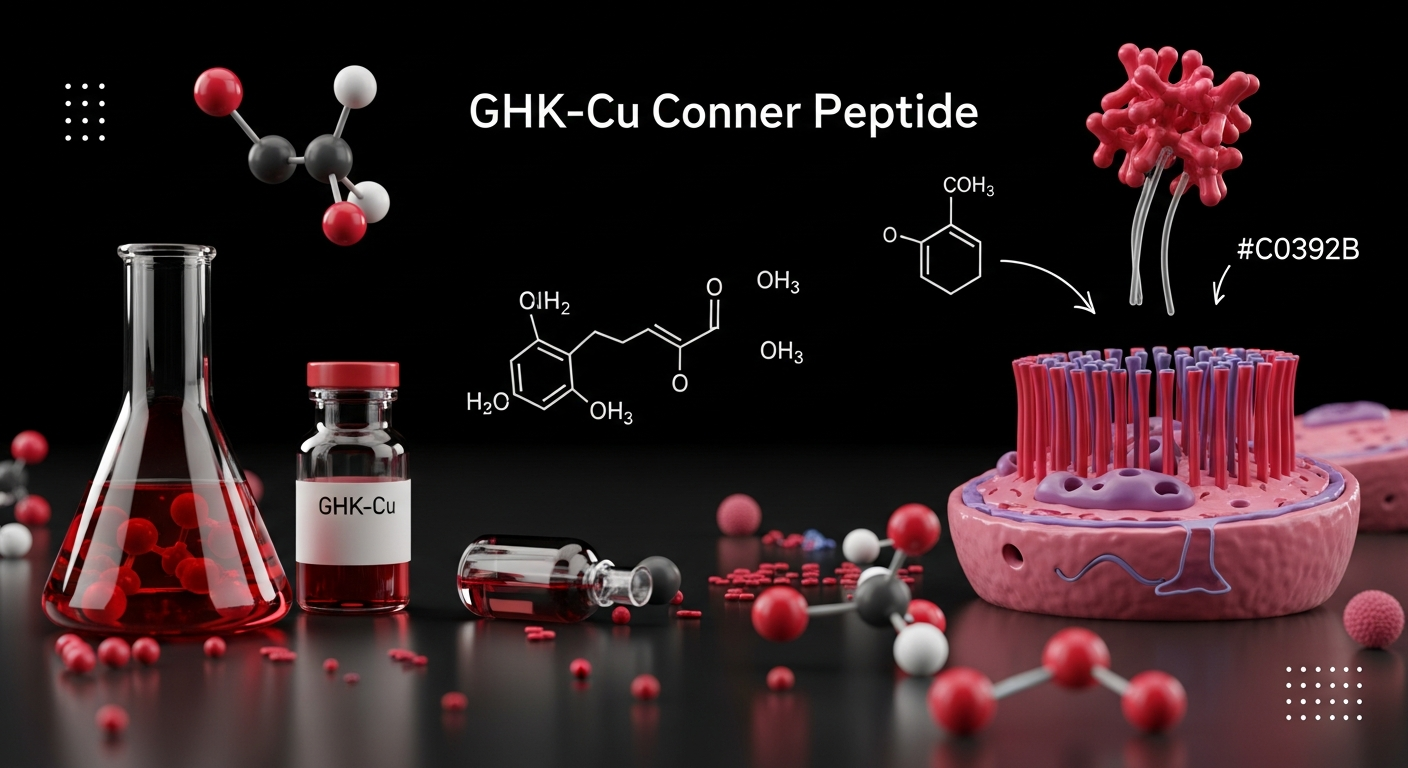
GHK-Cu (glycyl-L-histidyl-L-lysine copper complex) is a naturally occurring tripeptide-copper complex found in human plasma, saliva, and urine. First identified by Loren Pickart in 1973, GHK-Cu has been extensively studied as a biological signaling peptide that mimics the body’s damage response in connective tissue. When tissue injury occurs, plasma GHK-Cu concentrations rise dramatically, activating a cascade of repair processes that include fibroblast recruitment, collagen synthesis, and angiogenesis. This remarkable signaling behavior makes GHK-Cu one of the most studied peptides in regenerative biology research, with particular focus on its role in wound healing and tissue remodeling.
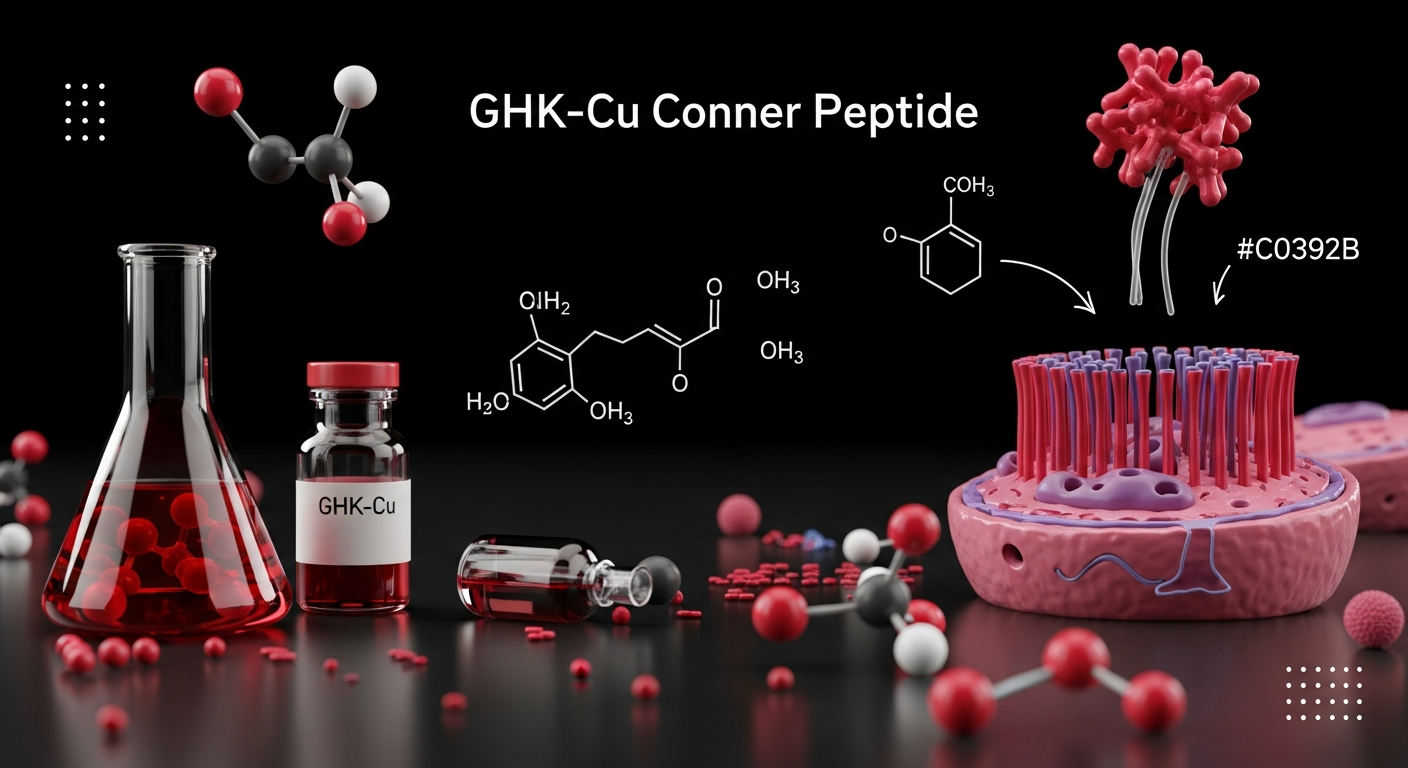
🔬 Key Research Findings
- GHK-Cu has been shown to increase collagen synthesis in fibroblast cultures by stimulating TGF-β signaling pathways and upregulating collagen I/III gene expression.
- In preclinical wound models, GHK-Cu liposome formulations significantly accelerated wound closure through promotion of angiogenesis and cell proliferation.
- The tripeptide-copper complex demonstrates dual MMP regulation: inhibiting MMP-1 and MMP-2 while selectively stimulating MMP-9, supporting balanced extracellular matrix remodeling.
- Topical copper tripeptide application in irradiated tissue models restored fibroblast activity and collagen deposition comparable to non-irradiated controls.
- GHK-Cu upregulates VEGF expression, promoting vascular endothelial growth and new capillary formation critical to wound bed perfusion.
In preclinical research, GHK-Cu has demonstrated a capacity to modulate over 4,000 human genes, according to bioinformatics analyses by Pickart and colleagues. Among these, a significant subset relates directly to extracellular matrix (ECM) maintenance, collagen production, and tissue repair signaling. This article reviews the mechanistic research underpinning GHK-Cu’s role in collagen synthesis and wound healing, covering key pathways, comparative data with other research compounds, and relevant protocol parameters observed in preclinical models.
Researchers may also find relevant context in our guide to The Complete Guide to Peptide Stacking: How to Combine Research Peptides for Maximum Results.
Research Compound
GHK-Cu (copper tripeptide-1) is available as a research-grade compound from Spartan Peptides — 50mg lyophilized powder, HPLC-verified at ≥98% purity, with third-party COA.
GHK-Cu 50mg — Research Grade ≥98% HPLCHow GHK-Cu Upregulates Collagen Synthesis
Collagen is the primary structural protein in mammalian connective tissue, and its production is tightly regulated by a network of growth factors, signaling peptides, and enzymatic processes. Research into GHK-Cu’s effects on collagen synthesis has consistently shown that this tripeptide complex acts at multiple regulatory points within this network.
In fibroblast culture studies, GHK-Cu has been shown to stimulate production of both type I and type III collagen, the two primary collagens involved in wound healing. Type I collagen provides tensile strength to healed tissue, while type III collagen, which predominates in early wound repair, supports a more pliable matrix that facilitates tissue remodeling. GHK-Cu appears to influence the ratio of these collagens in a manner that supports a balanced repair profile, rather than promoting excessive fibrosis.
A key mechanism involves the transforming growth factor-beta (TGF-β) signaling pathway. TGF-β is a central regulator of fibroblast activity and collagen gene expression. Research indicates that GHK-Cu can upregulate TGF-β receptor expression on fibroblasts, effectively sensitizing these cells to pro-collagen signals. In vitro work using LED photoirradiation of fibroblast cultures demonstrated that copper peptide supplementation significantly increased collagen synthesis compared to untreated controls, suggesting a synergistic interaction between GHK-Cu and cellular bioenergetic pathways.
Beyond TGF-β, GHK-Cu influences integrin expression patterns on keratinocytes and fibroblasts. Integrins serve as mechanoreceptors that regulate cell-matrix interactions and downstream collagen gene transcription. Studies have found that GHK-Cu increases integrin expression and the transcription factor p63, both of which support the proliferative and synthetic activity of dermal fibroblasts. Stem cell recovery data from keratinocyte models further suggest that GHK-Cu maintains progenitor cell populations capable of supporting sustained collagen production throughout the repair process.
Wound Healing Mechanisms
Wound healing is a complex, multi-phase biological process requiring coordinated cellular responses including inflammation, proliferation, angiogenesis, and remodeling. GHK-Cu research has documented its involvement across several of these phases, positioning it as a multi-modal signal in the wound healing cascade.
🧪 Available for Research
GHK-Cu (Copper Peptide) 50mg is available as a research-grade compound at Spartan Peptides. Each vial is independently HPLC-tested for ≥98% purity
Buy GHK-Cu 50mg — ≥98% Purity, COA Included →
Researchers may also find relevant context in our guide to Quality Control in Peptide Research: Interpreting Purity and Lab Tests.
Vascular Endothelial Growth Factor (VEGF) Upregulation: VEGF is the primary driver of angiogenesis (the formation of new blood vessels), essential to delivering oxygen and nutrients to healing tissue. Research using GHK-Cu liposome formulations in murine scald wound models demonstrated significantly elevated VEGF expression in treated wounds compared to controls, with corresponding increases in capillary density and wound closure rates. Angiogenesis measurements confirmed that GHK-Cu promoted functional neovascularization, not merely VEGF transcription alone.
Macrophage Activation and Inflammatory Modulation: GHK-Cu demonstrates a nuanced relationship with inflammatory signaling. Rather than broadly suppressing inflammation in ways that would impair the initial wound-cleaning phase. Research suggests GHK-Cu helps transition macrophages from the pro-inflammatory M1 phenotype toward the anti-inflammatory, pro-healing M2 phenotype at appropriate stages of repair. This macrophage polarization supports the shift from debridement to tissue regeneration.
Re-Epithelialization: The restoration of an intact epithelial barrier is a critical endpoint in wound healing research. GHK-Cu has been studied in models examining keratinocyte migration and proliferation, both of which are required for effective re-epithelialization. Studies on copper-free GHK demonstrated stem cell recovery effects in skin models, with copper chelation appearing to modulate, rather than abolish, this activity. Topical application in irradiated wound models showed GHK-Cu’s capacity to restore epithelial regeneration in tissue compromised by radiation damage.
A 2017 study using GHK-Cu-loaded liposomes in murine scald wounds demonstrated significant improvements in all major healing parameters: wound closure rate, histological markers of granulation tissue formation, collagen deposition, and vascular density. This multi-parameter efficacy underscores the breadth of GHK-Cu’s signaling activity in wound biology.
MMP Regulation: Balancing Breakdown and Repair
Matrix metalloproteinases (MMPs) are a family of zinc-dependent endopeptidases responsible for degrading extracellular matrix components. During wound healing, MMPs play dual roles: they facilitate tissue debridement and cell migration in early healing phases, while excessive or prolonged MMP activity can impair matrix deposition and delay closure. GHK-Cu’s interaction with the MMP system is one of its most pharmacologically nuanced aspects.
Research has documented that GHK-Cu selectively modulates different MMPs in opposing directions, reflecting a biologically sophisticated regulatory role rather than simple enzyme inhibition or activation.
MMP-1 Inhibition: MMP-1 (collagenase-1) degrades fibrillar collagens including type I, the primary structural collagen. Excessive MMP-1 activity in chronic wounds contributes to collagen destruction faster than it can be replaced. GHK-Cu research has demonstrated inhibitory effects on MMP-1 expression in fibroblast models, which may help preserve the collagen scaffold being actively synthesized during repair.
MMP-2 Regulation: MMP-2 (gelatinase A) degrades denatured collagen and basement membrane components. Studies have shown complex interactions between GHK-Cu and MMP-2, with effects that vary by concentration and cellular context. Some research suggests inhibitory effects at certain concentration ranges relevant to physiological signaling.
Researchers may also find relevant context in our guide to TB-500 (Thymosin Beta-4): The Complete Research Guide to Recovery and Repair.
MMP-9 Promotion: Critically, GHK-Cu has been shown to stimulate MMP-9 expression. MMP-9 (gelatinase B) is involved in degrading damaged basement membrane and facilitating the migration of repair cells (both keratinocytes and fibroblasts) into the wound site. This targeted promotion of MMP-9, combined with inhibition of MMP-1 and MMP-2, represents a nuanced remodeling signal: clear the path for migrating cells while preserving the structural collagen matrix being laid down.
A key study by Siméon et al. (2000) demonstrated that the GHK-Cu complex directly stimulated MMP-2 expression (gelatinase A) in fibroblast cultures, while other research documented differential effects on collagenolytic activity. The concentration-dependent nature of these effects highlights the importance of precise concentration control in experimental models.
Comparison with Other Wound Healing Research Compounds
GHK-Cu research does not exist in isolation and is often contextualized alongside other peptide research compounds with wound healing profiles, particularly BPC-157 (body protection compound 157), a pentadecapeptide derived from gastric juice protein.
GHK-Cu vs. BPC-157: Mechanistic Differences:
Both compounds have demonstrated angiogenic effects in preclinical models, but through distinct mechanisms. BPC-157 has been shown to upregulate VEGFR2 (vascular endothelial growth factor receptor 2) and promote angiogenesis through nitric oxide (NO) system modulation, as documented in research examining its effects on muscle and tendon healing. GHK-Cu, by contrast, appears to act more directly on fibroblast signaling and collagen gene transcription, with VEGF upregulation occurring as part of a broader tissue remodeling response.
Matrix vs. Vascular Focus: GHK-Cu research emphasizes effects on the extracellular matrix, specifically collagen synthesis, MMP regulation, and matrix architecture. BPC-157 research has shown particularly strong effects on vascular structures and tendon-to-bone junction repair. These complementary profiles have motivated research interest in combined study designs, though direct head-to-head comparison data in identical models remain limited.
Delivery and Stability: GHK-Cu research has explored multiple delivery formats including topical application, liposomal encapsulation, and collagen matrix incorporation. BPC-157 research has primarily used subcutaneous and oral administration routes in rodent models. The different delivery modalities reflect both the compounds’ distinct physical chemistry and the anatomical targets of interest in each research program.
Irradiated Tissue Models: A notable area where GHK-Cu has been specifically studied is radiation-compromised tissue. Studies in irradiated rat models demonstrated that copper tripeptide complex restored fibroblast function and collagen deposition in tissue where radiation had suppressed normal healing responses, a finding with potential implications for understanding repair biology in tissue with compromised vascularity.
Additional research context on copper peptides can be found in our guide to GHK-Cu (Copper Peptide) Now Available: What Researchers Need to Know About This Tissue Repair and Anti-Aging Compound.
Research Protocol Considerations
Understanding GHK-Cu’s biological activity requires careful attention to the concentration ranges, delivery methods, and model systems used in preclinical research. The compound’s effects are often highly concentration-dependent, and results obtained in one experimental context may not directly translate to others.
Concentration Ranges: In vitro fibroblast studies have typically used GHK-Cu concentrations ranging from 1 nM to 10 μM, with different effects observed across this range. At nanomolar concentrations, GHK-Cu may act primarily as a signaling molecule, while higher concentrations in some models have shown different activity profiles. The physiological reference range for plasma GHK-Cu in young adults is approximately 200 ng/mL, declining with age, a concentration context that informed early research designs.
Topical vs. Systemic Delivery in Animal Models: Wound healing studies have used both topical application (creams, hydrogels, collagen matrices) and subcutaneous delivery. Liposomal formulations have been studied to improve dermal penetration and prolong residence time at the wound site. Biotinylated GHK incorporated into collagen matrices has been evaluated in rat dermal wound models, demonstrating enhanced healing compared to plain collagen controls.
Model Selection: Research has used a range of wound models including excisional wounds, incisional wounds, scald burn models, and irradiated tissue models. Diabetic wound models have also been studied, given the clinical relevance of impaired healing in metabolic disease. Each model type captures different aspects of wound biology, and GHK-Cu’s performance has varied across models in ways that reflect these underlying biological differences.
Formulation Effects: The carrier system significantly affects GHK-Cu’s research outcomes. Liposomal GHK-Cu in the 2017 murine study showed markedly superior wound healing metrics compared to free peptide, attributed to improved stability and sustained release at the wound site. Collagen matrix incorporation studies likewise showed enhanced efficacy compared to solution-phase delivery.
Longevity and Cellular Aging Research
One of the more striking findings in GHK-Cu research is the peptide’s age-related decline. Plasma GHK-Cu concentrations in young adults sit at roughly 200 ng/mL. By age 60, that figure drops to around 80 ng/mL, a reduction of approximately 60%. This decline tracks with several markers of age-related tissue deterioration, and researchers examining longevity mechanisms have started asking whether declining GHK-Cu is a contributor to, rather than merely a correlate of, biological aging.
The gene expression data from Pickart and colleagues provides the most compelling mechanistic context here. Bioinformatics analyses using the Broad Institute Connectivity Map identified GHK-Cu as a modulator of more than 4,000 human genes, with the expression signature appearing to reverse patterns associated with aging and age-related disease (PMID: 25904764). Among the most studied targets is FOXO3, a transcription factor strongly linked to longevity in centenarian populations that regulates stress resistance, autophagy, and DNA repair. GHK-Cu research documents upregulation of FOXO3-adjacent gene networks, suggesting the peptide may interface with core longevity signaling at the transcriptional level.
Antioxidant enzyme activity is another dimension. GHK-Cu has demonstrated upregulation of superoxide dismutase (SOD) and catalase expression in preclinical models, along with measurable reductions in lipid peroxidation. Oxidative stress accumulation is central to the cellular aging process, and compounds that induce endogenous antioxidant enzyme production rather than delivering exogenous antioxidants represent a mechanistically distinct research approach. Researchers exploring longevity-focused compound panels should note that GHK-Cu’s longevity-relevant biology overlaps minimally with compounds like Epithalon (which targets telomerase) or NAD+ precursors (which target mitochondrial metabolism), making combinatorial investigation a scientifically grounded next step. See the GHK-Cu stacking research guide for documented combination approaches.
Anti-Inflammatory Mechanisms
GHK-Cu’s anti-inflammatory activity is more specific and mechanistically grounded than most summary descriptions suggest. The compound does not broadly suppress inflammation as a secondary effect of tissue repair. It directly engages NF-kB signaling, the master inflammatory transcription factor governing expression of IL-6, TNF-alpha, IL-1beta, COX-2, and hundreds of related mediators. The mechanism operates through upstream modulation of inhibitor of kappa B (IkB) kinase activity, which normally phosphorylates and degrades IkB proteins, freeing NF-kB to drive inflammatory gene transcription. GHK-Cu helps stabilize IkB, reducing NF-kB nuclear translocation and the downstream cytokine cascade (PMID: 25904764).
The quantitative cytokine data from challenge models is worth noting. Research using LPS-stimulated macrophage models and UV-challenged skin cell lines has documented percentage reductions in IL-6 and TNF-alpha secretion following GHK-Cu treatment, with some studies reporting reductions in the 30 to 60% range compared to untreated challenge controls. COX-2 suppression has been documented in skin inflammation models, adding prostaglandin pathway modulation to the mechanism picture.
Macrophage polarization research adds nuance. Rather than indiscriminately blocking macrophage activity (which would impair the early inflammatory debridement phase of wound healing), GHK-Cu research documents a shift in macrophage phenotype from pro-inflammatory M1 toward the anti-inflammatory, pro-healing M2 profile at later stages of the inflammatory response. This time-appropriate polarization behavior is consistent with GHK-Cu behaving as a biological signaling compound rather than a pharmacological blocker. Researchers building inflammation protocol panels will find that GHK-Cu’s NF-kB mechanism is distinct from corticosteroid-based or COX inhibitor-based approaches, with a more selective and tissue-repair-compatible effect profile.
Neuroprotection Research
A parallel body of neuroprotection research on GHK-Cu has developed alongside the better-known wound healing and dermal literature. Across neural cell models, spinal cord injury paradigms, and aged rodent cognition studies, a consistent pattern has emerged: GHK-Cu upregulates neurotrophic factors, suppresses neuroinflammation through NF-kB pathway blockade, and modulates gene expression networks that deteriorate in neurodegenerative contexts.
Nerve growth factor (NGF) upregulation is one of the more directly documented findings. NGF is critical for the survival and maintenance of sympathetic and sensory neurons, and its signaling declines progressively in aged neural tissue. GHK-Cu’s documented NGF stimulation appears to sit within its broader gene expression modulation signature rather than representing a direct receptor interaction, which is mechanistically coherent with the transcriptomic reactivation data showing GHK-Cu shifting aging gene expression profiles toward younger patterns (PMID: 25904764).
Spinal cord injury rodent models have yielded some of the most striking neuroprotection data. Research in standardized SCI paradigms documented improvements in nerve fiber density following GHK-Cu administration alongside reductions in glial scarring marker expression. These findings are mechanistically coherent with GHK-Cu’s anti-inflammatory NF-kB activity because the secondary injury cascade in SCI involves microglial activation, sustained pro-inflammatory cytokine release, and reactive oxygen species generation. GHK-Cu has documented activity against all of these pathways. Copper’s role in neuropeptide processing and neurotransmitter enzyme function (including dopamine beta-hydroxylase) adds a further dimension that makes GHK-Cu biochemically relevant to neural tissue research beyond gene expression effects alone.
Gut and Gastrointestinal Research
Gastrointestinal research on GHK-Cu is an emerging area that has received less systematic attention than dermal applications, but the mechanistic case is well grounded. The gastric mucosa is a specialized epithelial layer that depends on continuous ECM remodeling and collagen synthesis for structural integrity. GHK-Cu’s documented upregulation of collagen I and III synthesis through COL1A1 and COL3A1 gene targets is not skin-specific. The fibroblast populations that maintain mucosal connective tissue express the same collagen synthesis pathways, and SPARC and decorin upregulation data from Pickart’s transcriptomic analyses covers targets common to fibroblast populations across tissue types (PMID: 25904764).
Intestinal epithelial cell research adds a complementary angle. IECs turn over completely every three to five days, making them highly dependent on efficient growth factor signaling and adequate ECM scaffolding. GHK-Cu has demonstrated activity on keratinocyte growth factor (KGF) and hepatocyte growth factor (HGF) pathways, both of which support intestinal epithelial renewal. In inflammatory contexts, NF-kB suppression is particularly relevant because chronic NF-kB activation drives the disruption of tight junction proteins (claudin, occludin) that characterizes increased intestinal permeability in colitis models.
Colitis model research has examined GHK-Cu’s macrophage polarization activity in the context of intestinal inflammation, where the M1 to M2 shift documented in wound healing models may reduce mucosal inflammatory burden during recovery phases. BPC-157 remains more extensively characterized in GI repair contexts, operating through nitric oxide pathway modulation and EGF receptor signaling. These mechanisms are distinct enough from GHK-Cu’s collagen synthesis and NF-kB pathways that combined GI research designs represent a legitimate and underexplored experimental direction.
Safety Profile in Preclinical Models
GHK-Cu’s preclinical safety profile is among the better characterized in the research peptide space, given its decades of study across both pharmaceutical and cosmetic research applications. Acute toxicity data from rodent models puts the LD50 well above concentration ranges used in published research protocols. The tripeptide backbone consists of three endogenous amino acids (glycine, histidine, lysine), and the copper(II) coordination does not fundamentally alter the metabolic fate of the backbone peptide.
The copper content question comes up frequently in research procurement contexts. At concentration ranges typical to published preclinical protocols, the copper mass delivered by GHK-Cu is orders of magnitude below established acute toxicity thresholds. For context, the recommended dietary allowance for copper in adults is approximately 0.9 mg per day, and copper clearance from tissue through standard metabolic pathways appears efficient in animal models. Wilson’s disease model context is sometimes raised in copper peptide discussions, but the chelated copper in GHK-Cu is not equivalent to free ionic copper and the comparison requires careful qualification.
Skin sensitization data from patch testing in cosmetic research applications showed no significant contact sensitization at concentrations typical to topical research use (PMID: 23024678). Cytotoxicity profiling in vitro shows a dose-dependent pattern: cell viability holds within research-relevant concentration ranges but declines meaningfully above approximately 1 mM in culture, a threshold well outside the concentration windows described as biologically productive in the wound healing and gene expression literature. Purity grade matters significantly for GI and neural research designs because copper-contaminated or low-purity batches introduce confounding variables that make mechanistic interpretation unreliable.
Frequently Asked Questions
Q: How does GHK-Cu stimulate collagen synthesis in fibroblasts?
A: Research indicates GHK-Cu acts through multiple pathways including TGF-β receptor upregulation, integrin expression modulation, and direct fibroblast stimulation. In vitro studies have shown increased collagen I and III gene expression and protein production in fibroblast cultures treated with GHK-Cu, with effects observed across a range of nanomolar to low micromolar concentrations.
Q: What is the difference between GHK and GHK-Cu in wound healing research?
A: GHK refers to the tripeptide glycyl-L-histidyl-L-lysine without the copper ion, while GHK-Cu includes the copper(II) chelate. Research comparing the two has shown that copper chelation generally enhances the biological activity of the peptide, particularly for collagen-stimulating and angiogenic effects. However, some studies on stem cell recovery in keratinocytes showed that copper-free GHK retained meaningful activity, suggesting the peptide backbone itself carries intrinsic biological information.
Q: What concentration ranges have been used in GHK-Cu wound healing research?
A: Preclinical studies have explored concentrations from approximately 1 nM to 10 μM in vitro, with in vivo models typically using formulations calibrated to deliver peptide within a physiologically relevant range at the wound site. Liposomal and matrix-incorporated formulations are designed to provide sustained local concentrations rather than bolus delivery.
Researchers may also find relevant context in our guide to The Wolverine Stack: BPC-157 and TB-500 Combined Research Protocol.
Q: How does GHK-Cu’s MMP regulation differ from simple MMP inhibition?
A: Rather than broadly inhibiting all MMPs, GHK-Cu research has documented selective effects: inhibitory activity toward MMP-1 (which degrades structural collagen) while stimulating MMP-9 (which facilitates cell migration and matrix clearing). This selectivity suggests GHK-Cu acts as a tissue remodeling coordinator rather than a blunt inhibitor, preserving newly deposited matrix while facilitating cellular access to the wound site.
Q: How does GHK-Cu compare to BPC-157 in wound healing models?
A: Both compounds have demonstrated angiogenic and pro-healing effects in preclinical models, but through mechanistically distinct pathways. BPC-157 research has emphasized VEGFR2 and nitric oxide system modulation with strong tendon and musculoskeletal healing data, while GHK-Cu research has focused more on fibroblast-mediated collagen synthesis, MMP regulation, and skin/dermal wound models. These complementary profiles have generated interest in studying the compounds together, though combined model data remains an emerging area of research.
Research Disclaimer: The information presented in this article is intended for educational and research purposes only. Peptide compounds discussed on this page are intended for use in licensed laboratory and research settings by qualified professionals. They are not approved for human consumption, are not dietary supplements, and are not intended to diagnose, treat, cure, or prevent any disease or medical condition. All research involving these compounds must be conducted in compliance with applicable laws, regulations, and institutional guidelines. Spartan Peptides makes no claims regarding the safety or efficacy of these compounds in humans.
GHK-Cu Research Hub
- GHK-Cu Copper Peptide 50mg (Research Compound)
- GHK-Cu Compound Hub
- How GHK-Cu Works: Mechanism Overview
- GHK-Cu Frequently Asked Questions
- Skin, Collagen and Dermal Research Area
- GHK-Cu vs Retinol: Research Comparison
- GHK-Cu Research Protocol Guide
- GHK-Cu Stacking Guide: BPC-157, TB-500 and Epithalon
- GHK-Cu for Hair Growth Research
- GHK-Cu Dosage and Research Protocol Guide
References
PubMed Citations:
- Lee S, Lee SM, Lee SH, et al. “In situ photo-crosslinkable hyaluronic acid-based hydrogel embedded with GHK peptide nanofibers for bioactive wound healing.” Acta Biomaterialia. 2023. PMID: 37832839
- Wang X, Liu B, Xu Q, et al. “GHK-Cu-liposomes accelerate scald wound healing in mice by promoting cell proliferation and angiogenesis.” Wound Repair and Regeneration. 2017. PMID: 28370978
- Parker NP, Ardeshirpour F, Schmechel SC, et al. “Effects of topical copper tripeptide complex on wound healing in an irradiated rat model.” Otolaryngology–Head and Neck Surgery. 2013. PMID: 23744835
- Pickart L. “The human tri-peptide GHK and tissue remodeling.” Journal of Biomaterials Science, Polymer Edition. 2008. PMID: 18644225
- Siméon A, Emonard H, Hornebeck W, et al. “The tripeptide-copper complex glycyl-L-histidyl-L-lysine-Cu2+ stimulates matrix metalloproteinase-2 expression by fibroblast cultures.” Life Sciences. 2000. PMID: 11045606
- Mayfield CK, Bolia IK, Feingold CL, Lin EH et al. “Injectable Peptide Therapy: A Primer for Orthopaedic and Sports Medicine Physicians.” The American Journal of Sports Medicine. 2026. PMID: 41476424
Source Research-Grade GHK-Cu 50mg
Spartan Peptides supplies GHK-Cu as a 50mg research compound, HPLC-verified at ≥98% purity with batch COA from MZ Biolabs. For laboratory and in-vitro research use only.
GHK-Cu Copper Peptide 50mg — Spartan PeptidesWritten by the Spartan Research Team
Our team of peptide researchers and biochemists reviews every article for scientific accuracy. Learn more about our team →