
GHK-Cu and Cellular Longevity: Research on Telomere Protection, FOXO3, and Gene Expression

Written bySpartan Research Team
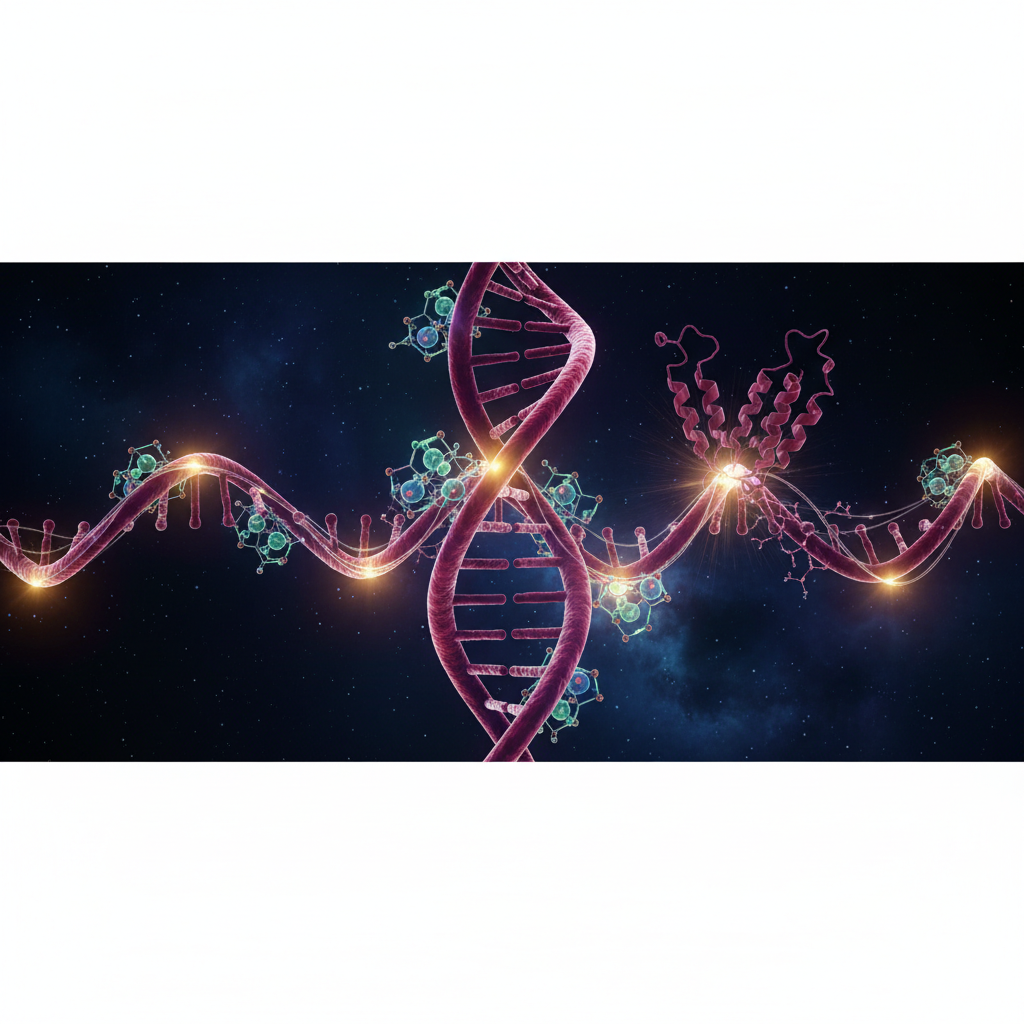
GHK-Cu (glycyl-L-histidyl-L-lysine copper complex) was first identified in human plasma in 1973 by biochemist Loren Pickart, who noted its stimulatory effects on hepatocyte function. Subsequent decades of research revealed that GHK-Cu is not merely a metabolic cofactor but a potent biological signaling molecule with profound effects on gene expression, oxidative stress response, and cellular maintenance systems associated with aging. One of the most striking biological facts about GHK-Cu is its age-related decline: plasma concentrations in young adults (approximately 200 ng/mL) fall significantly with age, dropping to around 80 ng/mL by age 60. This decline tracks inversely with several markers of age-related tissue deterioration, positioning GHK-Cu as a potential longevity-associated peptide whose loss contributes to the biological aging process.
🔬 Key Research Findings
- Bioinformatics analyses by Pickart and colleagues identified GHK-Cu as a modulator of over 4,000 human genes, with particular enrichment in pathways associated with tissue repair, anti-aging, and cancer suppression.
- GHK-Cu has been shown to upregulate superoxide dismutase (SOD) expression and reduce lipid peroxidation in preclinical models, indicating meaningful antioxidant activity at the enzyme-induction level.
- Research links GHK-Cu to FOXO3 pathway activation, a transcription factor strongly associated with longevity in centenarian populations and implicated in stress resistance, autophagy, and DNA repair.
- Plasma GHK-Cu concentrations decline approximately 60% from young adulthood to age 60, correlating with deterioration in tissue repair capacity and other aging biomarkers.
- GHK-Cu has been shown to upregulate several known cancer-suppressor genes while downregulating genes associated with metastasis and inflammatory signaling, suggesting broad gene expression reprogramming effects.
This article examines the research evidence for GHK-Cu’s role in cellular longevity mechanisms, with particular focus on gene expression reprogramming data, FOXO3 pathway interactions, oxidative stress protection, and comparisons with other longevity-focused research compounds including Epithalon and NAD+. All research discussed reflects findings from preclinical cell culture and animal model studies; no clinical conclusions are drawn regarding applications in human aging.
Researchers may also find relevant context in our guide to The Complete Guide to Peptide Stacking: How to Combine Research Peptides for Maximum Results.
GHK-Cu and Gene Expression Reprogramming
Perhaps the most remarkable finding in GHK-Cu longevity research is the sheer breadth of its gene expression effects. In a series of bioinformatics analyses using the Broad Institute’s Connectivity Map (CMAP) dataset, Pickart and colleagues mapped the gene expression signature of GHK-Cu against known patterns of disease, aging, and cellular stress. The results were striking: GHK-Cu’s gene expression profile appeared to reverse several patterns associated with aging and age-related disease.
Specifically, research identified GHK-Cu as a modulator of over 4,000 human genes, with effects enriched in pathways related to ECM remodeling, oxidative stress response, inflammation, and cancer suppression. Among the most striking findings was GHK-Cu’s apparent upregulation of genes known to suppress tumor development — including BRCA1 and BRCA2 (DNA repair genes associated with cancer risk), various tumor suppressor genes, and genes involved in cellular senescence regulation. Simultaneously, GHK-Cu appeared to downregulate genes associated with metastatic behavior, inflammation, and cellular aging signals.
The 2015 BioMed Research International paper by Pickart and colleagues documented GHK-Cu as “a natural modulator of multiple cellular pathways in skin regeneration,” cataloging specific gene targets across several biological systems. This work was followed by the 2017 Brain Sciences paper examining GHK’s effects on gene expression relevant to nervous system function and cognitive decline — extending the longevity research framework from connective tissue into neurobiology.
The consistency of GHK-Cu’s gene expression effects across multiple tissue types and biological contexts suggests the peptide may act as a broad biological “reset” signal — one that counters age-related gene dysregulation across tissues rather than targeting a single pathway. This broad effect likely reflects GHK-Cu’s role as a naturally occurring damage-response signal that the body deploys to coordinate tissue-wide repair across aging or injured systems.
FOXO3 and Longevity Pathways
FOXO3 (Forkhead box O3) is a transcription factor with one of the strongest associations with human longevity identified in population genetics research. FOXO3 variants have been linked to extreme longevity in multiple independent studies across diverse populations, and the pathways it regulates — including autophagy, DNA repair, apoptosis, and stress resistance — represent core mechanisms of cellular maintenance that distinguish long-lived organisms from short-lived ones.
GHK-Cu research has converged with FOXO3 biology through several pathways. FOXO3 is activated by low-insulin/IGF-1 signaling and by oxidative stress through the JNK/MAPK pathway. GHK-Cu’s anti-oxidant and anti-inflammatory effects may reduce the chronic oxidative stress burden that suppresses FOXO3 in aged tissues, allowing increased FOXO3 transcriptional activity.
🧪 Available for Research
Researchers may also find relevant context in our guide to Quality Control in Peptide Research: Interpreting Purity and Lab Tests.
GHK-Cu (Copper Peptide) 50mg is available as a research-grade compound at Spartan Peptides. Each vial is independently HPLC-tested for ≥98% purity
FOXO3a Downstream Cascades: When activated, FOXO3a upregulates multiple cytoprotective gene programs. These include the mitochondrial antioxidant enzyme manganese superoxide dismutase (MnSOD/SOD2), catalase, and various autophagy-initiating genes including LC3 and Beclin-1. Autophagy is the cellular “recycling” process that degrades damaged proteins and organelles — a process that declines with aging and whose impairment is directly linked to the accumulation of cellular damage characteristic of aged tissue.
GHK-Cu’s documented upregulation of SOD (superoxide dismutase) activity in preclinical research represents direct convergence with FOXO3 target gene activity. Whether GHK-Cu activates FOXO3 directly (through receptor-mediated signaling) or indirectly (through the antioxidant environment that enables FOXO3 nuclear retention) is an active research question. The distinction matters for understanding whether GHK-Cu and direct FOXO3 activators would have additive effects in combination study designs.
DNA Damage Response: FOXO3 also participates in DNA damage response signaling, interacting with ATM kinase and p53 to coordinate cell cycle arrest and DNA repair following genotoxic stress. GHK-Cu’s documented upregulation of DNA repair-associated genes (including BRCA-associated pathways in bioinformatics analyses) provides a second mechanistic connection between GHK-Cu activity and FOXO3-mediated repair programs. Understanding whether these represent the same pathway or parallel, reinforcing ones is an important direction for future research.
Oxidative Stress Protection
Oxidative stress — the imbalance between reactive oxygen species (ROS) production and cellular antioxidant defenses — is a primary driver of molecular aging. Mitochondrial ROS produced as byproducts of normal metabolism progressively damage DNA, proteins, and lipids, and this damage accumulates faster than repair mechanisms can compensate for in aged tissues. GHK-Cu’s antioxidant research profile addresses this fundamental longevity mechanism through multiple mechanisms.
Superoxide Dismutase Upregulation: SOD enzymes convert superoxide radicals (O₂⁻) — the most abundant mitochondrial ROS — into hydrogen peroxide, which is then neutralized by catalase or glutathione peroxidase. Upregulating SOD is therefore a primary antioxidant defense strategy. Research has shown that GHK-Cu increases SOD expression in preclinical models, with data from both in vitro cell culture experiments and in vivo rodent studies. A 2012 paper in Oxidative Medicine and Cellular Longevity by Pickart and colleagues specifically examined GHK-Cu’s role in preventing oxidative stress in the context of aging, providing a framework linking these antioxidant effects to longevity biology.
Researchers may also find relevant context in our guide to TB-500 (Thymosin Beta-4): The Complete Research Guide to Recovery and Repair.
Lipid Peroxidation Reduction: Lipid peroxidation — the oxidative degradation of polyunsaturated fatty acids in cell membranes — produces reactive aldehydes (including malondialdehyde and 4-hydroxynonenal) that damage proteins and DNA, contribute to inflammation, and disrupt membrane function. GHK-Cu research has documented reductions in lipid peroxidation biomarkers in treated tissue samples, consistent with meaningful antioxidant activity at the membrane level.
Peroxiredoxin Pathway: Recent research published in Redox Biology (2024) revealed that GHK-Cu’s anti-fibrotic and anti-inflammatory effects in lung tissue models involve targeting peroxiredoxin 6 (PRDX6), a bifunctional enzyme with both peroxidase and phospholipase activities. PRDX6 plays a specific role in lipid peroxidation repair in lung tissue, and GHK-Cu’s interaction with this target suggests a more specific oxidative repair mechanism beyond general antioxidant enzyme upregulation.
Inflammation-Oxidative Stress Crosstalk: Chronic low-grade inflammation (“inflammaging”) generates sustained oxidative stress that accelerates cellular aging. GHK-Cu’s anti-inflammatory effects — including macrophage polarization modulation, NF-κB pathway effects, and cytokine regulation — may reduce the inflammatory component of ROS production, creating a positive feedback loop between anti-inflammatory and antioxidant effects. This positions GHK-Cu’s longevity-relevant activities not as a single isolated mechanism but as a multi-node intervention in the inflammation-oxidative stress axis that drives biological aging.
GHK-Cu vs. Age-Related Decline
The age-related decline in plasma GHK-Cu concentration is one of the most compelling pieces of evidence positioning this peptide as longevity-relevant. Plasma levels in healthy young adults are approximately 200 ng/mL, falling to roughly 80 ng/mL by age 60 — a roughly 60% decline over three to four decades of adult life. This decline mirrors the deterioration in several markers of tissue health and repair capacity that characterize normal aging.
Correlation with Tissue Aging Markers: Research examining the relationship between GHK-Cu plasma levels and tissue aging has noted correlations with skin collagen content (which declines progressively with age), wound healing speed (which slows with age), and markers of chronic inflammation. The directionality of these correlations — lower GHK-Cu associated with worse outcomes — is consistent with GHK-Cu playing a functional role in maintaining tissue homeostasis rather than being merely a biomarker of metabolic activity.
Fibroblast Senescence and ECM Aging: As GHK-Cu levels decline with age, fibroblasts in connective tissue become progressively less responsive to pro-collagen signals. This reduced responsiveness reflects both intrinsic fibroblast changes (shorter telomeres, accumulated epigenetic alterations) and the loss of external signaling that GHK-Cu provides. Research showing GHK-Cu’s ability to stimulate collagen synthesis even in aged fibroblast populations suggests that some of this age-related functional decline may be related to reduced signal availability rather than irreversible cellular damage.
Systemic vs. Local GHK-Cu: The biological question of whether circulating plasma GHK-Cu acts systemically or whether local tissue production (from proteolytic processing of larger proteins) is the primary relevant source is important for interpreting aging research. Evidence suggests both pools exist, with local production in wounded or stressed tissue providing higher concentrations than plasma levels would suggest at specific repair sites.
Additional research context on copper peptides can be found in our guide to GHK-Cu (Copper Peptide) Now Available: What Researchers Need to Know About This Tissue Repair and Anti-Aging Compound.
Research Comparisons: GHK-Cu, Epithalon, and NAD+ in Longevity Models
Longevity research increasingly recognizes that biological aging is multi-mechanistic, with different intervention targets addressing distinct hallmarks of aging. GHK-Cu, Epithalon, and NAD+ each address different nodes in this network, making their comparative and combinatorial study particularly relevant.
GHK-Cu: ECM Signaling and Transcriptional Reprogramming
GHK-Cu’s primary longevity mechanisms operate at the ECM and gene expression levels. It maintains the structural integrity of connective tissue (through collagen synthesis and MMP regulation), reduces oxidative damage (through SOD upregulation and anti-inflammatory effects), and broadly reprograms gene expression toward repair-associated patterns. Its natural occurrence in human plasma and its age-related decline give it particular biological relevance as a longevity-associated molecule.
Epithalon: Telomere Biology and Neuroendocrine Regulation
Epithalon (Epitalon) addresses the cellular replicative machinery through telomere length regulation. The 2025 Biogerontology study demonstrating Epitalon’s ability to increase telomere length in human cell lines through telomerase upregulation represents a direct cellular aging mechanism distinct from GHK-Cu’s ECM and gene expression focus. Additionally, Epithalon’s pineal gland origin connects it to circadian rhythm regulation and neuroendocrine signaling — biological systems that GHK-Cu does not directly address. These mechanistic differences make the two compounds more complementary than redundant in longevity research designs.
NAD+: Cellular Metabolism and Epigenetic Maintenance
NAD+ precursors (NMN, NR) address longevity through mitochondrial bioenergetics and the activation of sirtuin deacetylases. Sirtuins regulate epigenetic marks (histone acetylation patterns) that change with aging, and their activity directly counters some of the epigenetic drift associated with cellular aging. This epigenetic maintenance function is distinct from GHK-Cu’s transcriptional effects, which appear to operate through growth factor receptor signaling and direct gene regulatory interactions rather than through sirtuin-mediated histone modifications.
Taken together, GHK-Cu, Epithalon, and NAD+ represent three distinct but complementary nodes of biological aging intervention: structural ECM maintenance and transcriptional reprogramming (GHK-Cu), telomere length maintenance and neuroendocrine regulation (Epithalon), and metabolic efficiency and epigenetic maintenance (NAD+). Research designs that incorporate all three would test whether addressing multiple aging hallmarks simultaneously produces greater effects than any individual intervention — a key hypothesis in the emerging field of multi-target longevity research.
Frequently Asked Questions
Q: Why do GHK-Cu plasma levels decline with age, and why does this matter for longevity research?
A: GHK-Cu plasma concentrations decline from approximately 200 ng/mL in young adults to about 80 ng/mL by age 60 — a roughly 60% reduction. Research suggests this decline correlates with deterioration in tissue repair capacity, collagen content, and several aging biomarkers. Since GHK-Cu acts as a biological signaling molecule that stimulates collagen synthesis, modulates gene expression, and provides antioxidant protection, its decline may contribute functionally to the aging process rather than merely reflecting it, making it a meaningful longevity-relevant biomarker and research target.
Q: What is the connection between GHK-Cu and FOXO3 in longevity research?
A: FOXO3 is a transcription factor strongly associated with human longevity in population genetics studies. GHK-Cu research shows convergence with FOXO3 biology through antioxidant pathways: GHK-Cu upregulates superoxide dismutase (SOD), a key FOXO3 target gene, and its anti-inflammatory effects may reduce the oxidative burden that suppresses FOXO3 nuclear activity in aged tissue. Whether GHK-Cu activates FOXO3 directly or through the oxidative environment it modulates is an active research question.
Researchers may also find relevant context in our guide to The Wolverine Stack: BPC-157 and TB-500 Combined Research Protocol.
Q: How does GHK-Cu’s gene expression reprogramming research compare to other longevity interventions?
A: Bioinformatics analyses identified GHK-Cu as a modulator of over 4,000 human genes, with particular enrichment in repair, anti-aging, and cancer suppression pathways. This breadth distinguishes GHK-Cu from more targeted longevity interventions like NAD+ precursors (which primarily act through sirtuin and PARP pathways) or Epithalon (which focuses on telomere biology). GHK-Cu’s broad transcriptional effects may address multiple aging mechanisms simultaneously, though the depth of effect on any individual pathway may be less pronounced than a highly targeted intervention.
Q: What is the research evidence for GHK-Cu’s antioxidant activity?
A: Research has documented GHK-Cu’s antioxidant effects through multiple mechanisms: upregulation of superoxide dismutase expression in preclinical models, reduction of lipid peroxidation biomarkers in treated tissue, and interactions with peroxiredoxin 6 in lung tissue models (2024 study in Redox Biology). The 2012 Oxidative Medicine and Cellular Longevity paper by Pickart and colleagues specifically frames GHK-Cu’s oxidative stress protection in the context of aging biology, providing a direct link between these antioxidant mechanisms and longevity-relevant research.
Q: How does GHK-Cu compare to Epithalon as a longevity research compound?
A: The two compounds address distinct longevity mechanisms. GHK-Cu primarily acts on ECM integrity, collagen synthesis, MMP regulation, gene expression reprogramming, and antioxidant defense. Epithalon’s primary research profile involves telomere length maintenance through telomerase upregulation (demonstrated in a 2025 Biogerontology study) and neuroendocrine regulation. These mechanistic differences suggest they are more complementary than redundant — addressing cellular replicative aging (Epithalon) and structural/oxidative aging (GHK-Cu) through different biological nodes.
Research Disclaimer: The information presented in this article is intended for educational and research purposes only. Peptide compounds discussed on this page are intended for use in licensed laboratory and research settings by qualified professionals. They are not approved for human consumption, are not dietary supplements, and are not intended to diagnose, treat, cure, or prevent any disease or medical condition. All research involving these compounds must be conducted in compliance with applicable laws, regulations, and institutional guidelines. Spartan Peptides makes no claims regarding the safety or efficacy of these compounds in humans.
References
PubMed Citations:
- Pickart L, Vasquez-Soltero JM, Margolina A. “The Effect of the Human Peptide GHK on Gene Expression Relevant to Nervous System Function and Cognitive Decline.” Brain Sciences. 2017. PMID: 28212278
- Pickart L, Vasquez-Soltero JM, Margolina A. “GHK Peptide as a Natural Modulator of Multiple Cellular Pathways in Skin Regeneration.” BioMed Research International. 2015. PMID: 26236730
- Pickart L, Vasquez-Soltero JM, Margolina A. “The human tripeptide GHK-Cu in prevention of oxidative stress and degenerative conditions of aging: implications for cognitive health.” Oxidative Medicine and Cellular Longevity. 2012. PMID: 22666519
- Ma WH, Li M, Ma HF, et al. “Protective effects of GHK-Cu in bleomycin-induced pulmonary fibrosis via anti-oxidative stress and anti-inflammation pathways.” Life Sciences. 2020. PMID: 31809714
- Bian Y, Deng M, Liu J, et al. “The glycyl-l-histidyl-l-lysine-Cu(2+) tripeptide complex attenuates lung inflammation and fibrosis in silicosis by targeting peroxiredoxin 6.” Redox Biology. 2024. PMID: 38879894
- Mayfield CK, Bolia IK, Feingold CL, Lin EH et al. “Injectable Peptide Therapy: A Primer for Orthopaedic and Sports Medicine Physicians.” The American Journal of Sports Medicine. 2026. PMID: 41476424
Written by the Spartan Research Team
The Spartan Peptides Research Team consists of scientists, biochemists, and health researchers dedicated to providing accurate, evidence-based information about peptide research. Our content is reviewed for scientific accuracy and updated regularly to reflect the latest findings in peptide science.