
Tesamorelin Research Guide: GHRH Analog and GH Pulse Stimulation

Written bySpartan Research Team

Tesamorelin is a synthetic GHRH analogue consisting of the complete 44-amino acid sequence of endogenous GHRH (growth hormone-releasing hormone) with a trans-3-hexenoic acid group added to the N-terminus. That structural modification is the key to understanding Tesamorelin’s place in GH axis research: it dramatically extends the peptide’s half-life compared to native GHRH, which is cleaved by dipeptidyl peptidase IV within minutes of administration. Tesamorelin’s extended stability allows sustained GHRH receptor stimulation that endogenous GHRH doesn’t provide under physiological conditions. That property has made it one of the more rigorously studied GHRH analogues, with a substantial clinical trial dataset backing its preclinical research profile.
- Falutz et al. (2007) in the pivotal Phase III trial demonstrated that Tesamorelin significantly reduced trunk fat (visceral adipose tissue) in HIV-infected adults with lipodystrophy, with GH and IGF-1 normalization achieved without worsening glucose tolerance or producing diabetes risk signals (PMID 18063572).
- Tesamorelin preserves physiological GH pulsatility by stimulating endogenous GH release rather than replacing GH directly, maintaining the natural pulse frequency that regulates downstream tissue responses differently from continuous GH infusion models.
- Clemmons et al. documented Tesamorelin’s effects on GH pulse amplitude and IGF-1 normalization in GH-deficient models, showing dose-dependent restoration of GH secretory dynamics without suppressing the hypothalamic-pituitary feedback axis (PMID 21253978).
GHRH Receptor Biology and Tesamorelin’s Binding Profile
GHRH receptors are G-protein coupled receptors expressed primarily on somatotroph cells of the anterior pituitary. When GHRH binds, it activates Gsalpha, increasing intracellular cAMP and activating protein kinase A, which triggers GH gene transcription and the secretory pulse. Somatotrophs also have a positive feedback role: GHRH receptor stimulation promotes somatotroph proliferation over long treatment periods in some models, which has implications for sustained GH axis studies.
Tesamorelin’s N-terminal trans-3-hexenoic acid modification doesn’t change its GHRH receptor binding profile significantly: the compound binds with affinity comparable to native GHRH and activates the same Gsalpha-cAMP pathway. What it changes is the kinetic stability. Where native GHRH is cleaved at the His2-Ala3 bond by DPP-IV within 2-3 minutes after administration, Tesamorelin’s modified N-terminus blocks this cleavage site. The result is a compound with substantially longer biological activity, estimated at 30-60 minutes in vivo versus the few-minute window of native GHRH.
Tesamorelin is available from Spartan Peptides for GHRH analog and visceral fat metabolism research. View product details.
GH Pulse Stimulation: Physiological vs. Exogenous GH
One of the most important distinctions in GH axis research is between compounds that stimulate endogenous pulsatile GH secretion (GHRH analogues and GH secretagogues) versus compounds that directly replace GH (recombinant hGH). Tesamorelin falls firmly in the first category. It doesn’t introduce exogenous GH protein; it tells the pituitary to make and release more of its own GH in pulses.
That distinction has downstream consequences. Endogenous GH release through pulsatile stimulation maintains the normal feedback relationships: when GH levels rise, somatostatin secretion increases to dampen further release, and IGF-1 rises to exert negative feedback at the pituitary and hypothalamic level. This self-regulating system means Tesamorelin-stimulated GH release stays within biologically governed boundaries. Exogenous GH administration bypasses this regulation entirely.
In research terms, this makes Tesamorelin more useful for studying GH axis physiology under conditions closer to normal biology, while recombinant GH is better for studying supraphysiological GH effects. Neither is universally superior; the choice depends on the research question.
Visceral Fat Research: The Phase III Data
Tesamorelin’s most rigorous clinical evidence comes from studies in HIV-associated lipodystrophy, a condition characterized by accumulation of visceral adipose tissue as a side effect of antiretroviral therapy. This isn’t the typical preclinical research context, but the controlled trial data provide some of the cleanest evidence available for a GHRH analogue’s effects on visceral fat.
Falutz et al. (2007, PMID 18063572) published the pivotal Phase III results. In a randomized, double-blind, placebo-controlled trial of 412 HIV-infected adults with abdominal fat accumulation, daily Tesamorelin administration for 26 weeks produced a mean 15% reduction in trunk fat (measured by CT scan) compared to no significant change in the placebo group. IGF-1 levels normalized in the treatment group. Notably, glucose tolerance didn’t worsen in the Tesamorelin group despite the GH increase, which distinguishes this profile from supraphysiological GH administration, which is known to cause insulin resistance.
The visceral fat specificity is worth noting. Tesamorelin reduced visceral and trunk fat more selectively than subcutaneous fat in these studies, which aligns with the established biology: visceral adipocytes are more responsive to GH-induced lipolysis than subcutaneous adipocytes due to higher GH receptor density and more active lipase activity.
Tesamorelin vs. CJC-1295 in GH Research
CJC-1295 is another GHRH analogue that researchers commonly use for GH axis stimulation studies. The key mechanistic difference is that CJC-1295 (with DAC, the Drug Affinity Complex modification) has an albumin-binding property that extends its half-life to several days, creating a sustained GHRH signal rather than a pulsatile one. Tesamorelin’s half-life, while longer than native GHRH, still produces more acute GH pulses when administered once daily compared to CJC-1295’s tonic elevation.
This pharmacokinetic difference creates genuinely different research tools. For studies requiring pulsatile GH dynamics similar to physiological patterns, Tesamorelin is more appropriate. For studies examining sustained GHRH receptor stimulation effects on somatotroph biology or long-term IGF-1 elevation, CJC-1295 DAC has different utility. Researchers at Spartan Peptides can access both Tesamorelin and CJC-1295 blend for comparative study designs.
Metabolic Syndrome and Insulin Sensitivity Research
Clemmons et al. (2011, PMID 21253978) published extended analysis of Tesamorelin’s metabolic effects beyond visceral fat. The data showed that improvements in visceral fat were accompanied by changes in triglyceride levels and inflammatory markers (including CRP and IL-6) in treated subjects. Glucose homeostasis parameters, including HbA1c and fasting glucose, remained stable or showed modest improvements in non-diabetic participants. This profile, fat reduction plus metabolic marker improvement without glucose dysregulation, is important for metabolic syndrome research where multiple endpoints need to be tracked simultaneously.
The insulin sensitivity picture with GH axis stimulation is complicated. GH itself reduces insulin sensitivity acutely by competing with insulin signaling in muscle and fat. But in the visceral fat context, reducing visceral fat mass also improves insulin sensitivity through reduced visceral adipokine output and reduced portal free fatty acid flux. Tesamorelin’s data suggest the two effects roughly balance in the studied populations, with no net glucose worsening. That’s a more favorable profile than exogenous GH, which consistently worsens insulin sensitivity in most study contexts.
Receptor Binding Kinetics and Pharmacodynamic Profile
The GHRH receptor (GHRHR) is a class B G-protein coupled receptor with a large extracellular N-terminal domain that mediates ligand binding. Tesamorelin engages this domain with affinity comparable to native GHRH, in the low nanomolar range based on published binding assays. The receptor activation triggers Gs alpha coupling, increases intracellular cyclic AMP, activates protein kinase A, and drives transcription of the GH gene through the CREB and Pit-1 transcription factors.
The pharmacodynamic profile of Tesamorelin in research models differs from native GHRH in a specific way: the GH secretory pulse triggered by Tesamorelin is broader and somewhat delayed compared to the sharp native GHRH pulse. This is a kinetic consequence of the slower clearance. Native GHRH at the pituitary triggers a fast spike of GH release followed by rapid termination as the ligand is cleared. Tesamorelin produces a more sustained GH elevation across approximately 30 to 60 minutes per administration, then tapers as the modified peptide is eventually cleared by mechanisms other than DPP-IV cleavage.
This broader pulse shape has research consequences. Researchers studying GH receptor desensitization or feedback dynamics see different kinetics with Tesamorelin compared to GHRH. The somatostatinergic feedback loop that normally terminates the GH pulse engages later and at a different intensity. For studies of GH pulse architecture itself, native GHRH or its short-acting analogues remain more appropriate. For studies where sustained GH elevation is the goal, Tesamorelin provides a cleaner research tool than repeated GHRH dosing.
GHRH Receptor Expression Beyond the Pituitary
While the pituitary somatotroph is the classical GHRH receptor expressing cell, research has documented GHRHR expression in additional tissues. These extra-pituitary GHRHR sites have implications for Tesamorelin research extending beyond GH stimulation effects.
Adipose tissue expresses GHRHR at lower density than the pituitary but at functionally relevant levels. Direct GHRHR activation in adipocytes has been examined as a mechanism contributing to the visceral fat reduction documented in Tesamorelin clinical research. The receptor coupling in adipocytes drives cAMP elevation and hormone-sensitive lipase activation, which together promote lipolysis. This means Tesamorelin may have direct adipose effects independent of its GH-mediated effects.
Cardiac tissue expresses GHRHR as well, and research has examined GHRH analog effects on cardiomyocyte function and post-infarct remodeling in preclinical models. The direct cardiac effects appear to involve survival signaling through PI3K and ERK pathways downstream of GHRHR activation, separate from the systemic GH and IGF-1 elevation that GHRH analogs produce.
Pancreatic islet cells express GHRHR, with research suggesting direct effects on insulin secretion dynamics. The complex relationship between Tesamorelin, GH, IGF-1, and glucose homeostasis observed in clinical trials may partly reflect these direct GHRHR effects on islet biology, not just the indirect effects through systemic GH and IGF-1.
Visceral Fat Biology and the GH-Adipose Axis
The visceral fat reduction documented in Tesamorelin research is mechanistically grounded in the differential responsiveness of adipose depots to GH signaling. Understanding why visceral fat responds preferentially to GH-axis stimulation is foundational to interpreting Tesamorelin’s research applications.
Visceral adipocytes express GH receptor at higher density than subcutaneous adipocytes. They also have higher activity of hormone-sensitive lipase and adipose triglyceride lipase, the enzymes that hydrolyze stored triglycerides into free fatty acids for release. Visceral adipocytes are also more responsive to beta-adrenergic stimulation and less responsive to insulin’s anti-lipolytic effects than subcutaneous adipocytes. The net result: visceral fat is more metabolically labile, more responsive to lipolytic stimuli, and more readily mobilized under conditions of elevated GH signaling.
Subcutaneous adipocytes, particularly in the gluteal-femoral region, have the opposite profile: high insulin sensitivity, low lipolytic responsiveness, and a phenotype more aligned with long-term lipid storage. This is why interventions like Tesamorelin that elevate GH signaling produce preferential visceral fat loss, while gross weight loss or caloric restriction tends to affect both depots more uniformly.
The visceral fat specificity has research relevance beyond aesthetics. Visceral fat is the metabolically active depot most associated with insulin resistance, hepatic steatosis, and cardiovascular risk through portal free fatty acid flux to the liver. Research examining whether selective visceral fat reduction translates to improved metabolic markers has been a sustained focus in the Tesamorelin literature.
Tesamorelin in Cognitive and Neurodegenerative Research
Beyond the metabolic and lipodystrophy contexts where Tesamorelin has its most rigorous clinical data, research has examined applications in cognitive function and neurodegenerative biology. The basis for this research is the GH-IGF-1 axis role in central nervous system biology.
Baker et al. published research examining Tesamorelin effects on cognitive function in adults with mild cognitive impairment and early Alzheimer’s pathology. The published data showed measurable improvements in executive function measures and modest changes in cerebrospinal fluid biomarkers in some treatment arms. The mechanistic interpretation involves GH and IGF-1 effects on neuronal energy metabolism, synaptic function, and possibly amyloid clearance, though the relationships remain under active investigation.
The cognitive research context is distinct from the lipodystrophy clinical work. Where the lipodystrophy trials focused on body composition endpoints, the cognitive studies examined neurocognitive testing batteries and CSF biomarkers. The same compound used for different research questions has produced different evidence quality in each domain.
For researchers building cognitive aging research workflows, Tesamorelin sits in a different category from compounds like Semax or Pinealon that act directly on neuronal targets. Tesamorelin works through the GH-IGF-1 axis with downstream CNS effects. Combination research designs occasionally use Tesamorelin alongside more direct neurotropic compounds in cognitive research stacks, though the foundational mechanism is the GH axis rather than direct CNS receptor engagement.
Comparison With Other GHRH Analogues and GH Secretagogues
Tesamorelin occupies a specific niche in the GH-axis research tool space. Comparing it across the GHRH analog and GH secretagogue classes clarifies where it fits.
Sermorelin is the first GHRH analog developed for research and clinical use, consisting of the first 29 amino acids of GHRH (GRF 1-29). Sermorelin’s half-life is approximately 10 minutes, longer than native GHRH but much shorter than Tesamorelin. Sermorelin research has examined GH axis biology with a more pulsatile signal than Tesamorelin provides. The two compounds are mechanistically identical but kinetically distinct.
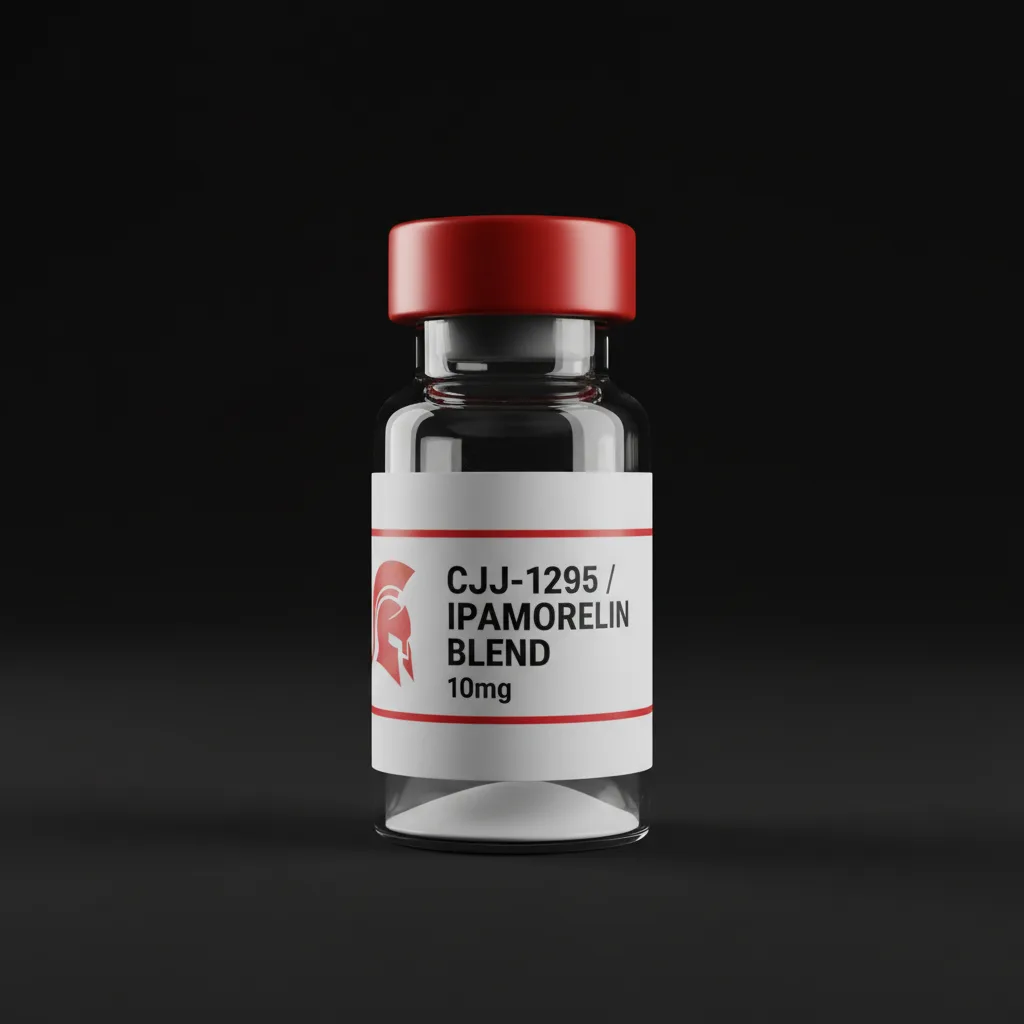
CJC-1295 with DAC uses a different extension strategy: a maleimidopropionyl group that covalently binds albumin, dramatically extending half-life to days. The result is sustained GHRH receptor stimulation and tonic IGF-1 elevation. This produces a fundamentally different research profile from Tesamorelin’s daily pulse model. CJC-1295/Ipamorelin blend combines CJC with the ghrelin mimetic Ipamorelin for dual-mechanism research.
Ipamorelin and other ghrelin mimetics work through the GHSR-1a receptor rather than GHRHR. The two receptors converge on GH release but through different intracellular signaling cascades. Ghrelin mimetics are not GHRH analogues at all; they are a distinct compound class that triggers GH release through the secondary GH-releasing pathway. Research combining a GHRH analog like Tesamorelin with a ghrelin mimetic like Ipamorelin examines the synergistic effects of dual-mechanism GH stimulation.
Hexarelin and other GHRP family compounds are also ghrelin mimetics, generally with greater GH release potency than Ipamorelin but additional effects on cortisol and prolactin that complicate research interpretation. For research designs requiring clean GH stimulation, Ipamorelin or Tesamorelin are typically preferred over the older GHRP compounds.
Pre-bundled GH axis research stacks available from Spartan include the Spartan Strong Stack which pairs CJC-1295 with Tesamorelin for dual-kinetic GHRH coverage (sustained plus pulsatile). This combination represents one approach to comprehensive GHRH research.
Research Storage Stability and Reconstitution Protocols
Tesamorelin is a 44-amino acid peptide with the N-terminal trans-3-hexenoic acid modification. Its storage and handling requirements reflect both the peptide backbone stability and the specific chemistry of the N-terminal modification.
Lyophilized Tesamorelin is stable at -20 degrees Celsius for extended periods, with research-grade purity maintained over 12 to 24 months under proper storage conditions. Long-term storage at -80 degrees Celsius is preferred for multi-year stability. Lyophilized vials should be brought to room temperature in their sealed containers before opening to prevent moisture condensation that accelerates degradation.
Reconstitution practices for Tesamorelin are similar to other research peptides: bacteriostatic water containing 0.9 percent benzyl alcohol is the standard reconstitution medium for in vitro research. The reconstituted solution should be stored at 2 to 8 degrees Celsius and used within 14 days. Tesamorelin does not appear to have the aggregation tendency that complicates IGF-1 analog research, but freeze-thaw cycles of reconstituted material should be avoided to maintain biological activity.
For multi-day research protocols, aliquoting the reconstituted Tesamorelin into single-use volumes at initial reconstitution is the standard practice. This minimizes handling and prevents repeated temperature cycling of the bulk solution.
Tesamorelin Research Applications Beyond Visceral Fat
The clinical evidence base for Tesamorelin is concentrated in HIV-associated lipodystrophy, but research applications extend well beyond that single indication.
Hepatic steatosis research has examined Tesamorelin effects on liver fat content. Stanley et al. published findings showing reduction in hepatic fat in HIV-associated NAFLD patients treated with Tesamorelin, with mechanism likely involving the same GH-mediated lipolysis pathway that drives visceral fat reduction, but applied to hepatic triglyceride stores. The published data inform research designs in broader NAFLD contexts beyond the HIV population.
Muscle research examining Tesamorelin and GH-axis stimulation effects on lean mass has been conducted in multiple populations. The GH-IGF-1 axis is anabolic for skeletal muscle, and Tesamorelin produces small but measurable increases in lean tissue mass in published trial data, separate from the visceral fat reduction. Research designs studying sarcopenia or muscle preservation in catabolic conditions have considered Tesamorelin as a research tool.
Bone density research has examined GH-axis effects on bone turnover and density. The published data on Tesamorelin effects on bone are less developed than the body composition data, but the mechanistic basis (GH and IGF-1 effects on osteoblast function and bone remodeling) is well established and provides framework for ongoing research.
Recovery and tissue repair research sometimes combines Tesamorelin with direct tissue repair compounds. The Comprehensive Recovery Research Protocol covers the angiogenesis and ECM remodeling axes through BPC-157, TB-500, and GHK-Cu. Adding Tesamorelin separately provides the GH-IGF-1 anabolic dimension that supports protein synthesis during recovery research designs.
Safety and Endocrine Considerations in Tesamorelin Research
Research-grade Tesamorelin in laboratory use does not involve human subjects, so the safety considerations relate to preclinical model selection and endocrine system effects to monitor in animal research.
Glucose tolerance monitoring is standard in animal research protocols using Tesamorelin or other GH-axis compounds. While the clinical evidence base suggests Tesamorelin does not produce the insulin resistance that recombinant GH characteristically causes, animal research designs still need to monitor glucose handling because the model-to-model variation can be significant. Hba1c, fasting glucose, and OGTT measurements at baseline and at protocol endpoints are typical research design elements.
IGF-1 monitoring tracks the downstream effect of GH-axis stimulation. Tesamorelin should produce measurable IGF-1 elevation in research models, and the magnitude of that elevation is informative about adequacy of dosing and biological response. Models showing IGF-1 elevation without behavioral or biochemical evidence of GH effect may indicate measurement issues rather than biological inactivity.
Pituitary feedback assessment using LH, FSH, TSH, and ACTH measurements is sometimes incorporated into research designs examining whether sustained GHRH stimulation affects other pituitary axes. The published data suggest Tesamorelin’s effects are largely specific to the GH axis without significant cross-axis effects, but research designs may want to confirm this in specific model systems.
For comprehensive GH axis research workflows, combining Tesamorelin with monitoring of GH pulse amplitude (via blood sampling every 15 to 30 minutes during a pulse window), 24-hour IGF-1, and the metabolic endpoints captures the full pharmacodynamic profile rather than just downstream outcomes.
Research Availability and Notes
- Product: Spartan Peptides offers Tesamorelin at HPLC–verified purity for in vitro and preclinical research use.
- Related GH axis tools: CJC-1295/Ipamorelin blend (GHRH plus GHSR-1a dual stimulation), CJC-1295 + Tesamorelin blend, and standalone Ipamorelin are available for researchers studying different aspects of GH axis regulation.
- Handling: Lyophilized peptide, reconstitute with bacteriostatic water for in vitro use. See the reconstitution guide for protocol details.
Frequently Asked Questions
Related Research Reading
Written by the Spartan Research Team
Our team of peptide researchers and biochemists reviews every article for scientific accuracy. Learn more about our team →